multiple leaders taking on the backbone of a 50-person staff. It is hectic at times, but they are my family. From managing productivity to diffusing staff disputes, being a leader is a push-pull game about people. Sympathy and accountability are two sides of the same coin. Leadership means pushing people in the right direction through mentorship and upholding clear standards, but pulling back enough to remain human first.
After a year as one of the two website editors-in-chief, my adviser asked me to step into a role overseeing not one publication, but all of them. As the Student Media executive editor, I would be a second adviser — overseeing the yearbook, news website, commercial photography, radio station and literary magazine, which all fall under our umbrella.
This forced me to change my workflow. What I’ve learned more than anything this year is: Being a good leader means making tough decisions, leading by example and often personal sacrifice.
Publication output came easily for me, journalism is my love, but by the second month of school I knew I would have to slow down on my own work. The adviser and I both recognized after that second month that our staff was too fresh both in maturity and skills, and problems we couldn't have anticipated popped up all over the place.
This taught me a good leader will balance both their work and leadership. When I only focused on my own production, the rest of staff suffered, so I took a little more time to organize more meetings, lessons and projects.
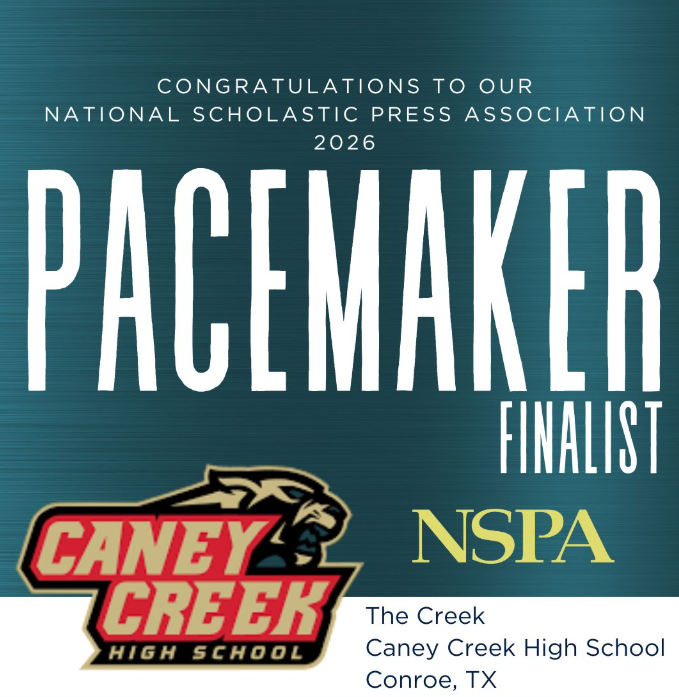
Recognition: NSPA Leadership in Student Journalism
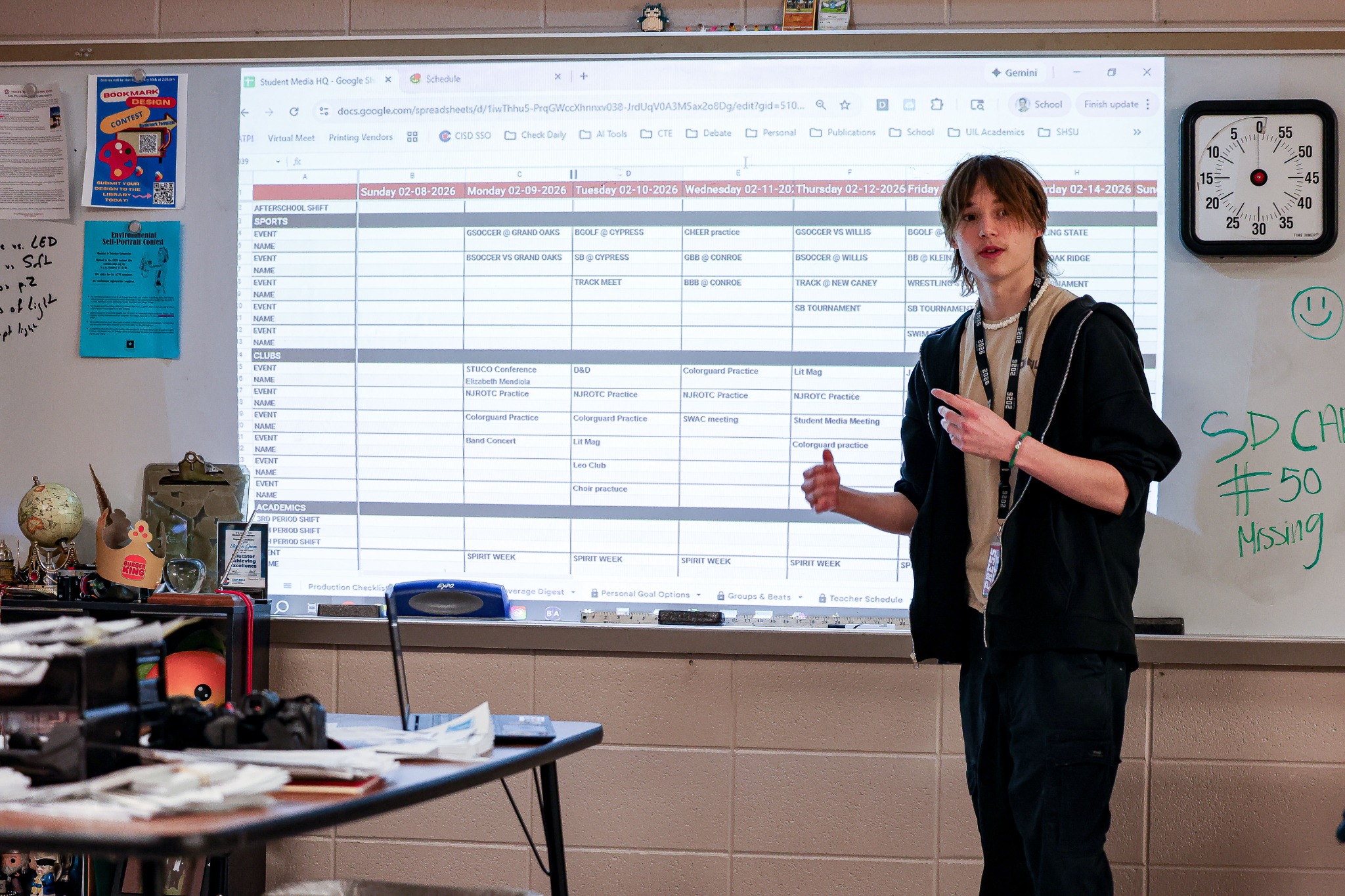
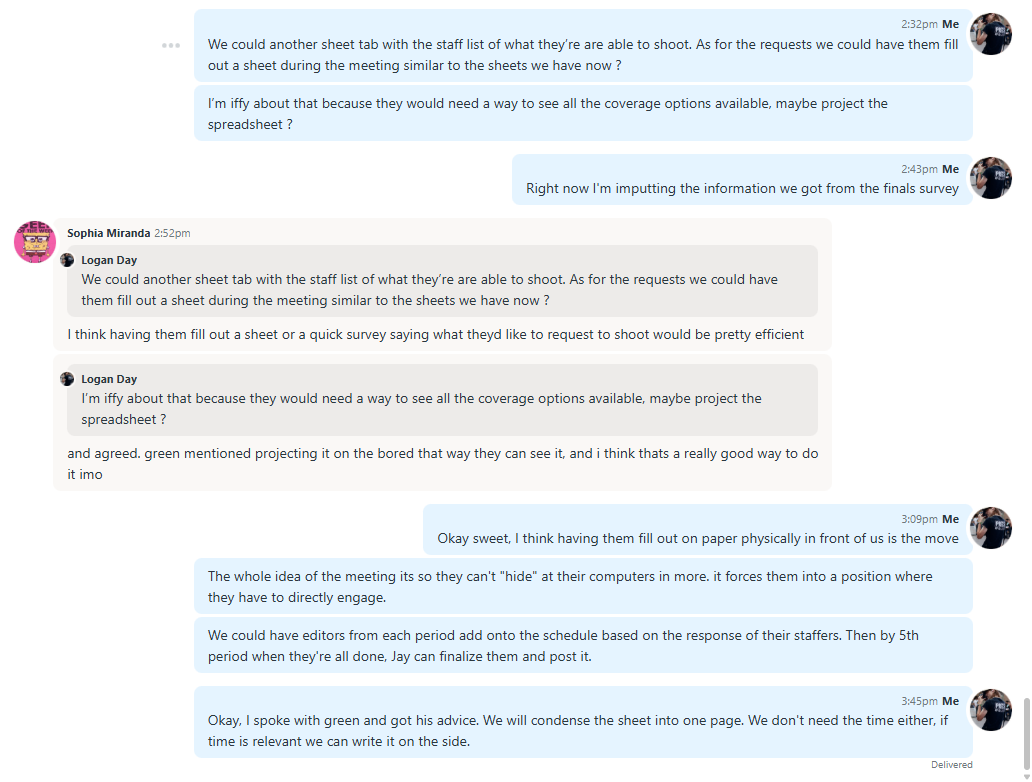
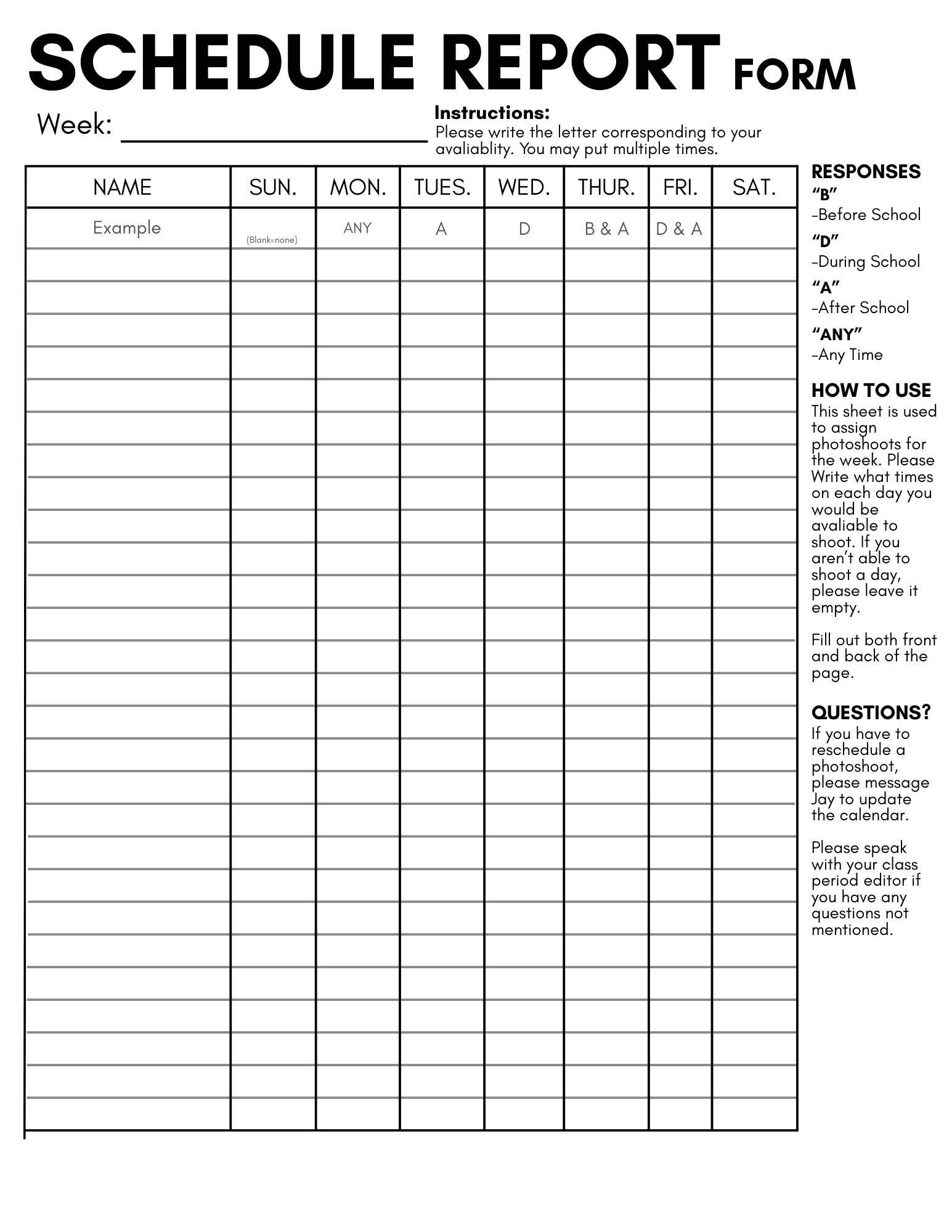
My advisor and I agreed to introduce weekly meetings in place of our original reporting beats in response to our young staff. Meetings arrange all events, coverage, planning and scheduling for all journalists.
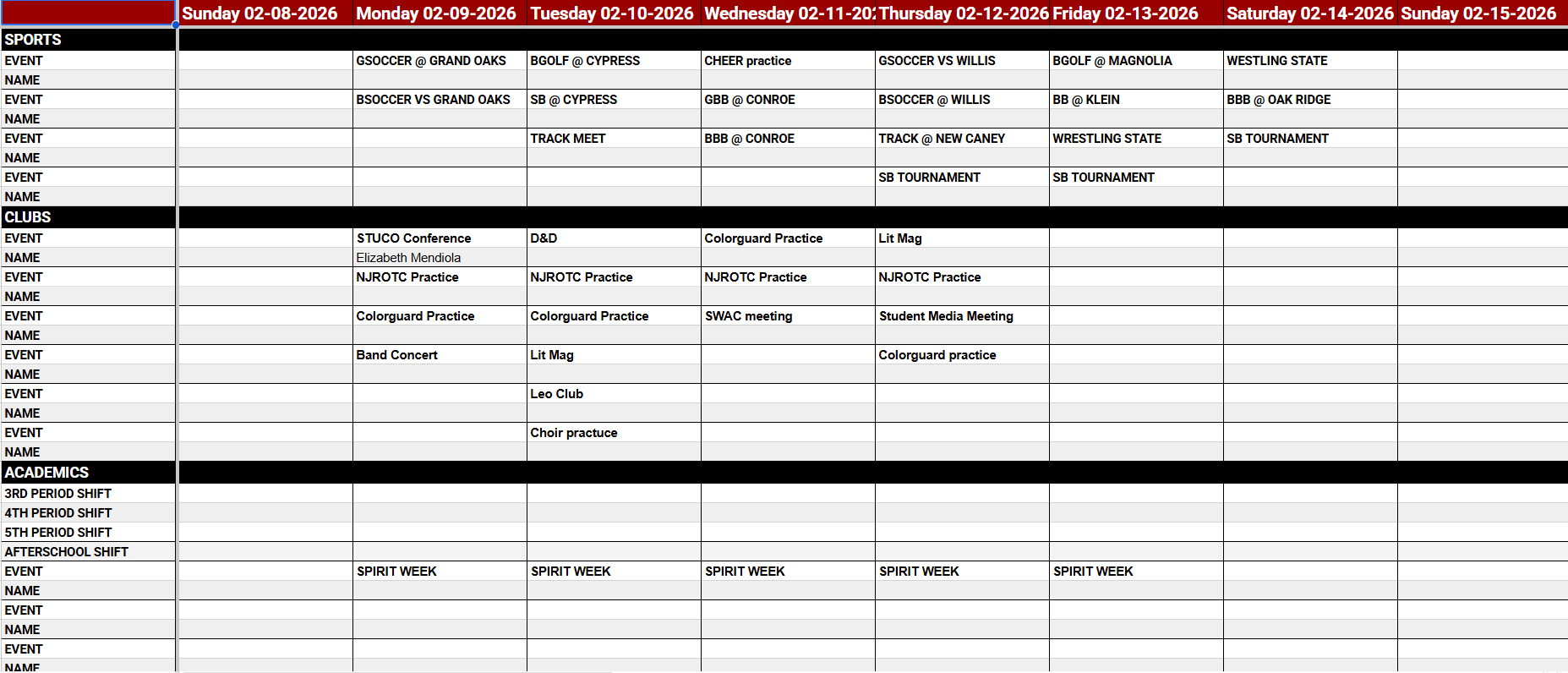
I designed the back end, making the spreadsheets (as I tend to do) and worksheets behind our meetings.
Hashing out a list of all the events on campus provided a way for editors to ensure that staff covered every event happening and exposed the young staffers to the type of complete coverage we look for in a hands-on meeting environment.
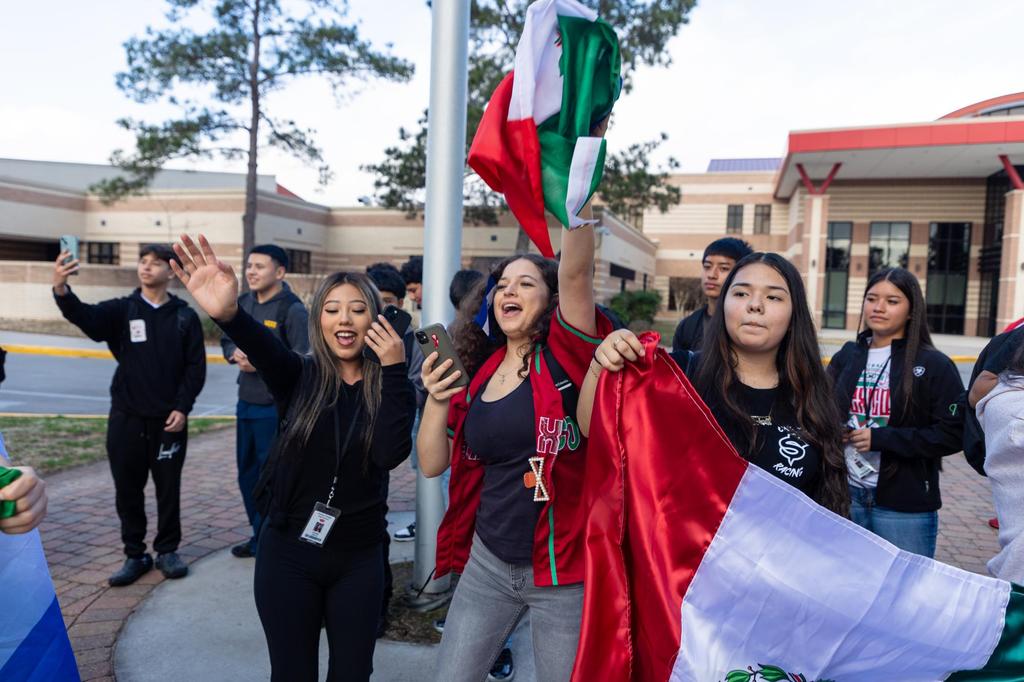
This story taught the value of thought-out-coordination and cooperation of fast-paced news. A student tipped me off about the protest a day before it happened, so that same afternoon I selected two photographers and one reporter to prepare.
As they gathered content, I wrote the story live from the newsroom. When the walkout began, I hopped on the phone with my reporter and fed him interview questions as I wrote. Within two hours of the walk out, we had published a full gallery and article detailing why the protest happened and what it meant.
Because of our quick coverage, our community flocked to our site for information.
Recognition: Best of SNO; 2025 ILPC First place online IAA news & Top in Texas
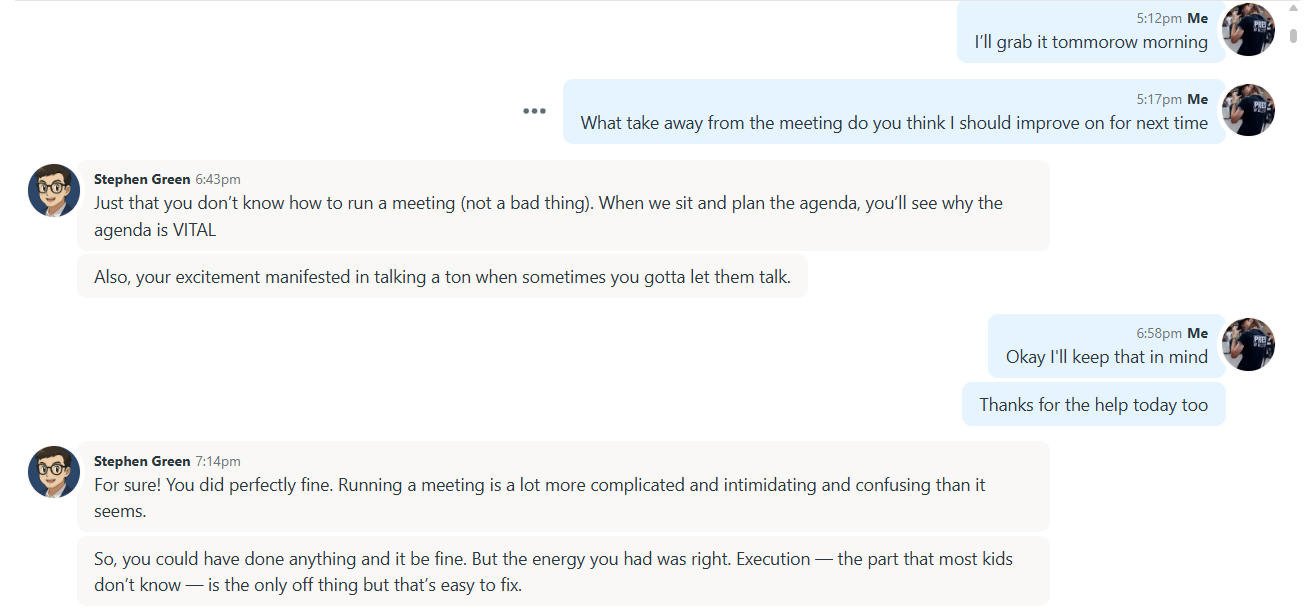
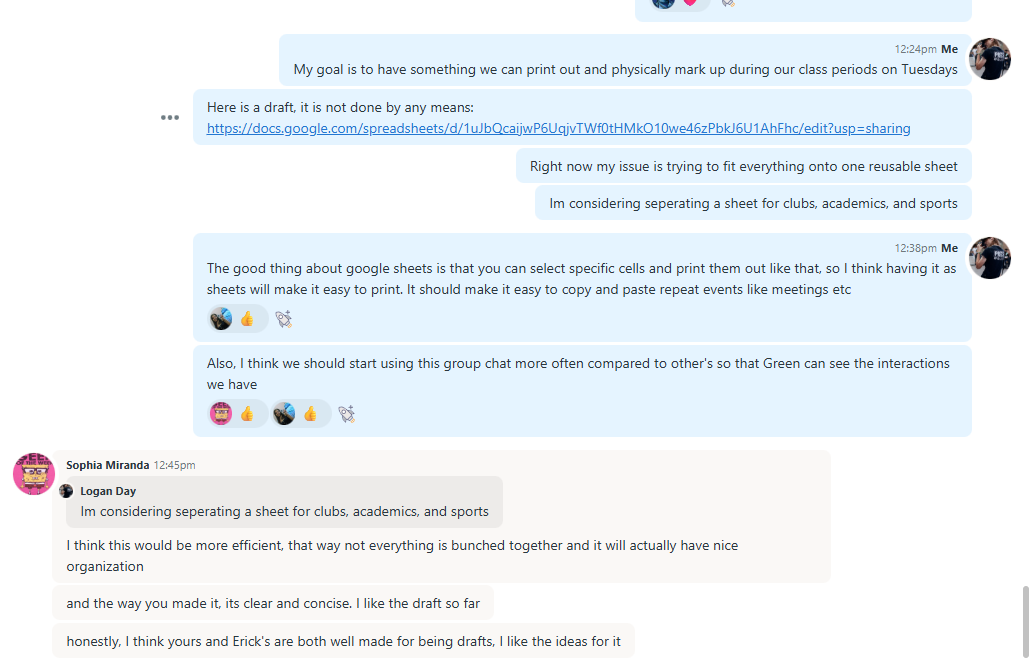
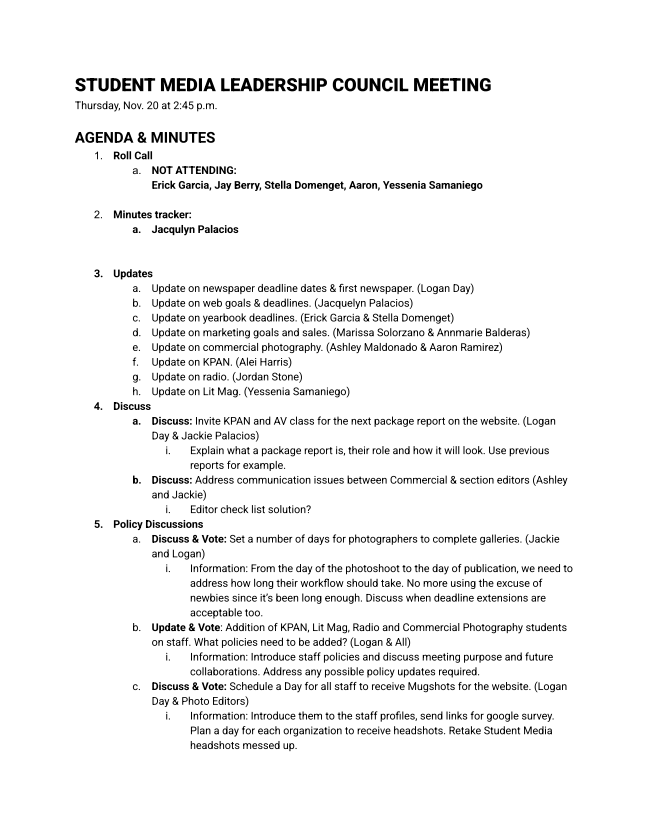
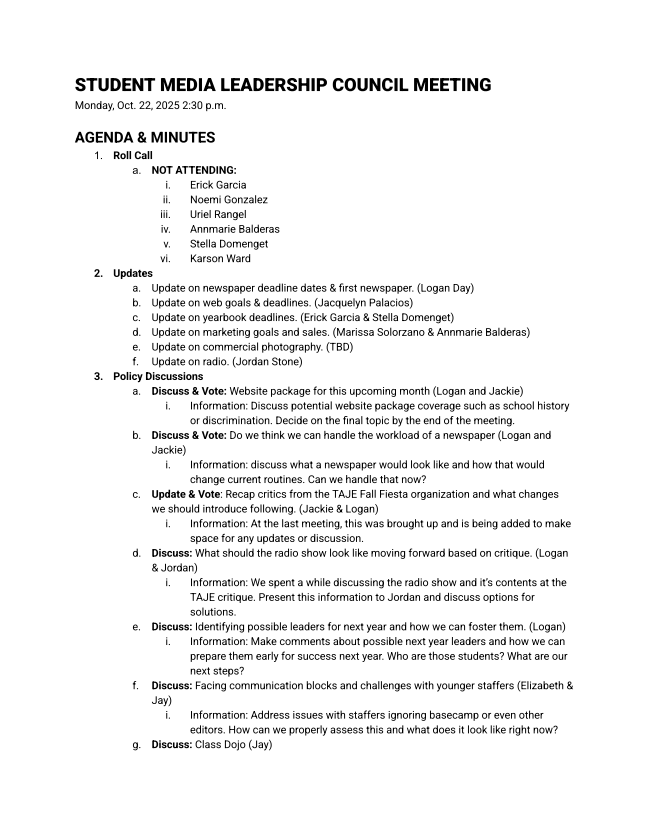
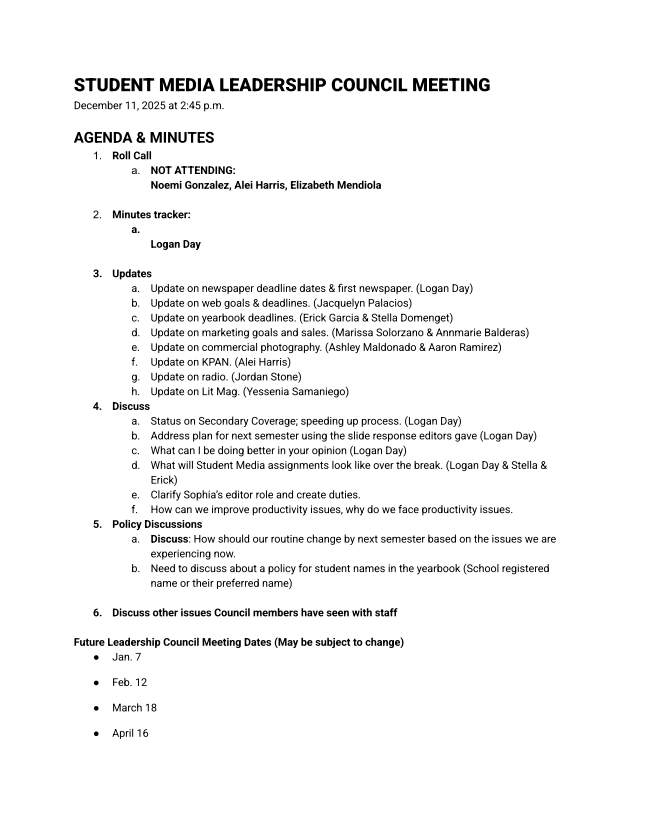
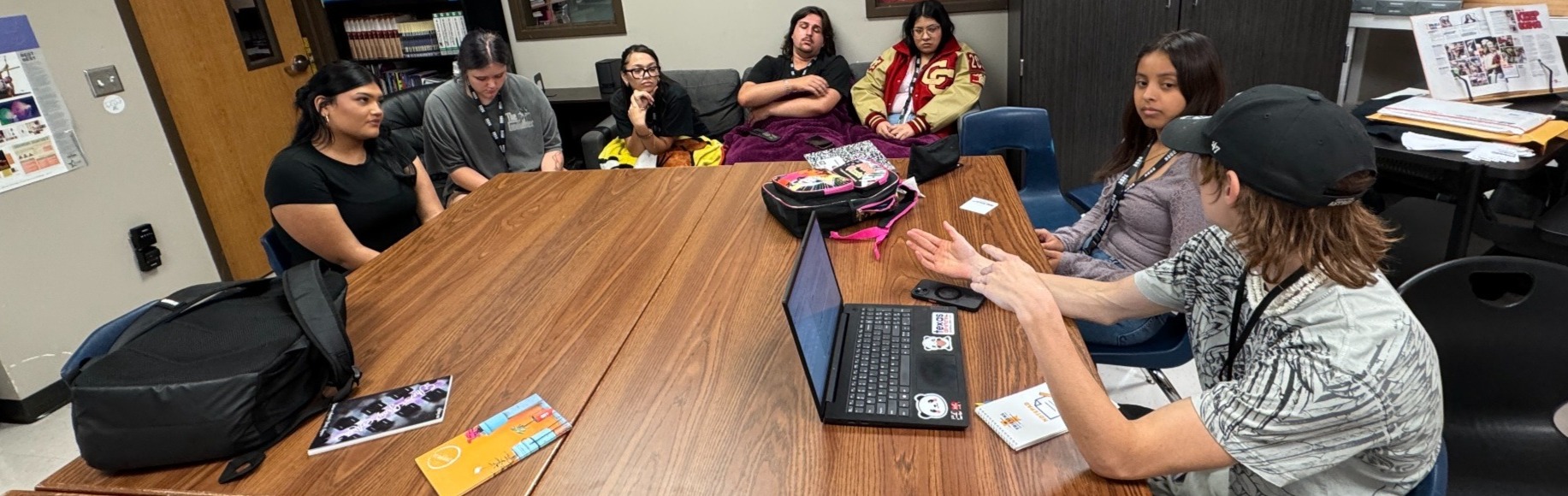
Ever since I joined, Student Media held monthly editorial leadership meetings to organize publication scheduling, discuss policy updates and vote on organization. When I assumed the executive editor position in 2025, I took charge of crafting that monthly agenda.
Throughout the week I listen for issues and complaints within my staff, adding to that month’s agenda as I go.
In September, I invited representatives from media publications outside of Student Media such as the editors from the audio class, commercial photography class, literary magazine and broadcast class.
This marked the first time all publications in my school united and, since then, they attend the monthly meetings, too.
In the first (Leadership Council) meetings, Logan was like 'OK, they're newbies. We have to understand and we have to teach them our skills, teach them media like all of us.' I liked that more than last year.
Copy editing is my second language. My staff follows an assembly line of editing from the section editor, website editor-in-chief then me.
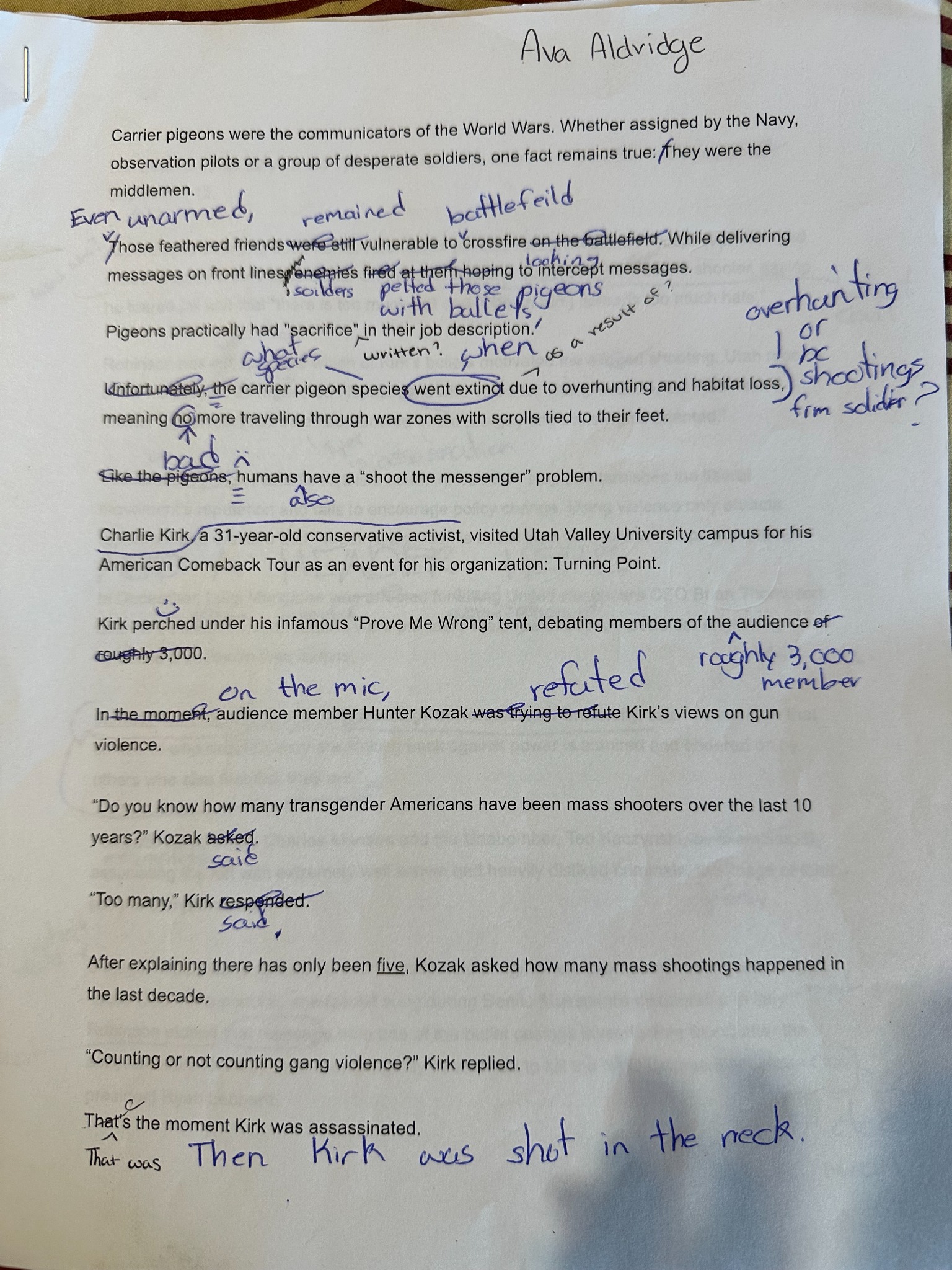
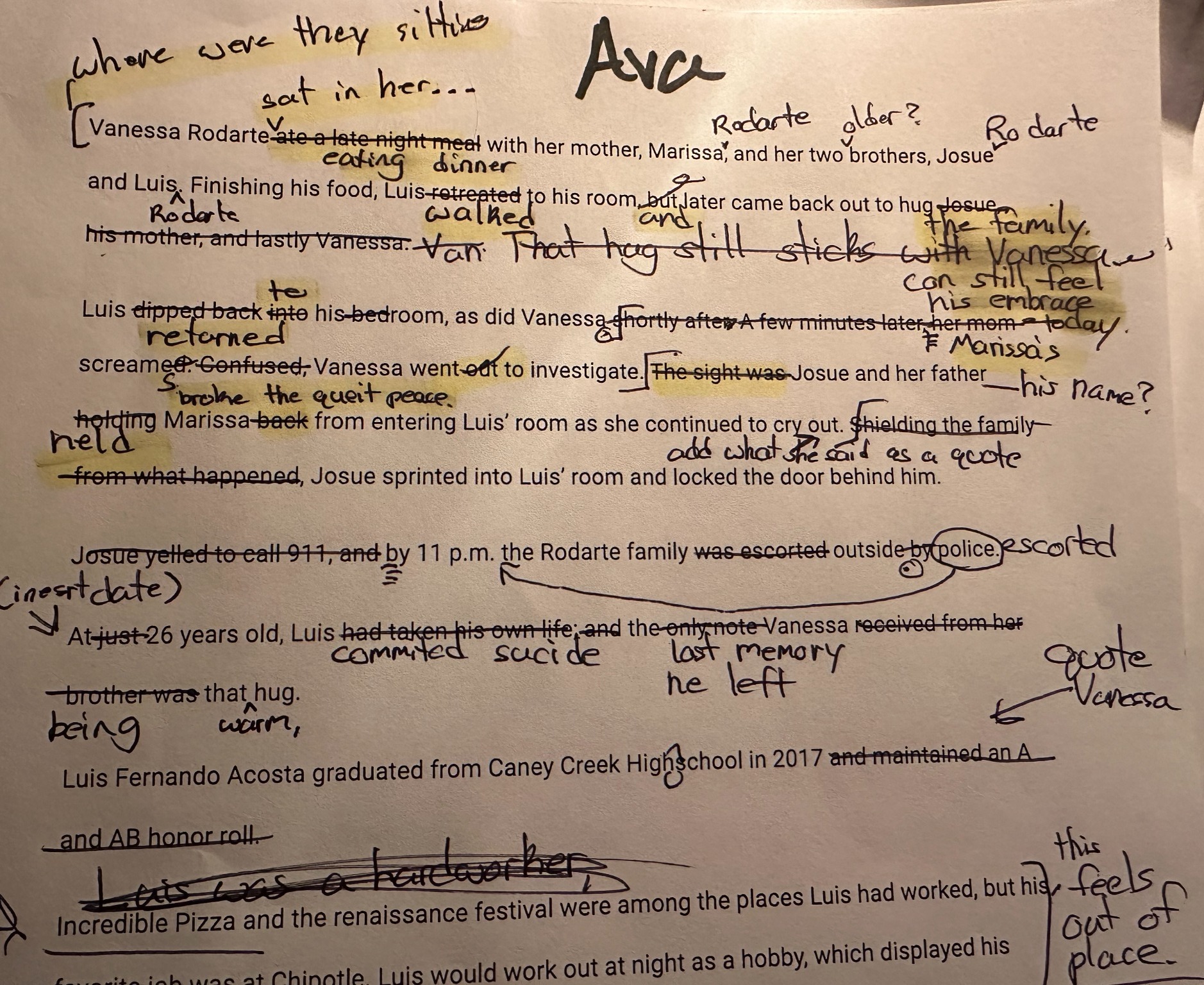
Before I put ink to paper, I read the entire article to get a feel of the article. If it is missing information, lacking interviews or feels unfinished I note that on the back. Then I dig in, converting the story to AP style. For beginner reporters I leave notes explaining purpose behind my edits.
I end every story on a positive note, writing something they did well.

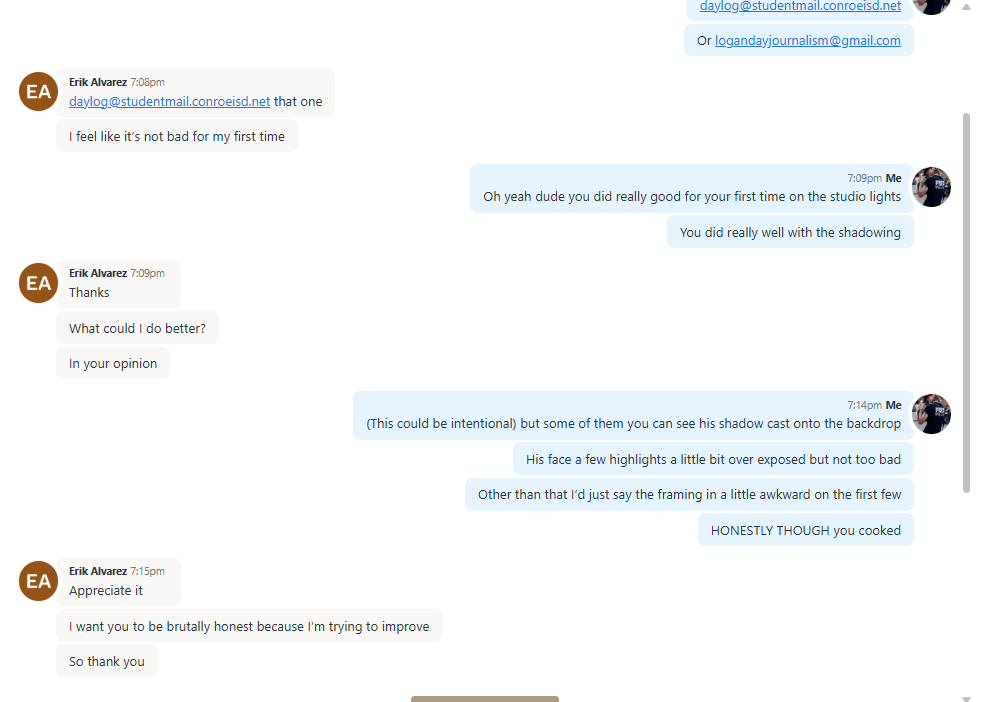
My favorite part of photography is looking for unexpected angles, so when I see the same photo a million times from my staff, I let them know.
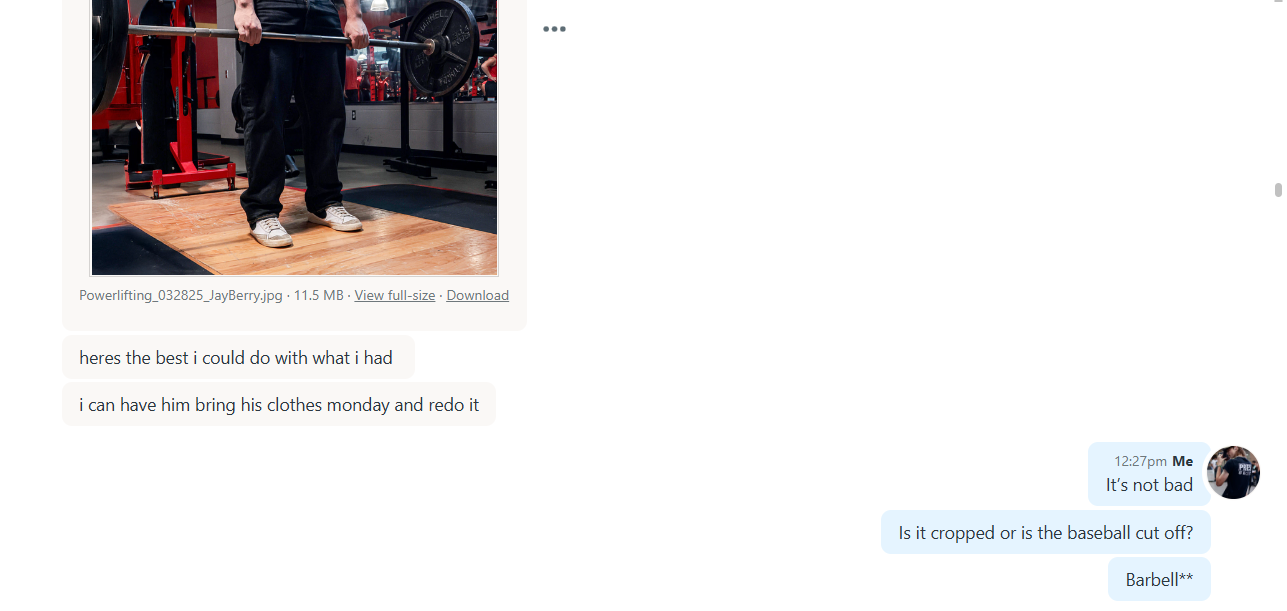
When editing a photo, I first look to see if the main subject was cut off at any point in the photo. If it is I send it back (unless there is a good reason). Next I check the crop and straightening of the photo. For me, the easiest way to tell a staff member rushed an edit is if the photo is unstraightened. If crop, subject and straightening are solid, I target exposure and color correction - Especially blown out highlights.
Lastly, my favorite part is tearing apart a photographer's attempted caption writing – it’s okay because I was there once too.
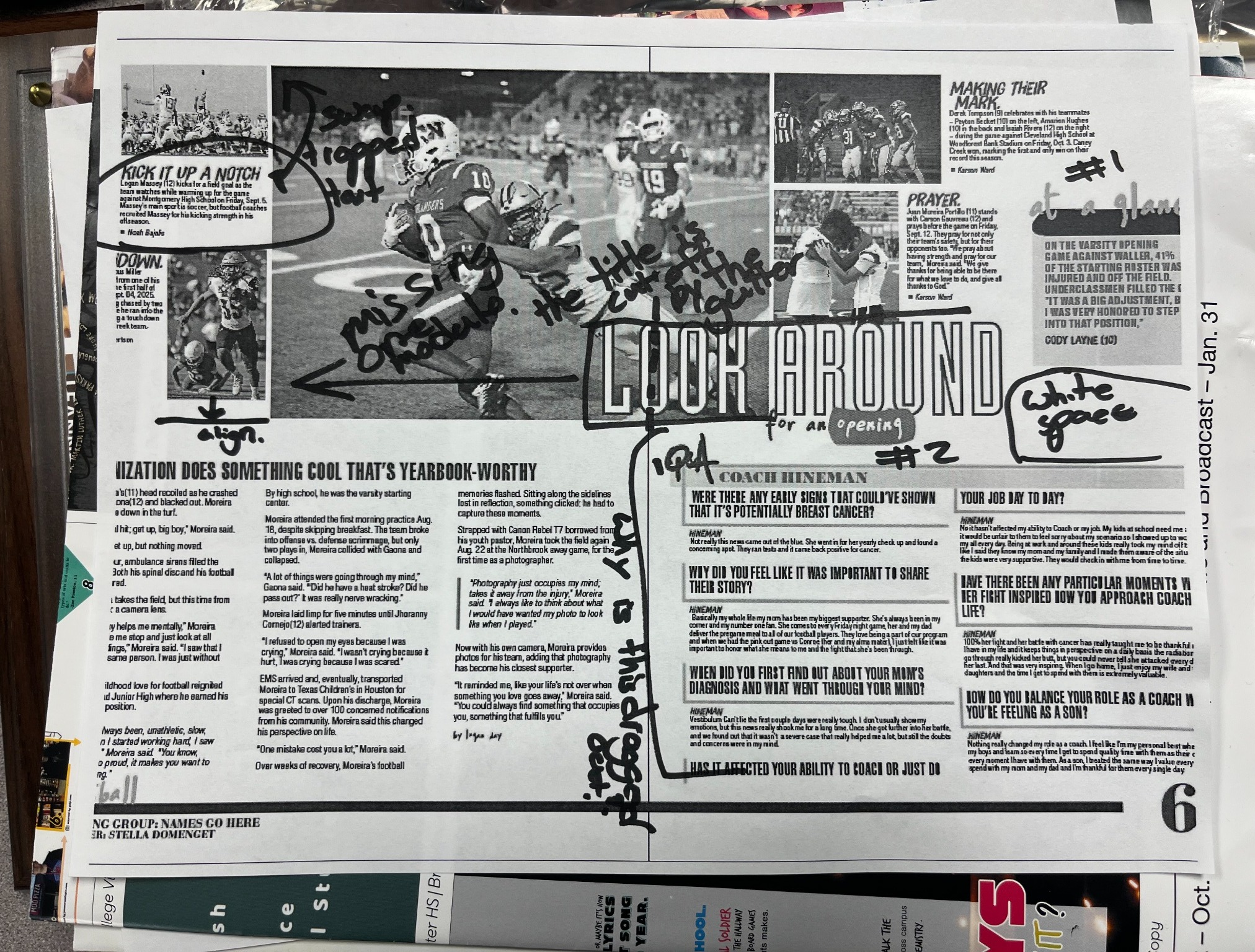
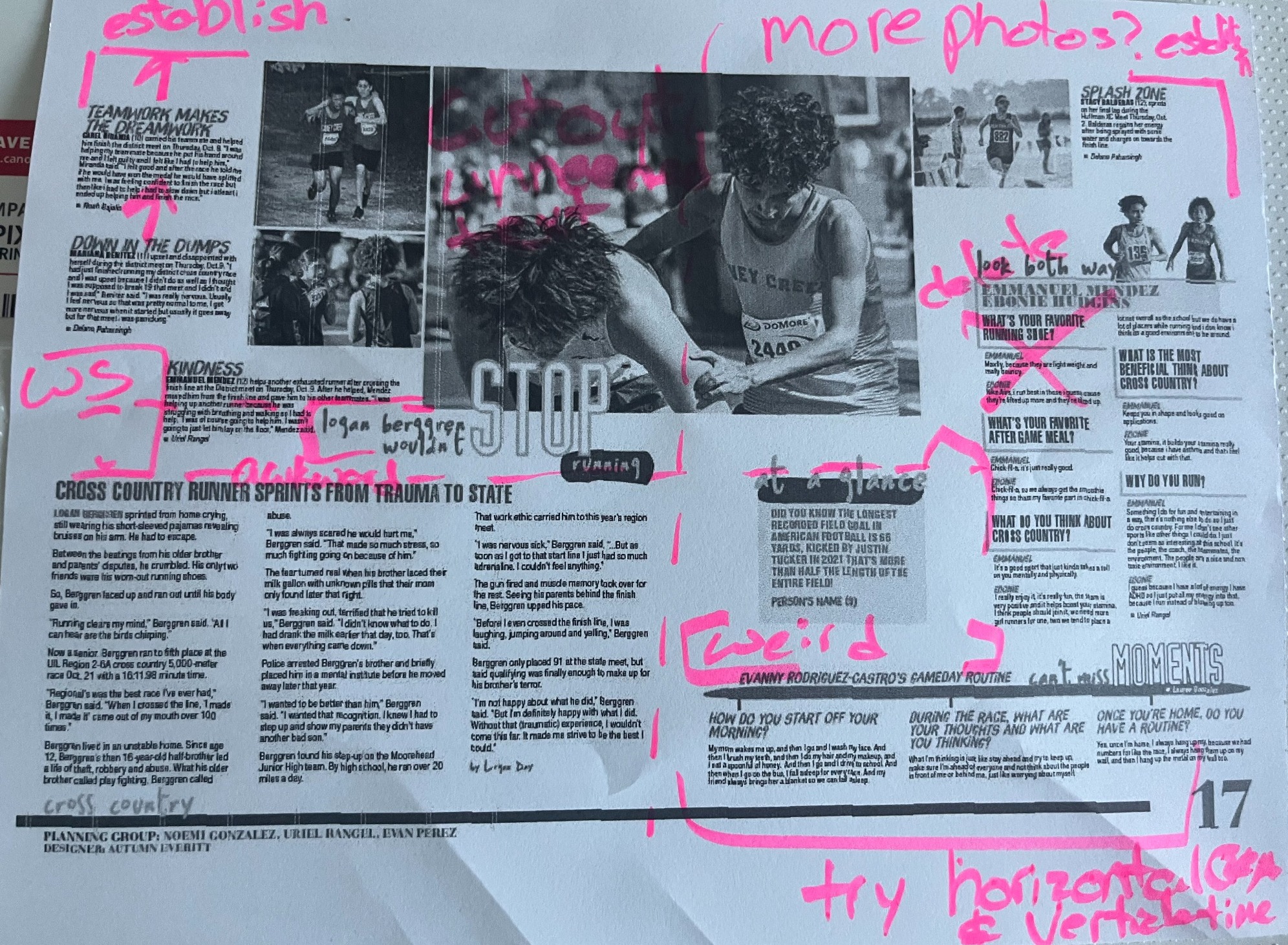
When it comes to out-of-the-box visuals, I can struggle, but I am good at following rules. When I edit another's design, all I’m doing is pointing out areas where designers “break the rules.”
To me, yearbook pages are a game of avoiding errors. The first thing I do is look for any trapped text or white space, then I offer possible solutions. Next I check alignment and spacing for clean and proper repetition throughout the book.
For each issue I highlight, I try to offer a possible solution for designers to learn from.
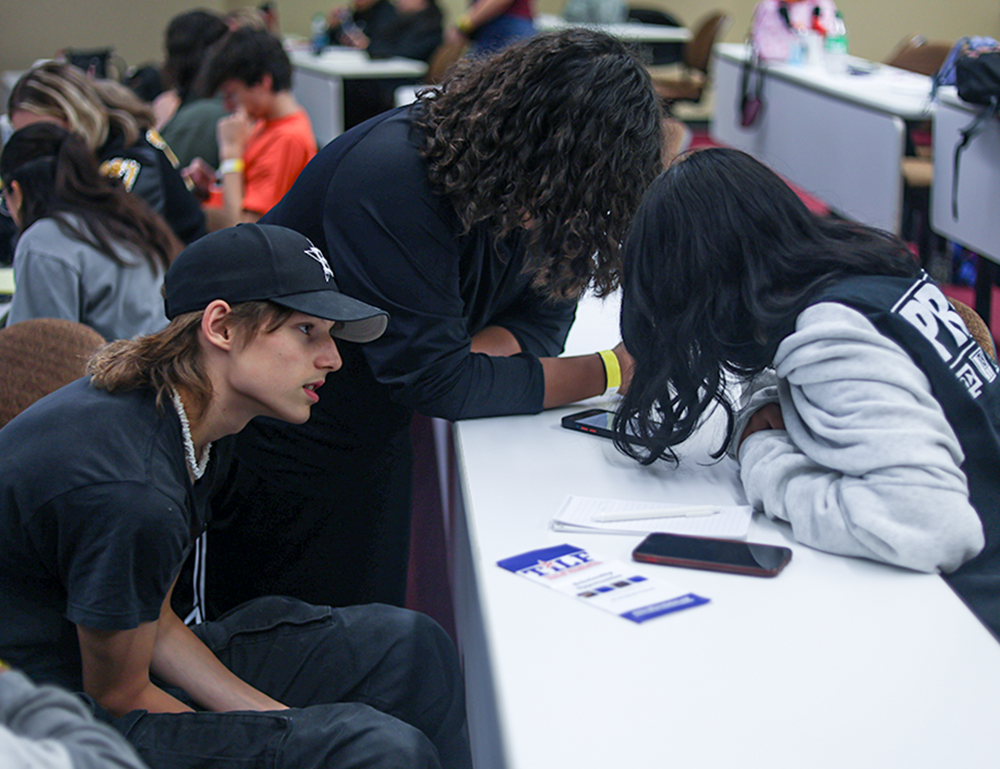
I like how he edits one-on-one. It's not just quick snippets of information. It's actively going through the paper and bouncing ideas off of each other that way; it feels a lot more helpful than just a drop of advice.
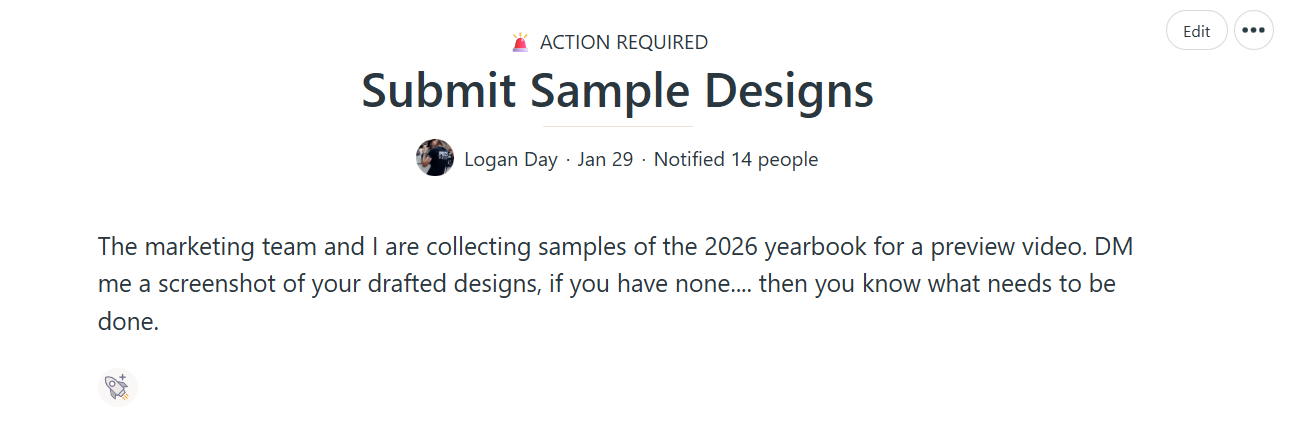
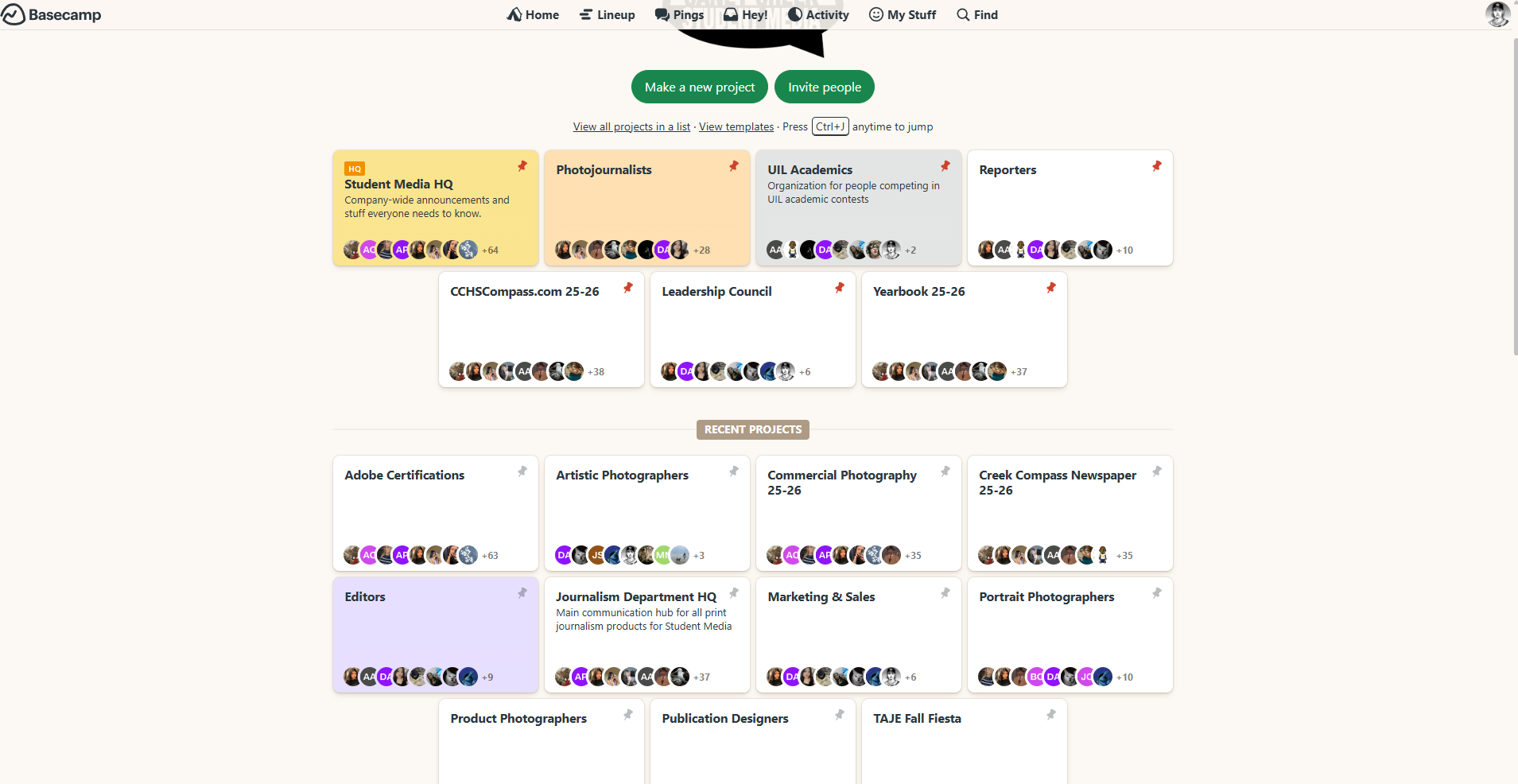
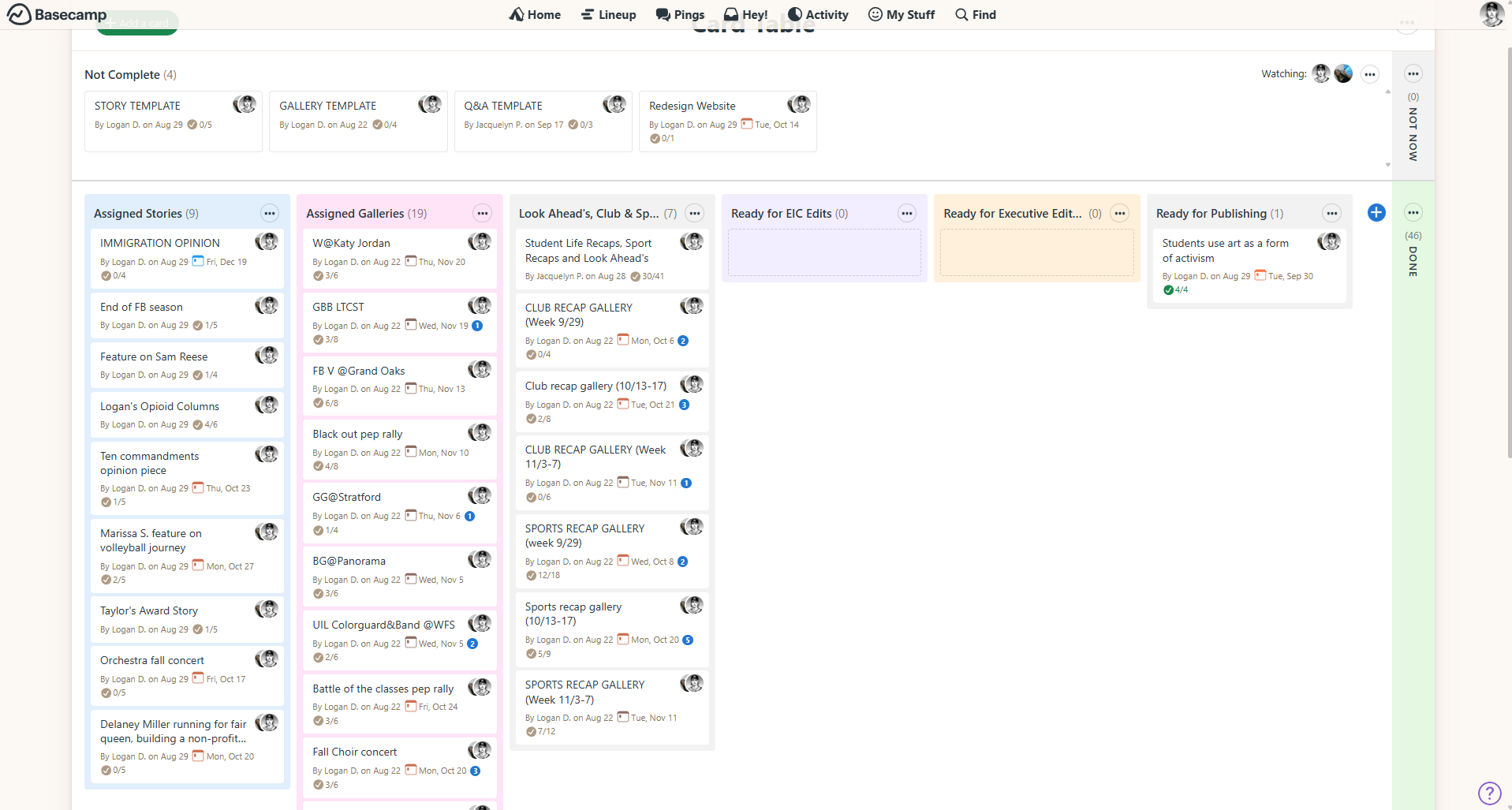
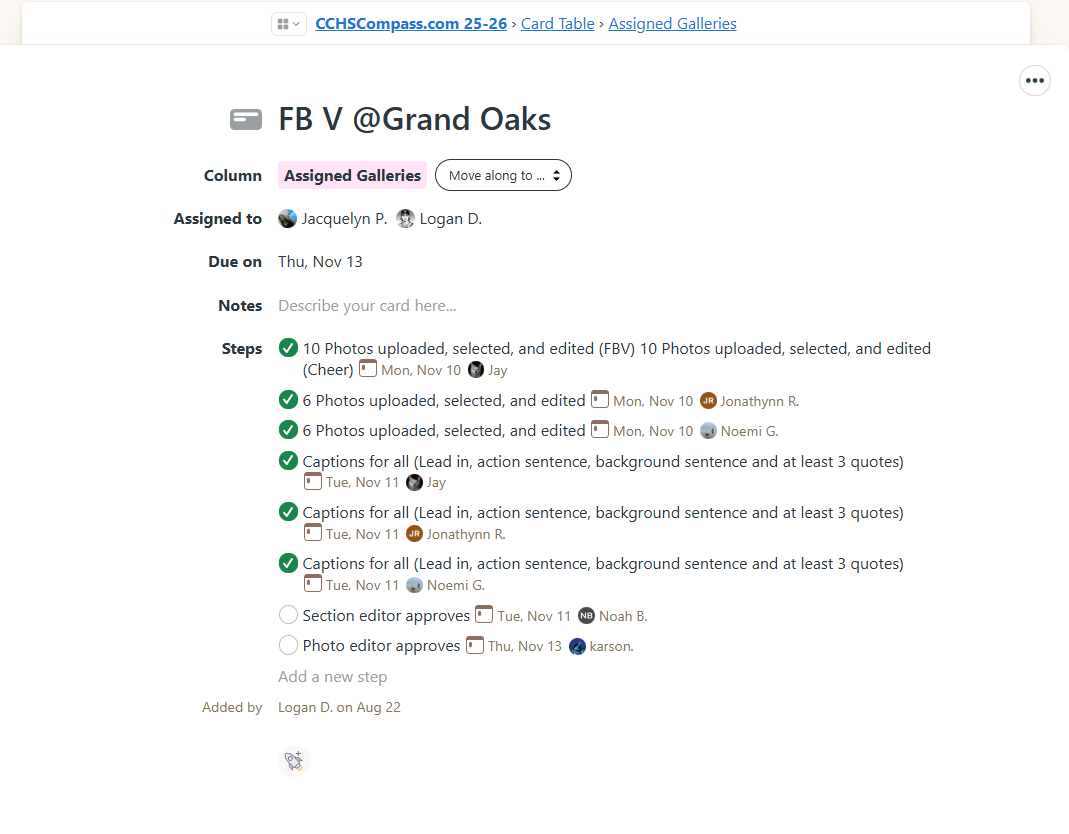
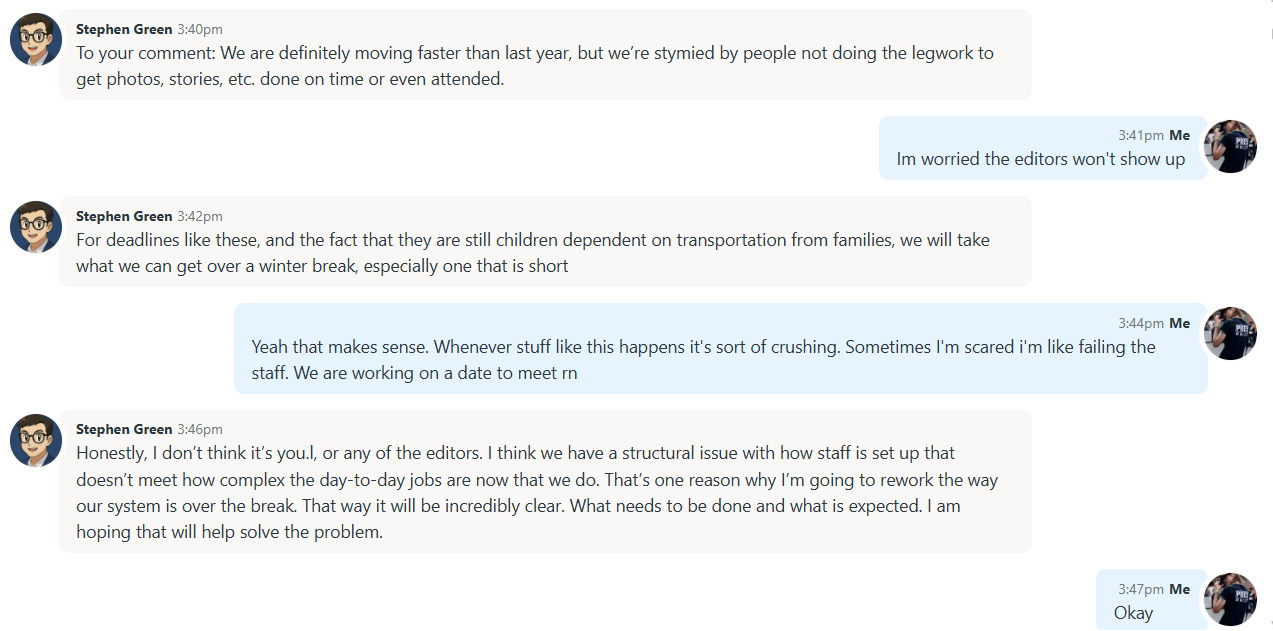
Student Media relies on Basecamp to coordinate between publications. In Basecamp, you can create position roles, projects, assignments, schedules and card tables.
This is where staffers can message editors and each other, see their deadlines and pitch ideas. At the beginning of the 2025 year, I sat down with my web editor-in-chief and yearbook editor-in-chief to teach them how to navigate and assign with basecamp. It is the backbone of our publications, and how I can communicate with my team.
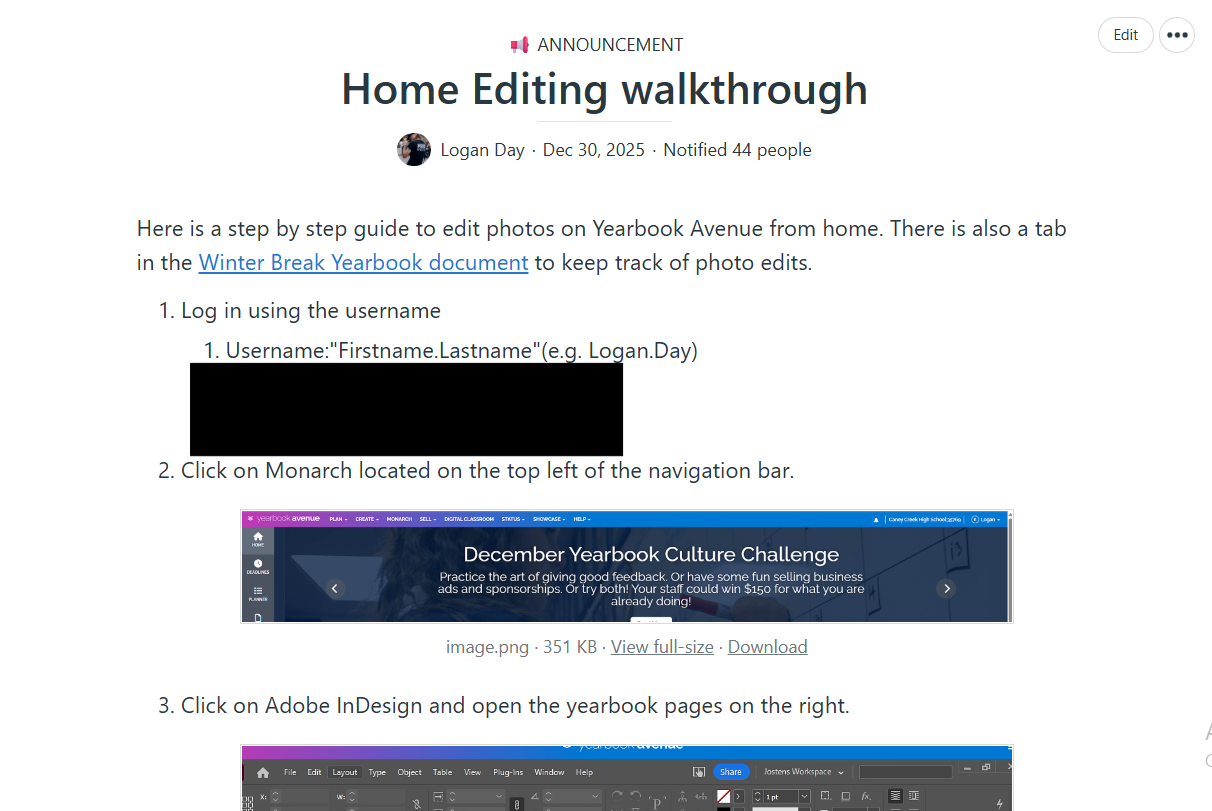
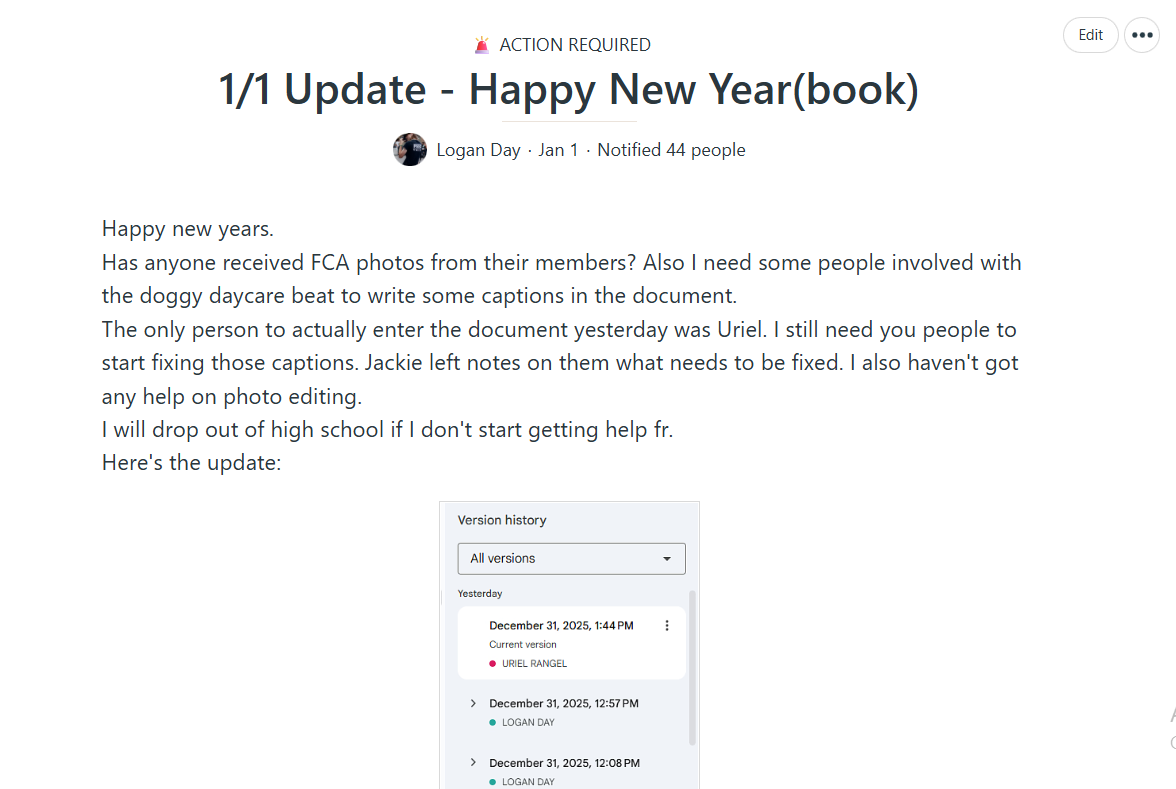
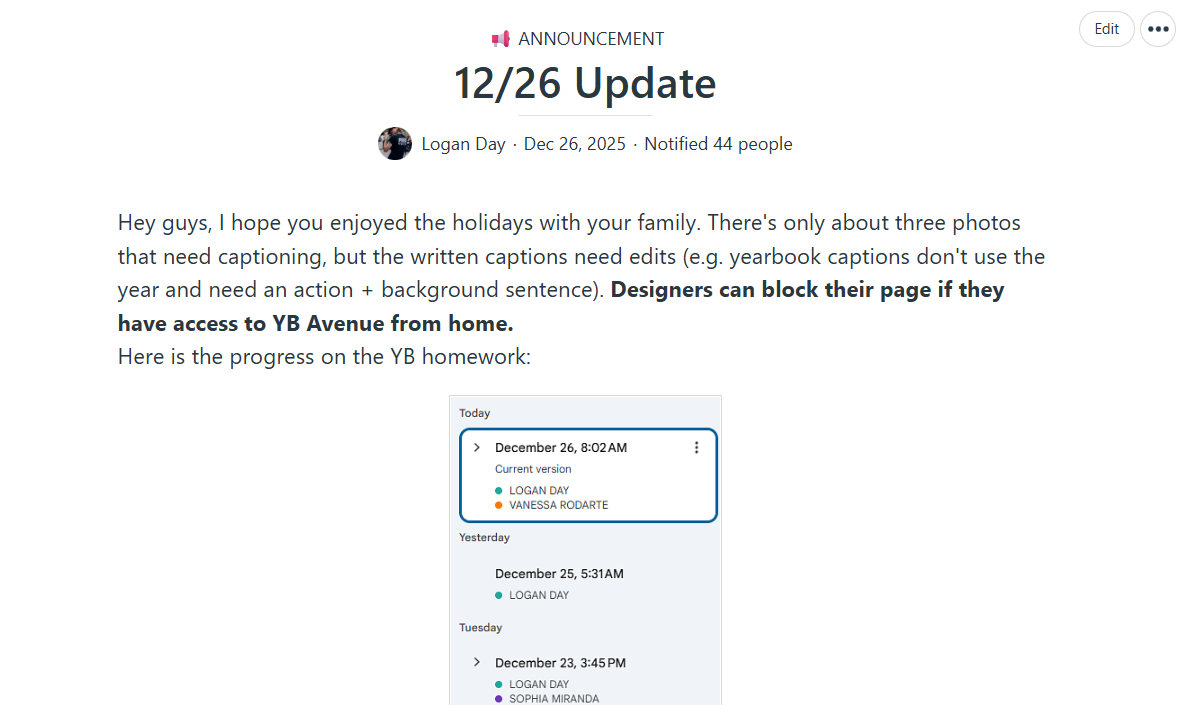
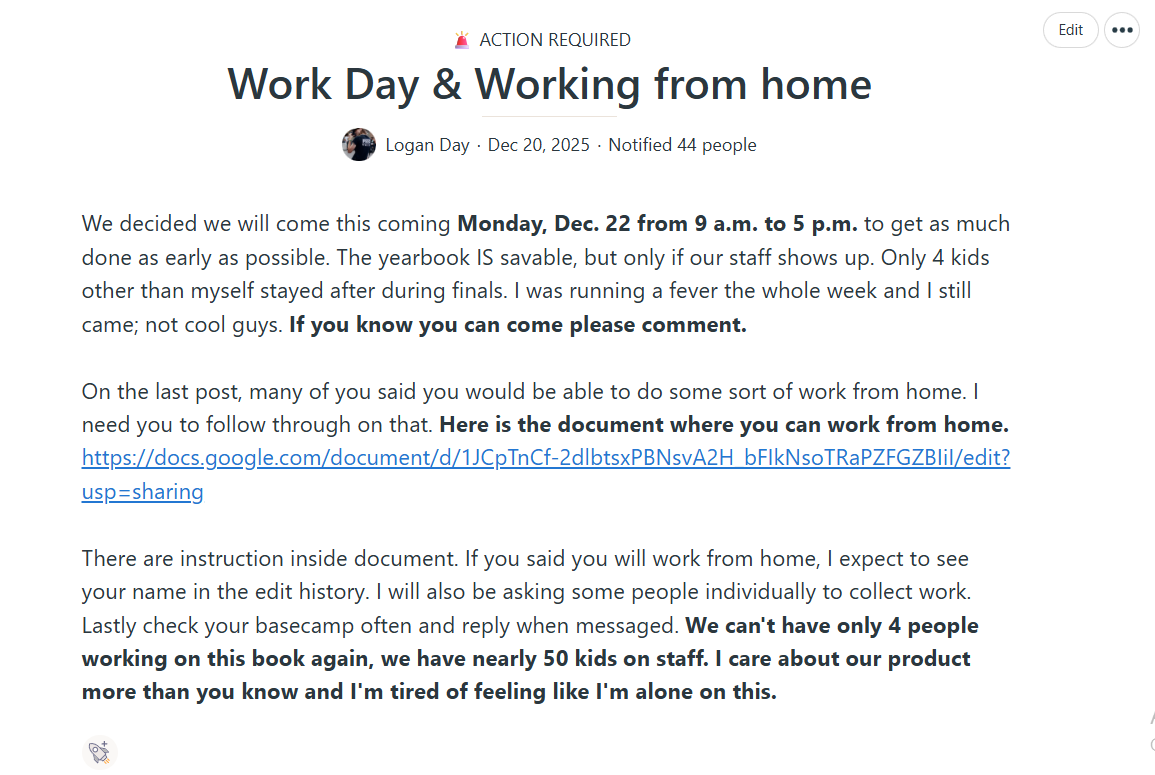
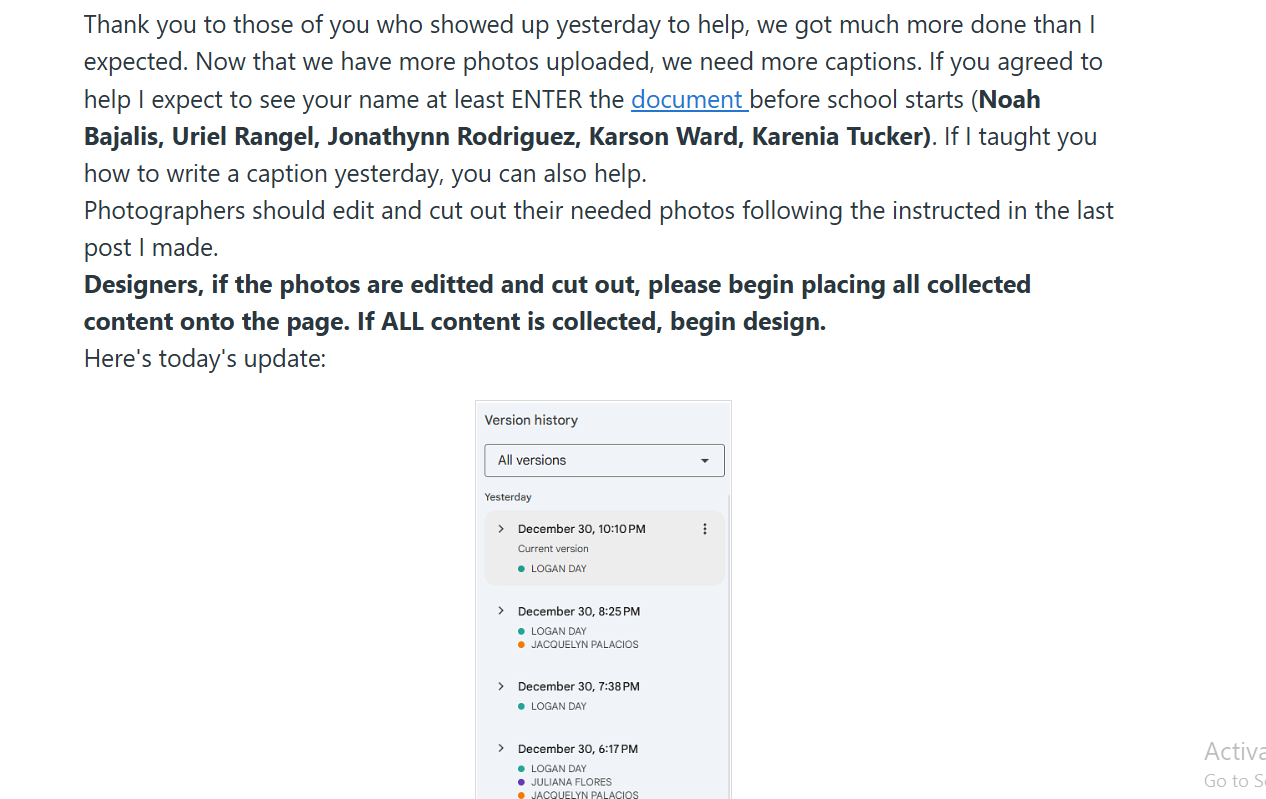
Basecamp became our saving grace over 2025 Winter Break as we approached our first Jostens deadline.
Every day, I used Basecamp to monitor and update our status on caption writing, design and story writing for all the deadline-included spreads. Over the break I also went to some staff members house to teach them caption writing and some designing.
At one point, I even recorded a short video recap for those who lack the patience to read my walls of text.
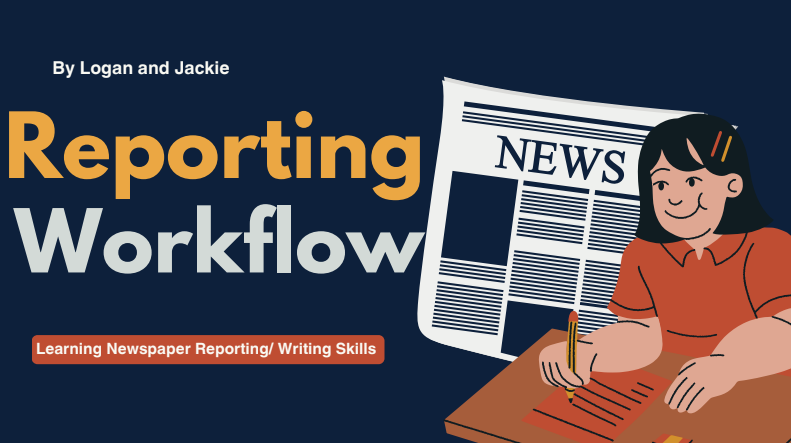
In summer 2025 I took the news room leadership class at Gloria Shields national workshop where I made my first workflow for reporting. Humans are like to check something off, so following a step-by-step guide can be key to starting them off without needing an editor hovering over their shoulder.
More than a dopamine hit, encouraging staffers to report their steps allows myself and the other editors to find areas of confusion or reasons they drag their feet. I’ve learned students tend to avoid publicly asking for help until the last minute; workflows are one of my solutions.
Due to a lack of communication between yearbook editor-in-chiefs, the 2024-2025 yearbook spreads only started in mid-March, so we worked into summer. I would say "we," but only the web editor-in-chief, a photographer and I showed.
Every weekday from 7 a.m. to 8 p.m. I was at the school working on the book. When my summer swim got in the way, I’d work on it during my swim meets. We finished mid-July with over 100 hours invested in the summer. I refused to let it die.
He's always ready to take the lead. Last year with our yearbook, our editors-in-chief weren't really present there during the summer, which I understand. Life gets in the way, but he took the lead and got the book done.
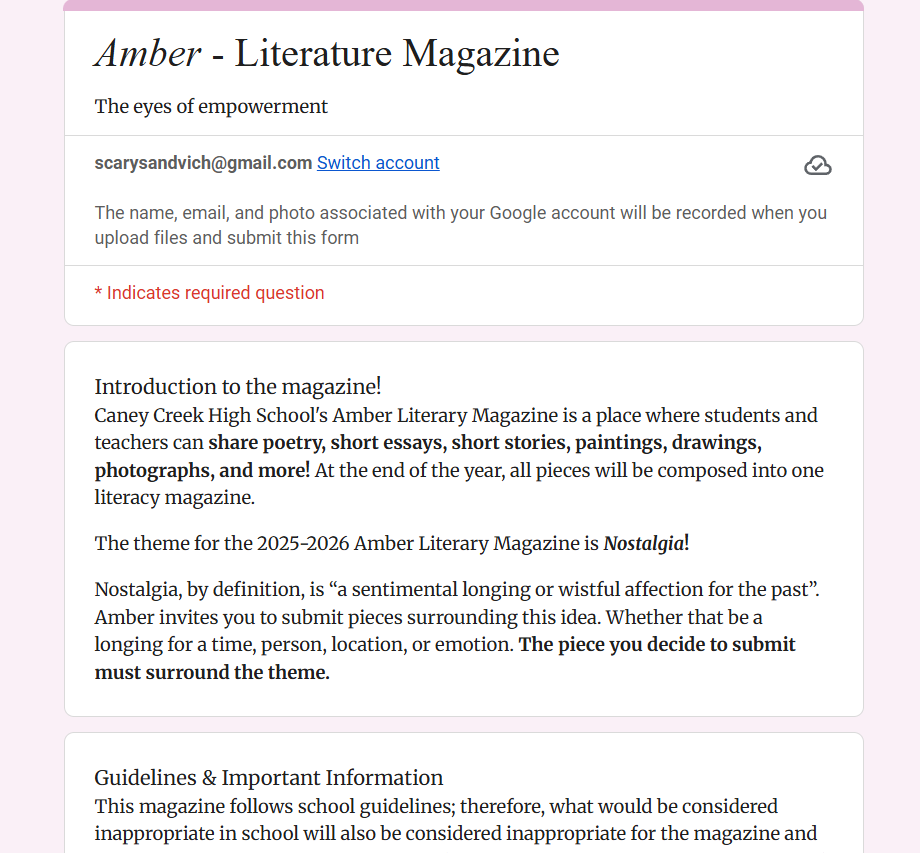
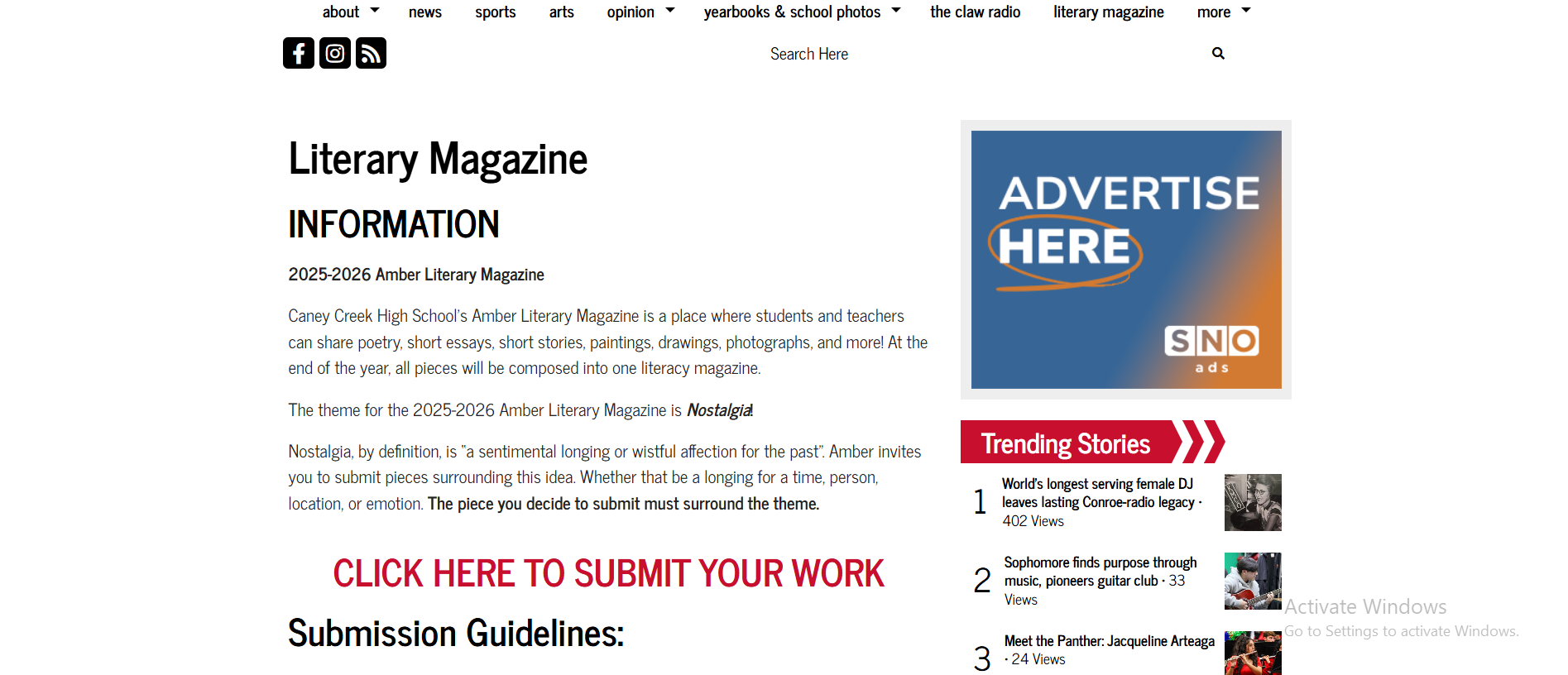
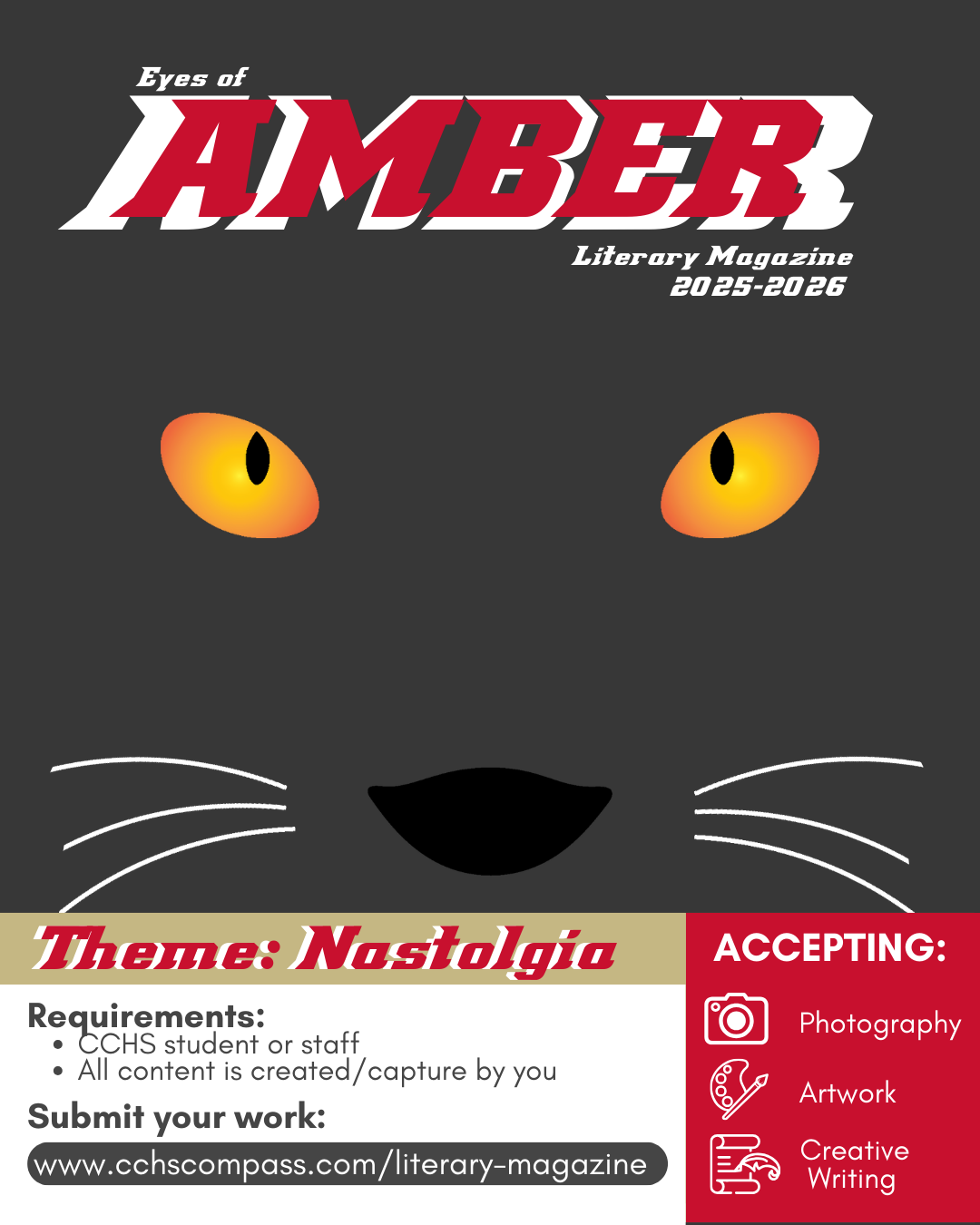
The literary magazine team started this year under Student Media guidance. I joined lit mag editorial staff as a bridge for our two publications. With my yearbook experience, I taught the lit mag beginners the basics of editing, designing and marketing of a publication.
I created a webpage, submission forum, and advertising. The literary magazine invited all students and staff to showcase their creativity, but also gave me a new-found love for creative writing.
Being a leader takes initiative, and sometimes it takes a push to get there. By February production started slowing, so I ran an audit on staff with my adviser and found that staff members (especially in separate class periods), frankly, never saw their editor's faces, let alone engaged with them.
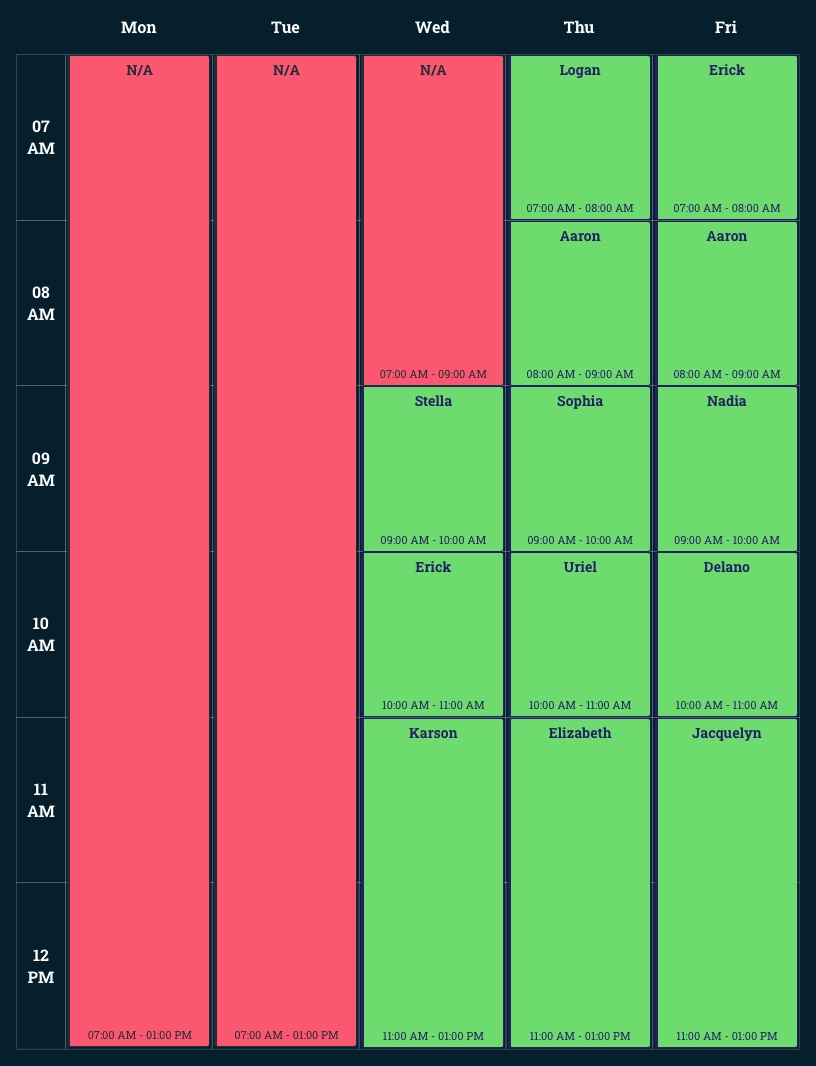
I held a special meeting that week and agreed to introduce editor shifts – a scheduling system delegated to the managing editor, where editors are assigned by days of the week to walk around the newsroom in their period to monitor staff production hands-on.
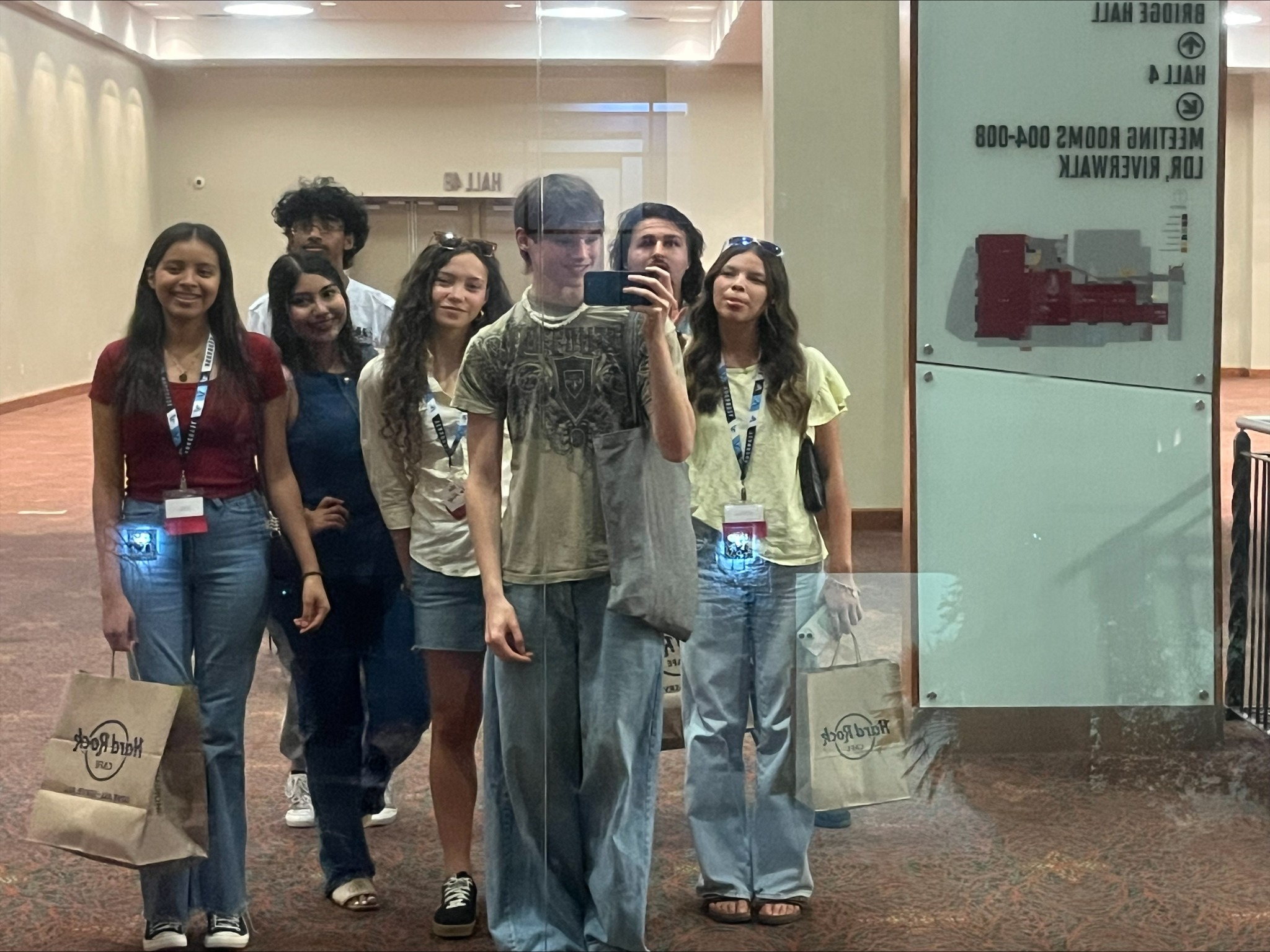
Between the hectic hours of the journalism room, it’s important to get to know who you’re working with. Every year I’ve helped run staff celebrations such as Friendsgiving, Christmas parties and Banquets. As an editor, I want my staffers to see me as a person too, not just a boss. Each event taught me something new about my colleagues, and in the end, built a stronger bond in the process. A stronger bond means strong newsroom coordination.