Law, Ethics & News Literacy

Ethics are the fundamentals of reporting. Each journalist's self code-of-conduct is built from their unique experience. My ethics revolve around people. Journalism to me is a balancing act between providing meaningful information and protecting sources.

Hill County Floods


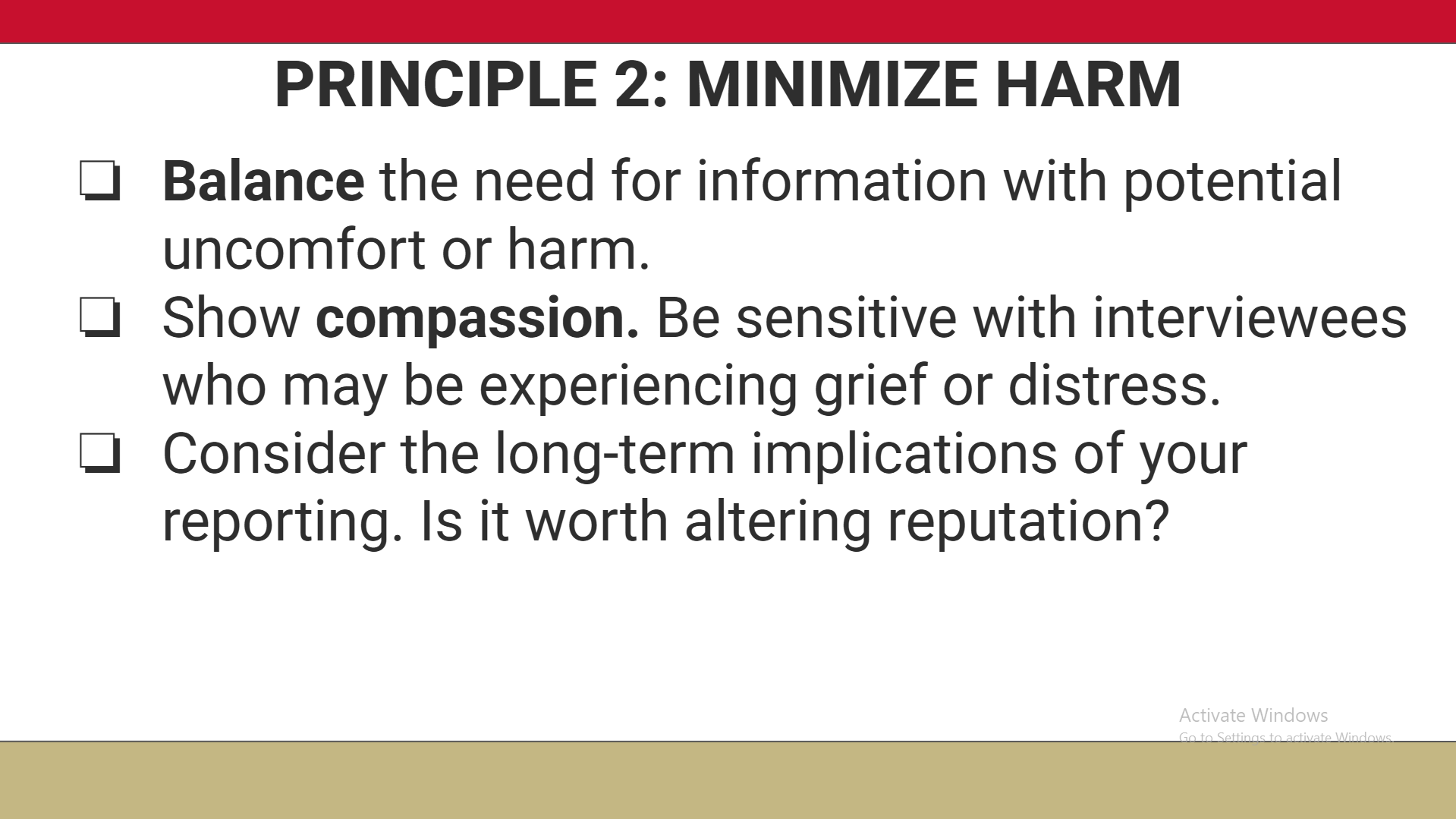
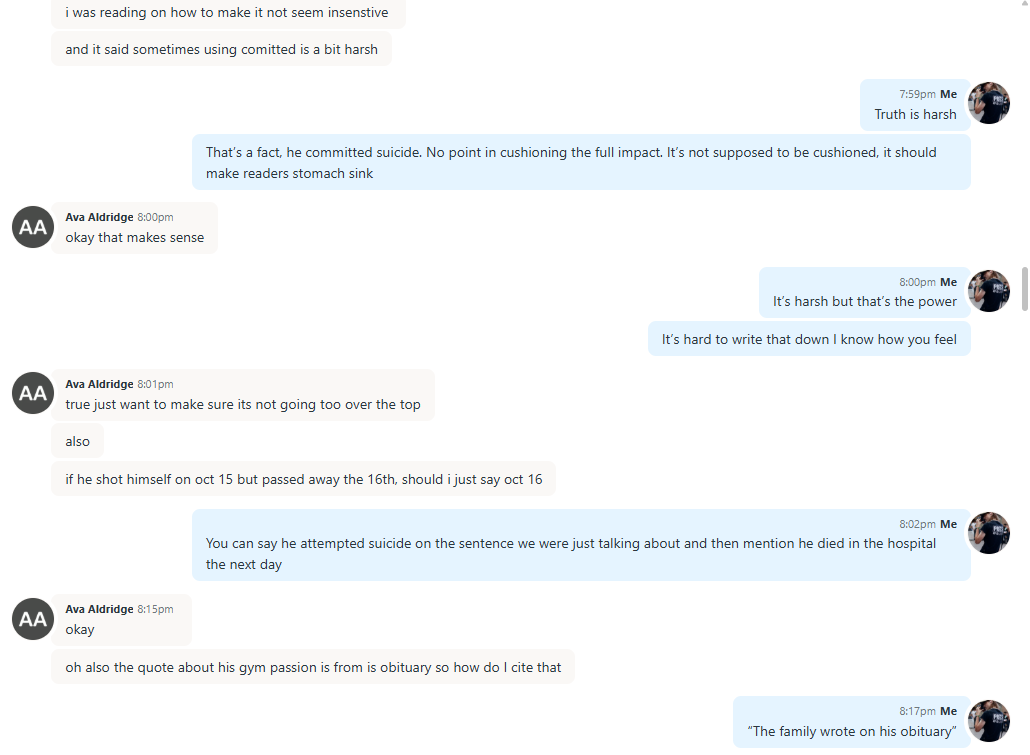
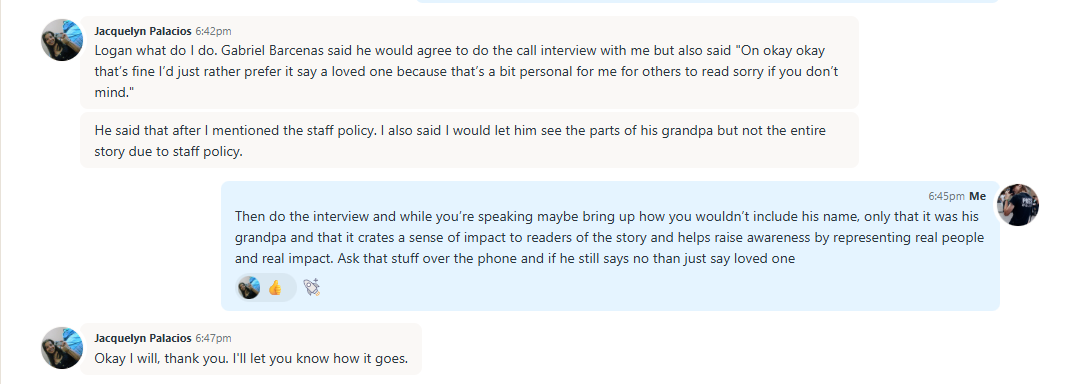
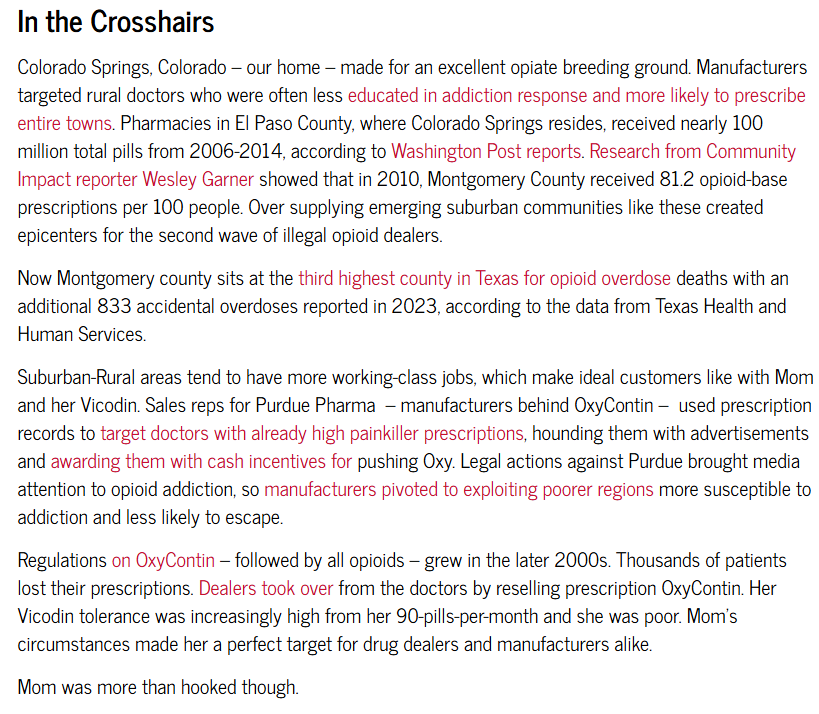
Every decision in this coverage felt like an ethical puzzle. Alumna Reese Mancha died in the Hill County floods, and I had a duty to report; to truly put a face to those numbers in the headlines. When I released my first article, it was met with mixed responses. All the facts were accurate, but through my digging, I ended up reporting information that even the Manchacas hadn’t learned yet. The community rallied to Reese’s cause, but my principal felt it was defamatory. He wrote a public announcement against my reporting and asked that we publish it on our website. I could handle the principal complaints, but I spiraled when Reese’s called the article too graphic. We compromised and I reworded some of the details in the article, but it remained published. The situation ate at me; where I hoped to rally people in Reese’s honor I ended up hurting the family. As a journalist I executed well, but as a person I felt horrible. It was a slap in the face of reality and a reminder of the impact journalists hold and that I am a human too.

Ethics Presentation

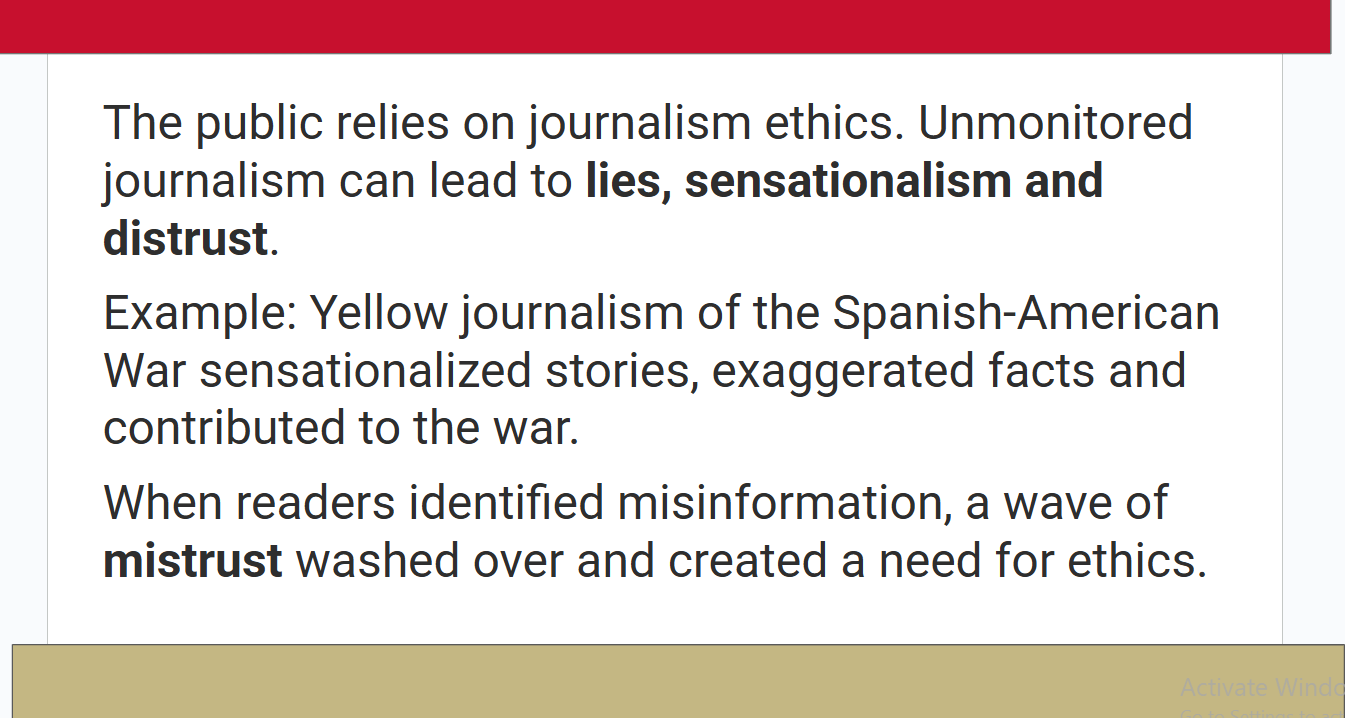
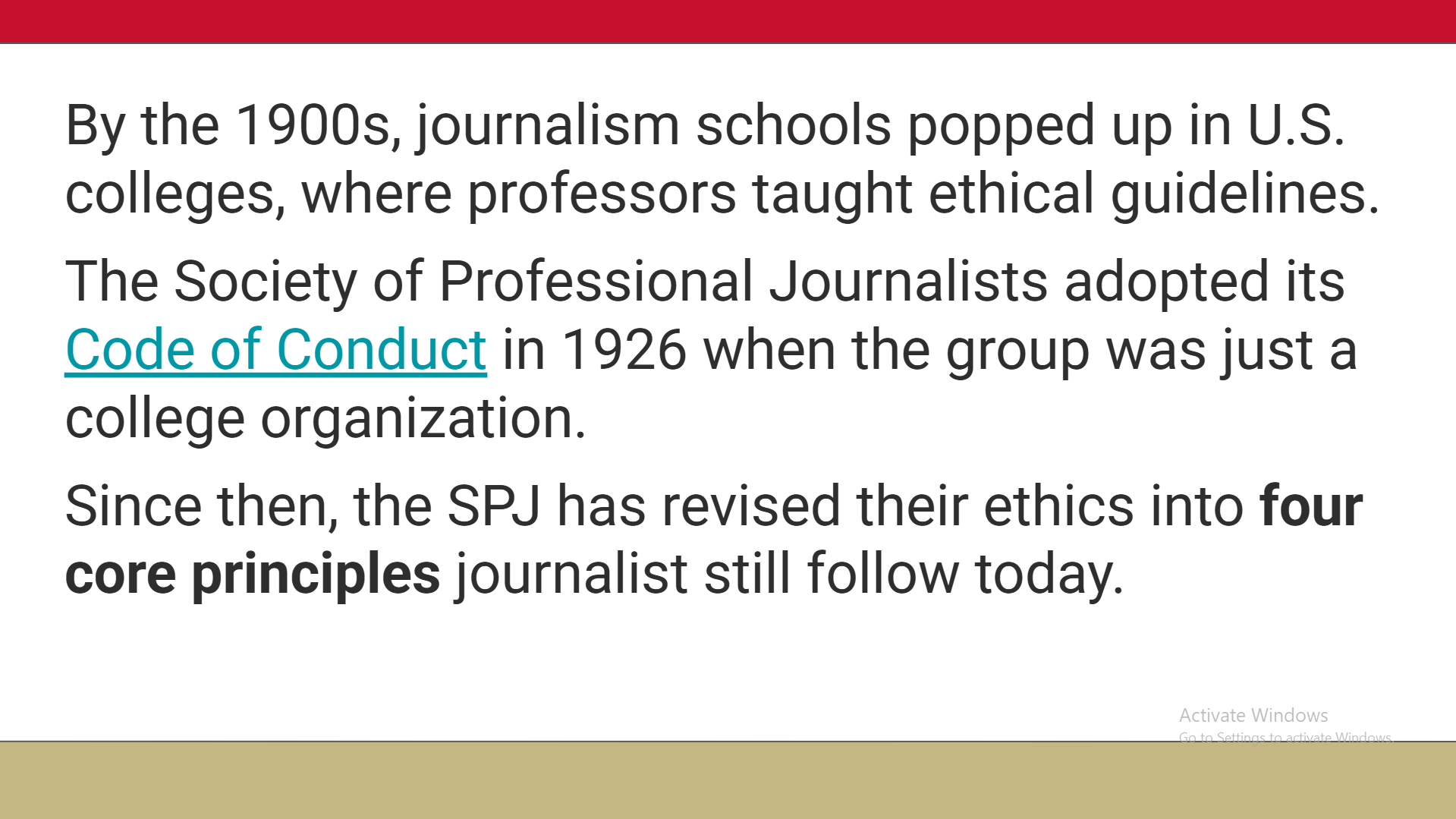
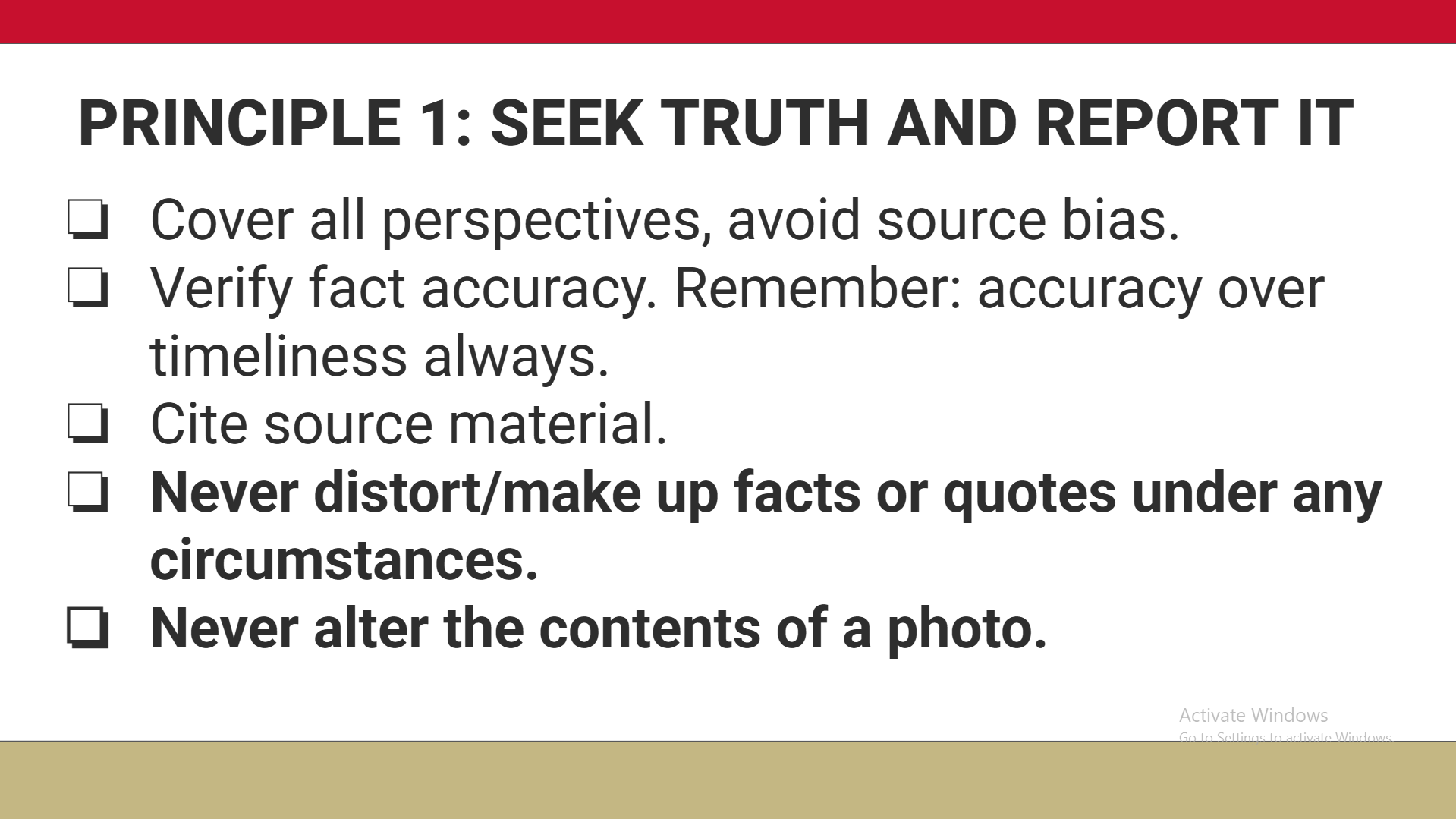
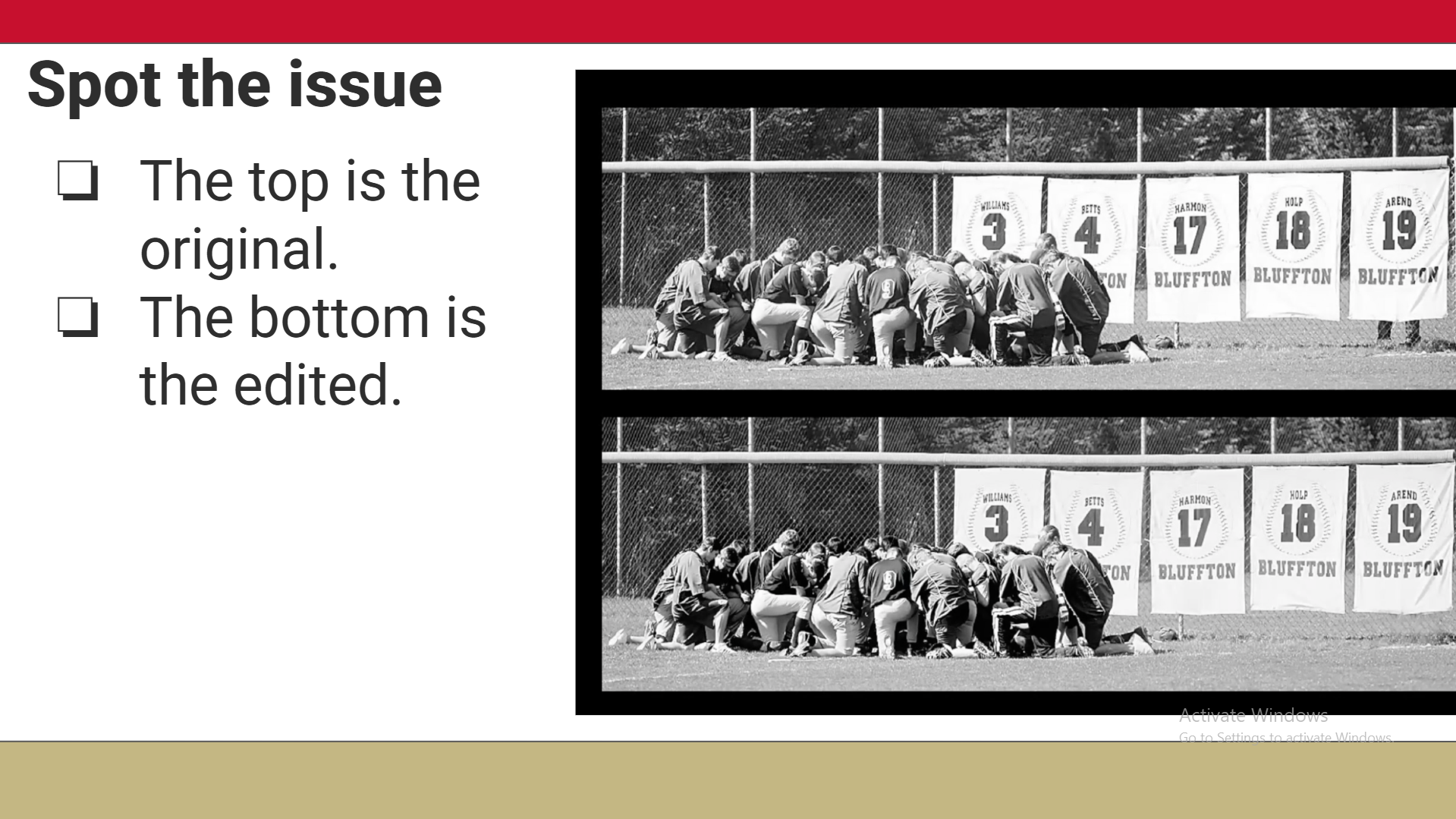
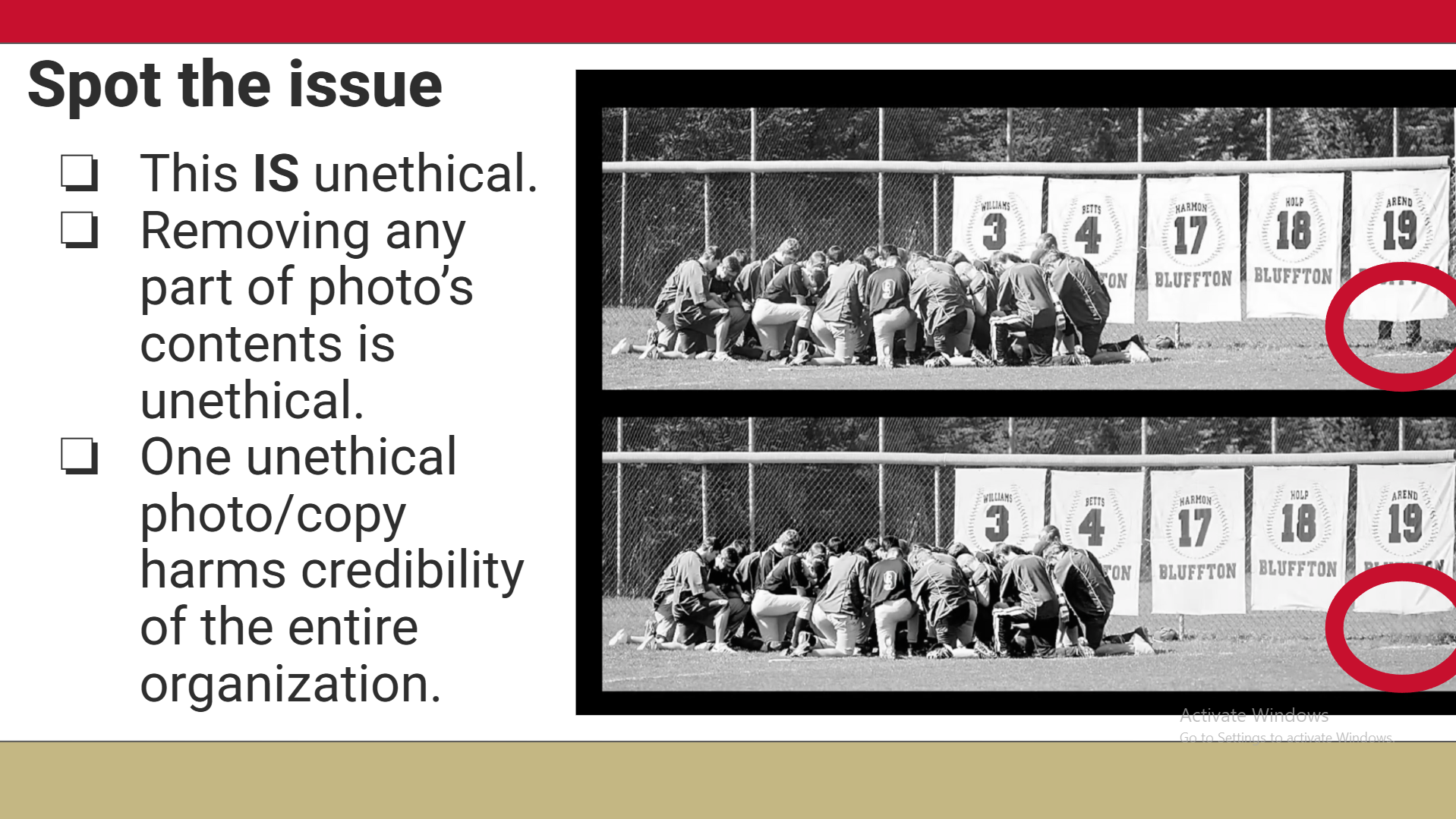
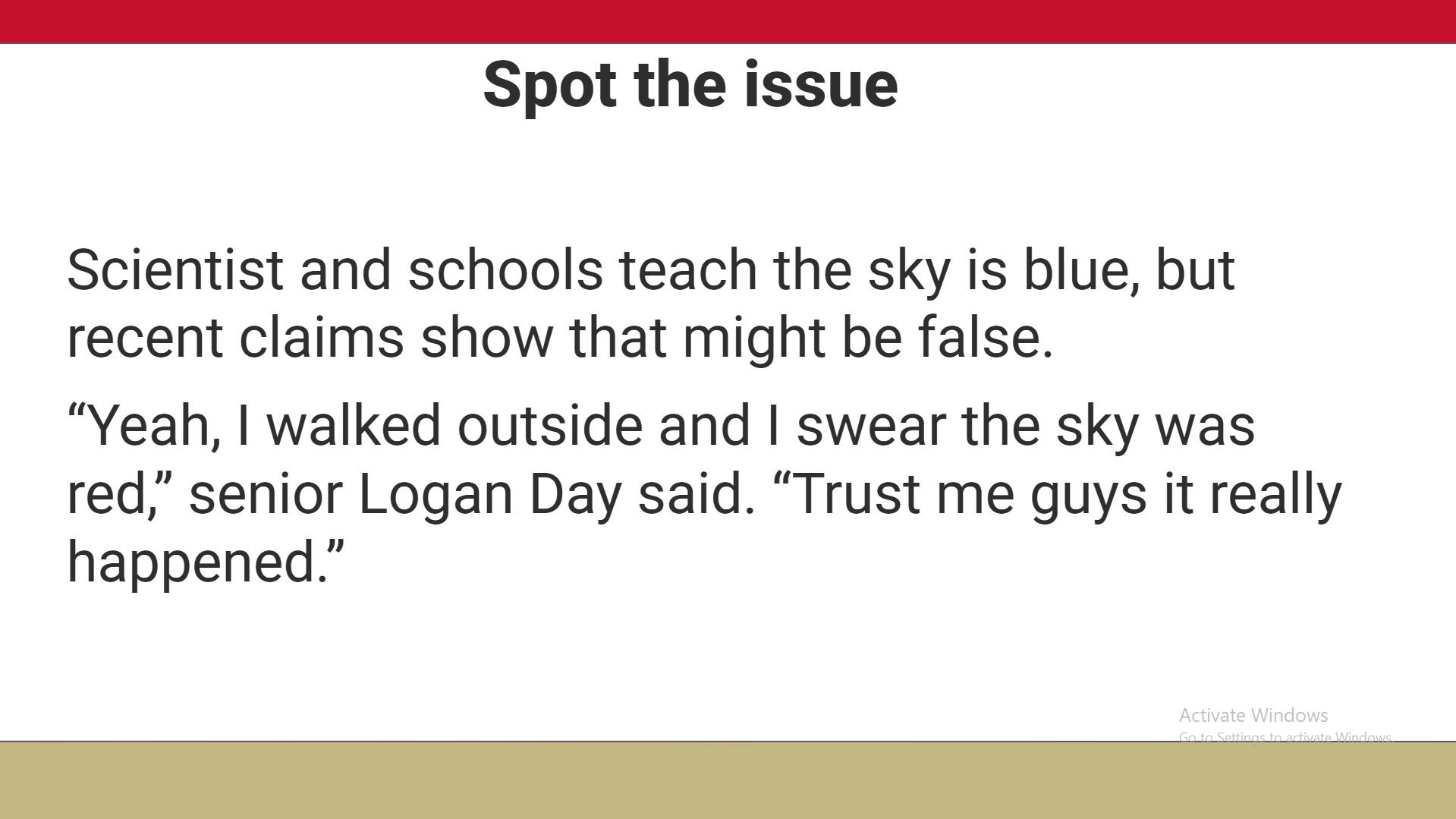
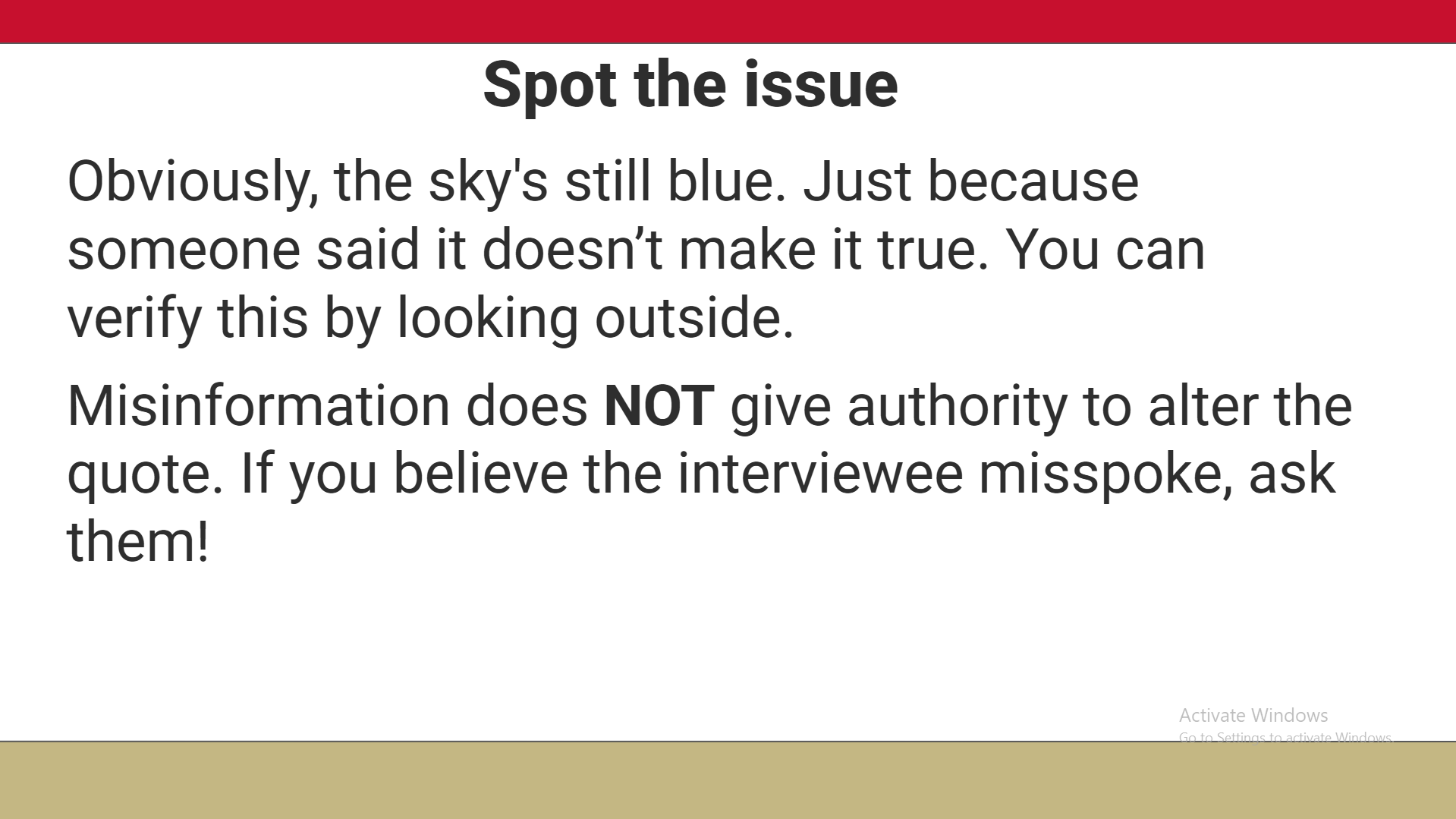
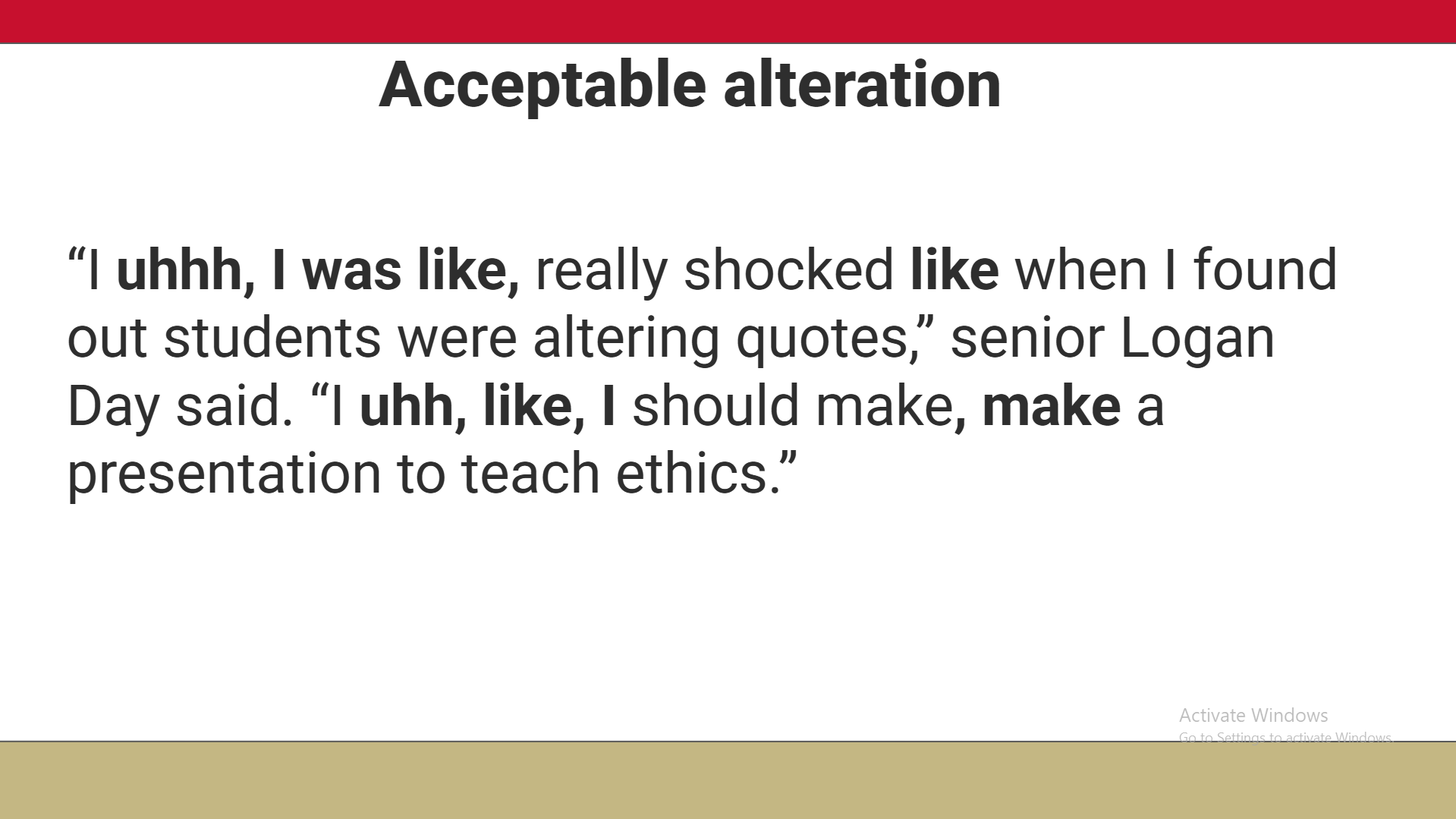
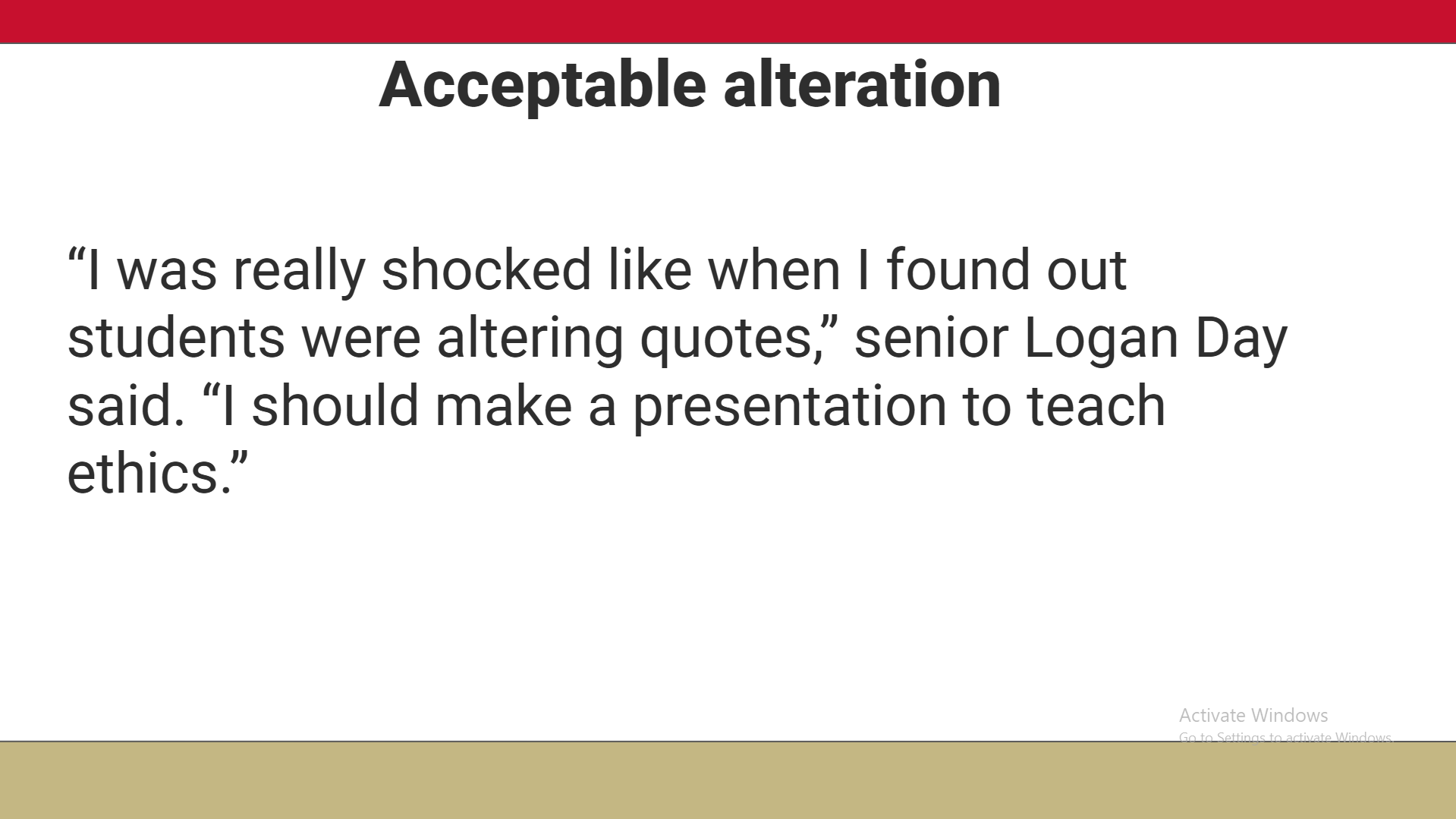
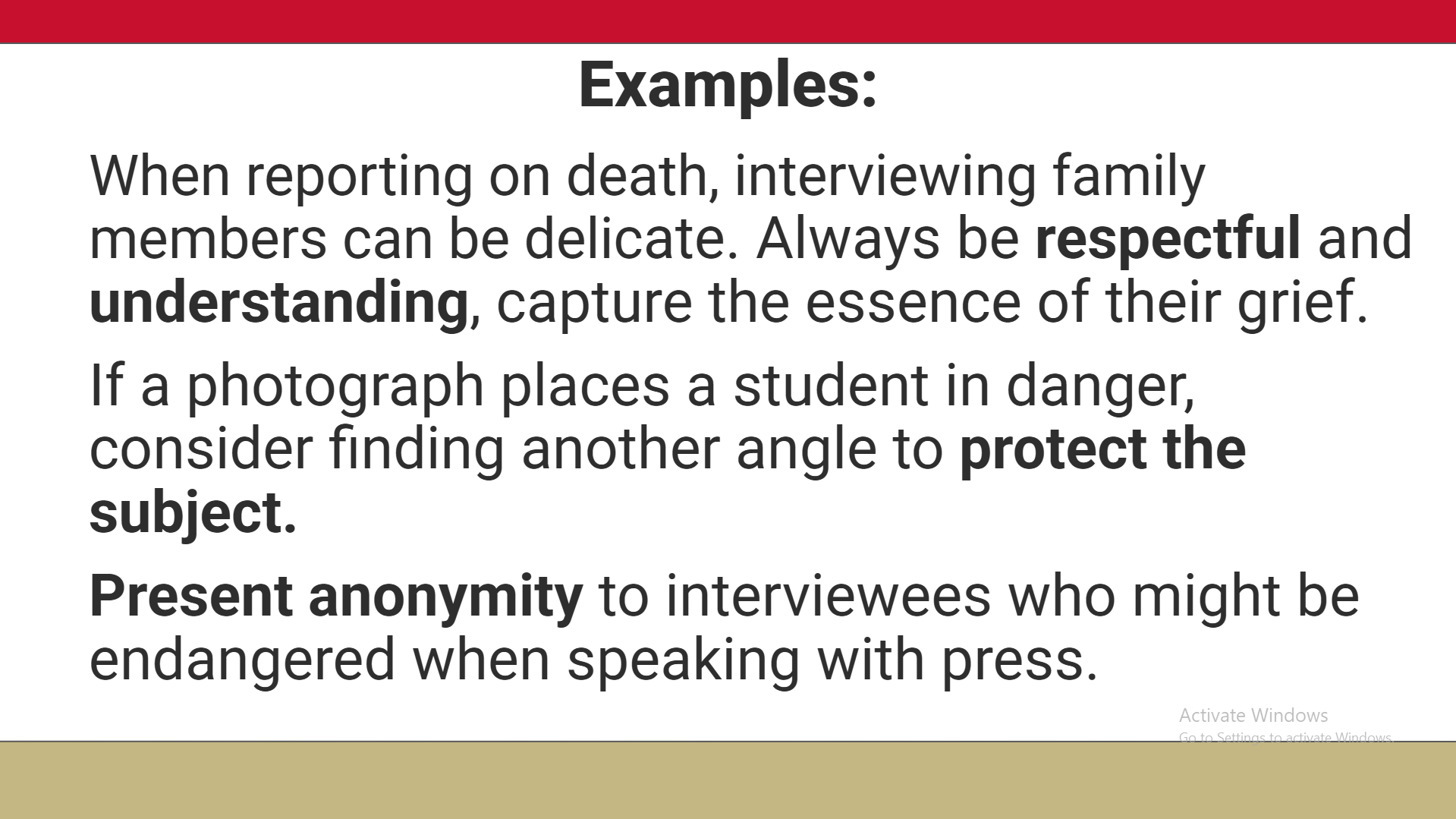
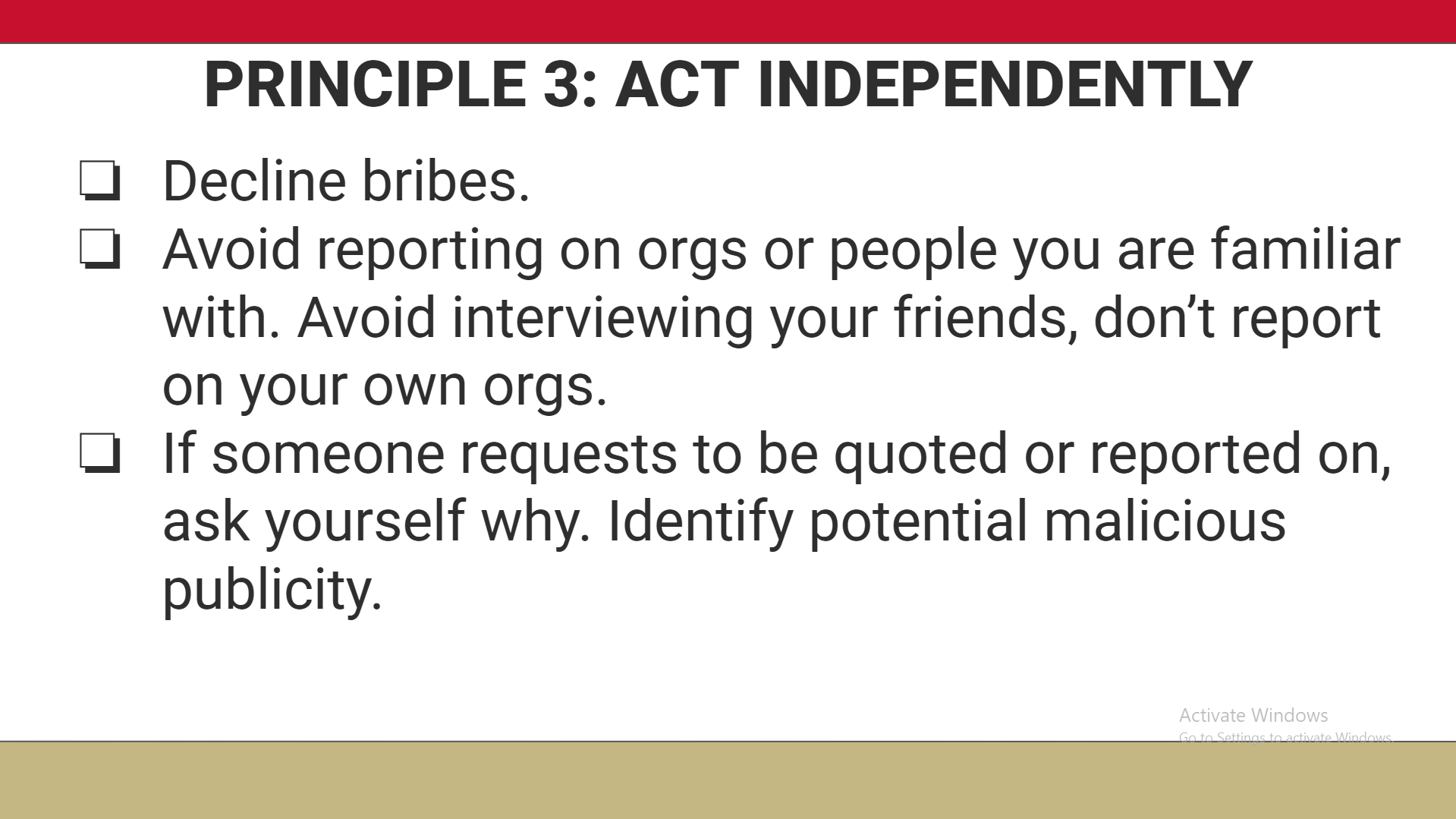
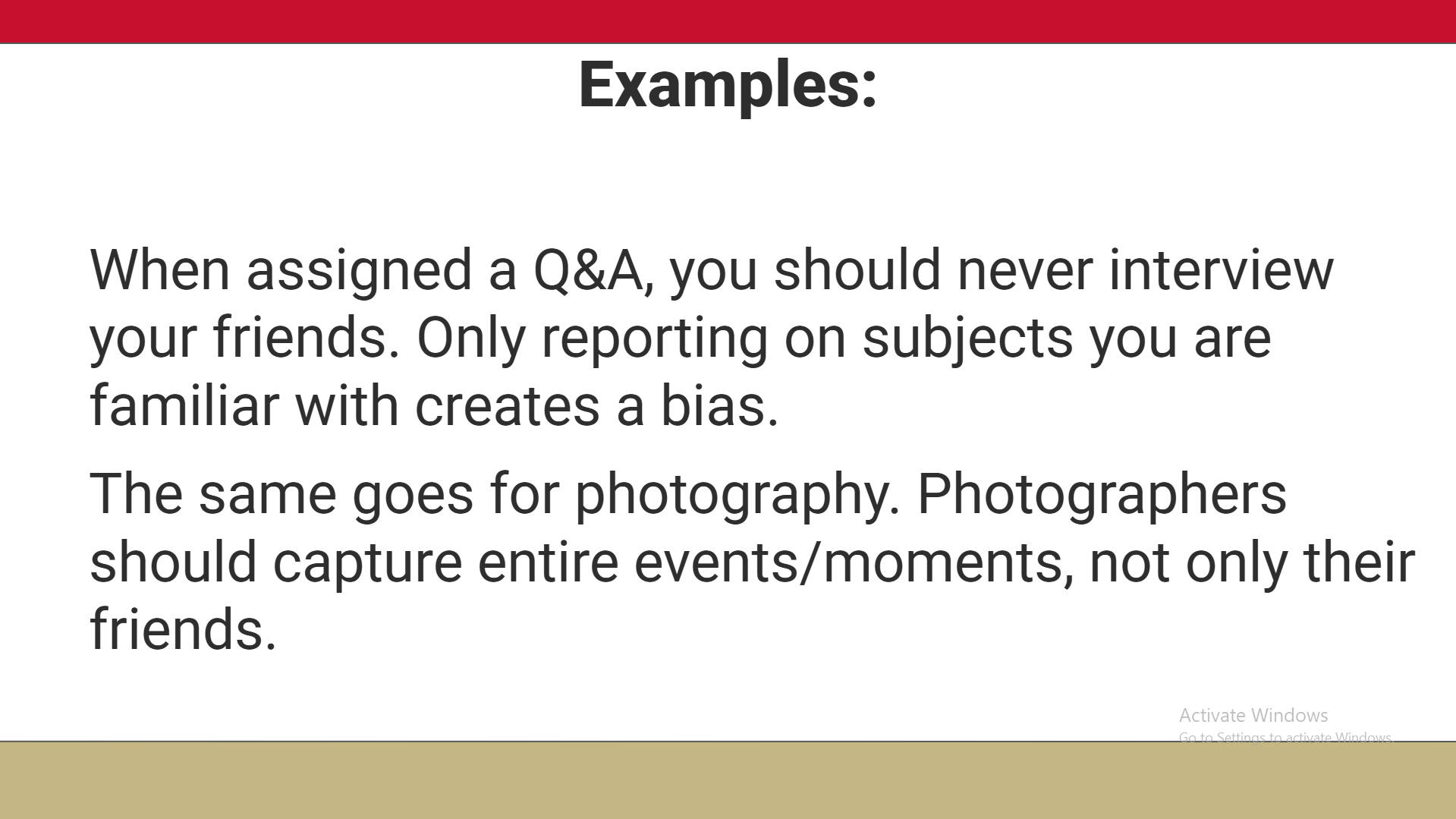
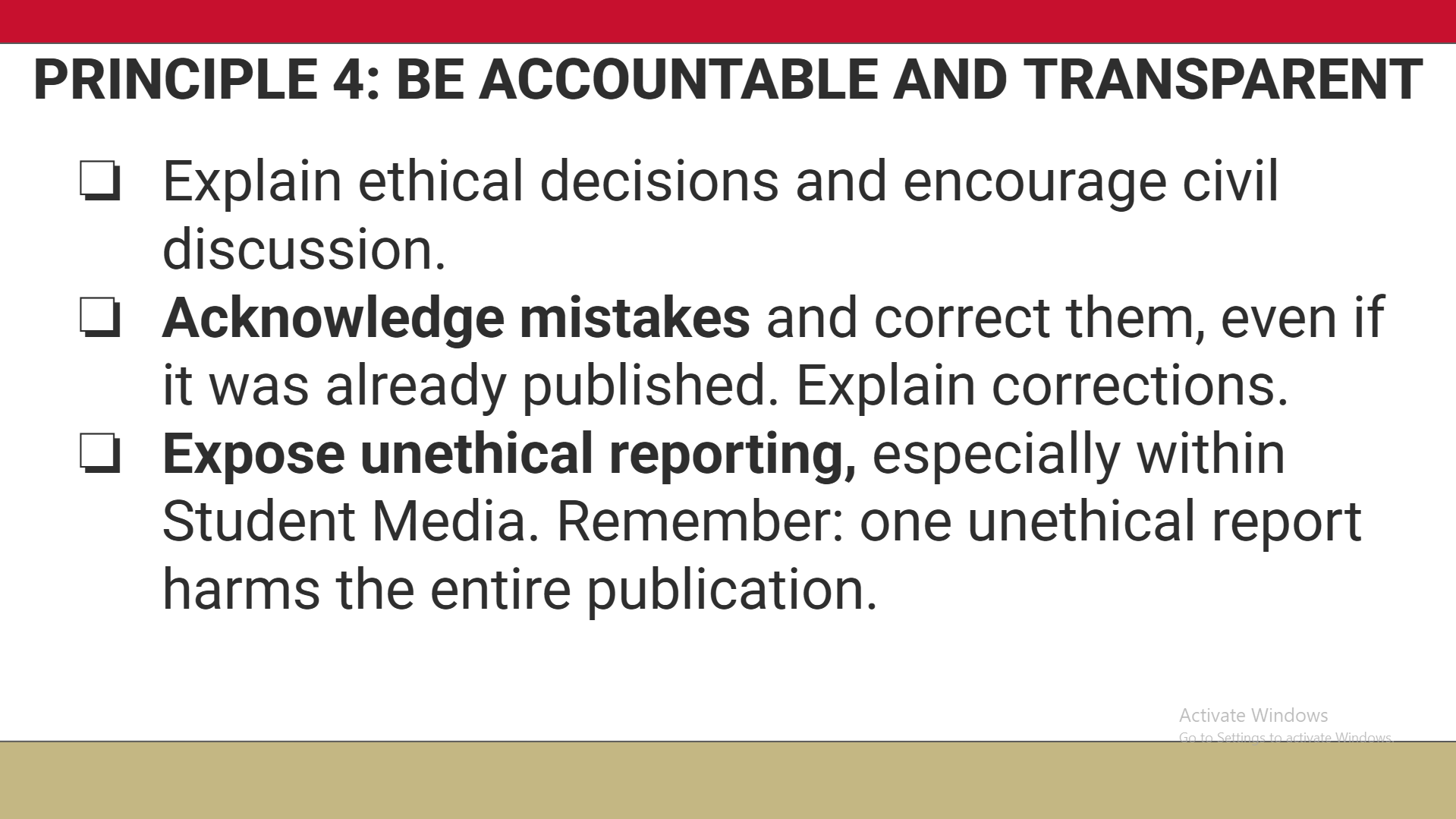
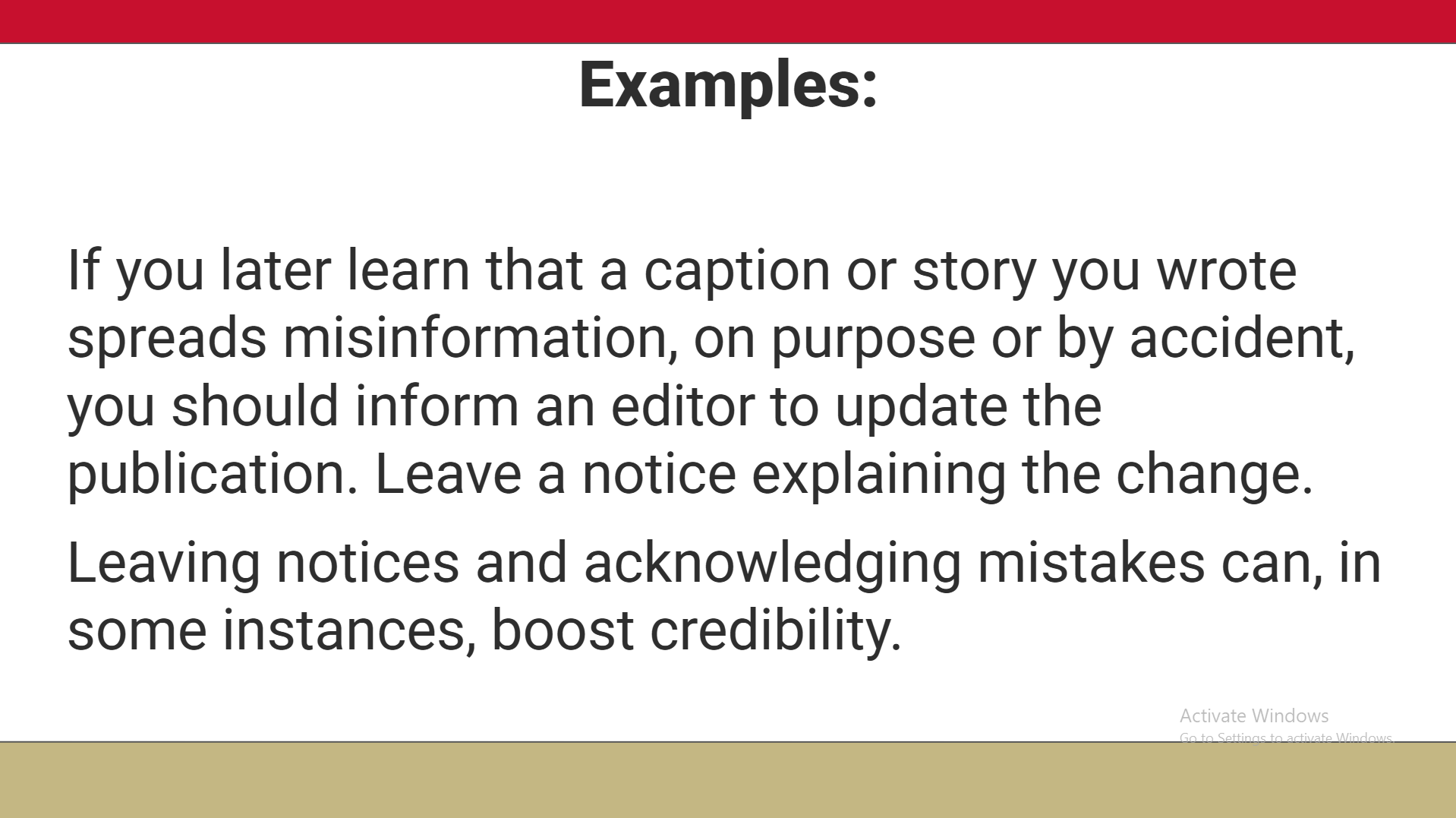
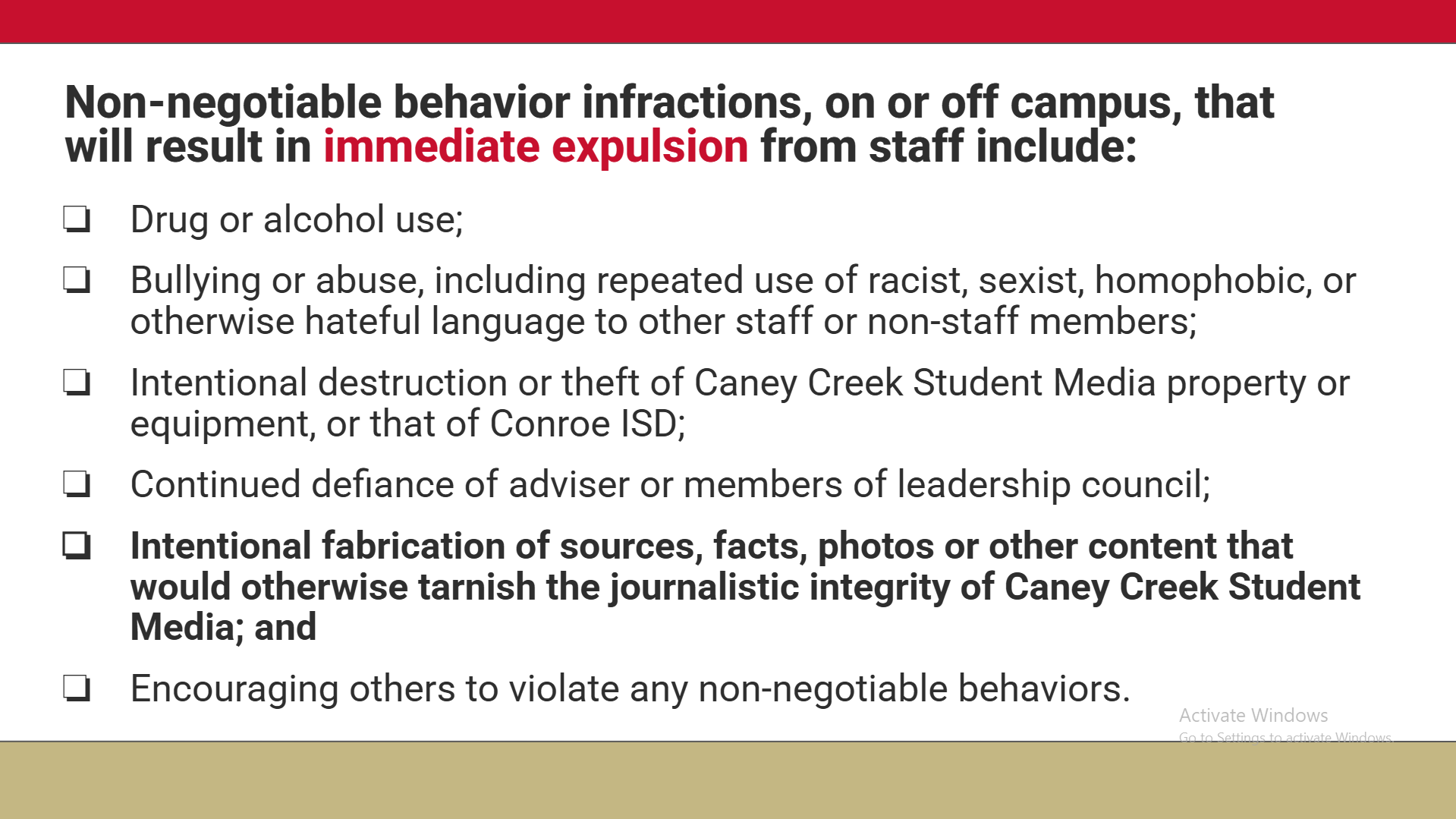
Under deadlines and workloads, I understand it can be easy to loosen ethics, I made this quick lesson to put my staff back on track. Multiple editor-in-chiefs approached me during our November leadership council meeting complaining about misused photoshop tools and questionable crops. I intended to handle those instances one-on-one, but broke when I found out multiple staffers attempted to make up quotes before they were caught by their editors. Rather than reiterating what we’d previously taught, I made an interactive presentation on journalism ethics to visualize the importance of the core journalism principles.

Policy reviews & revisions

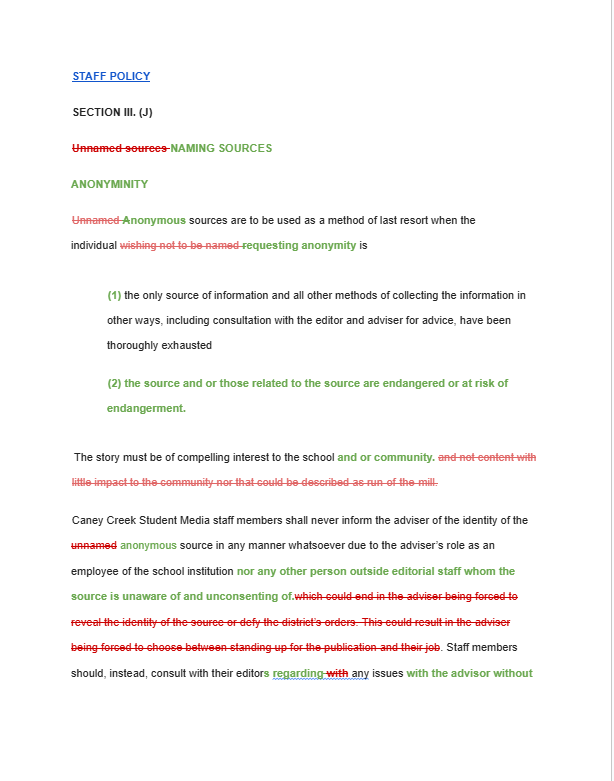
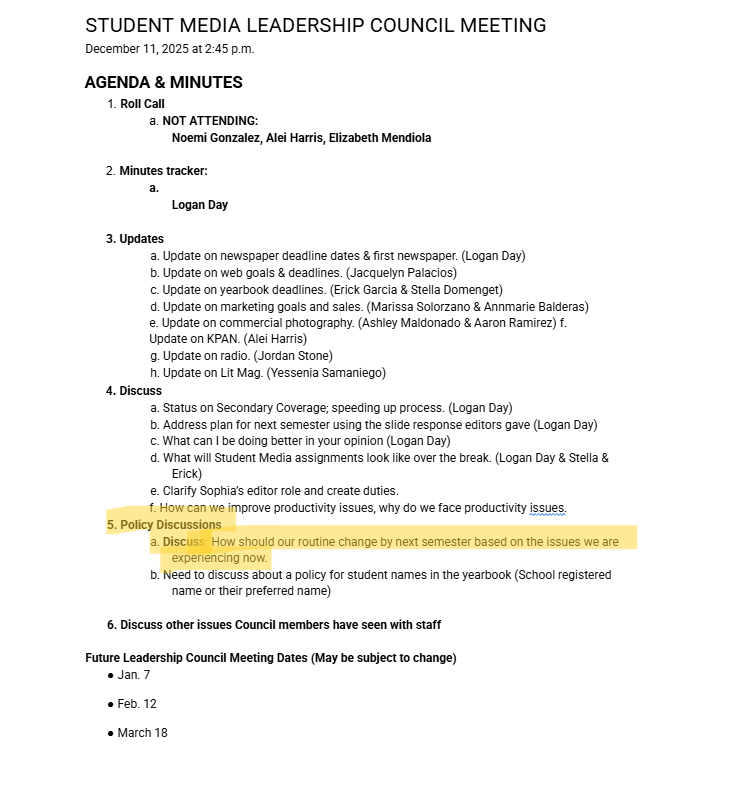
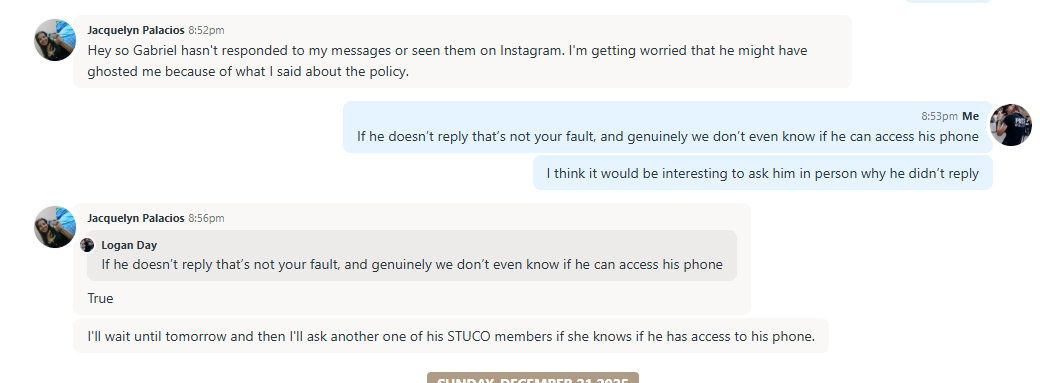
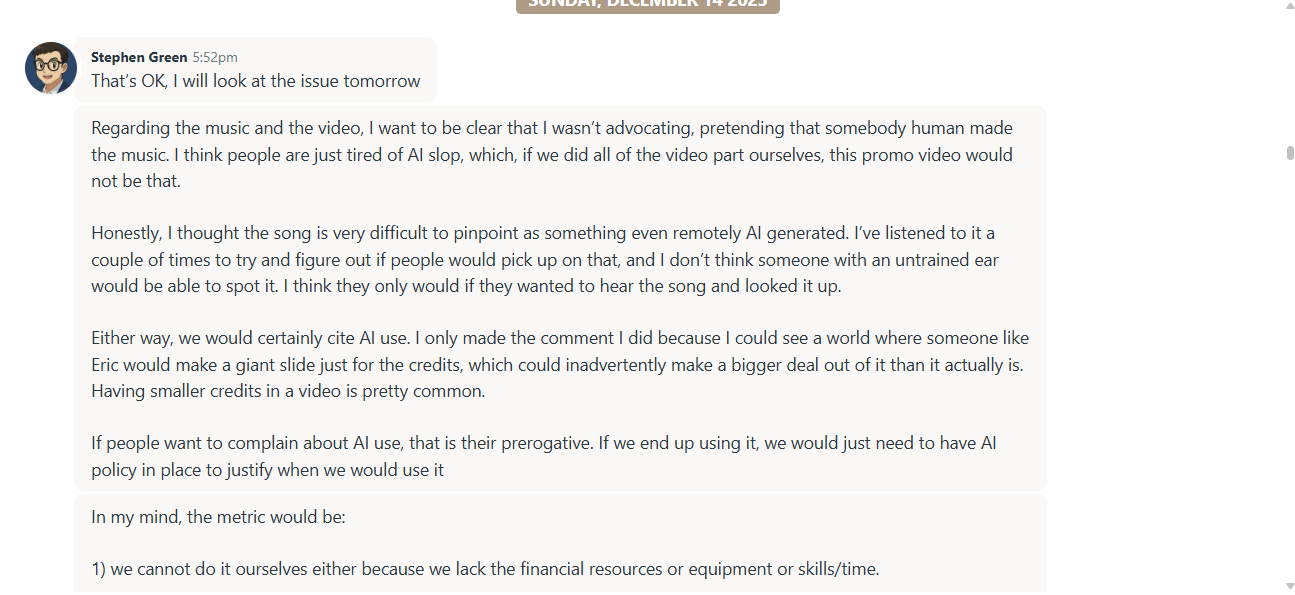
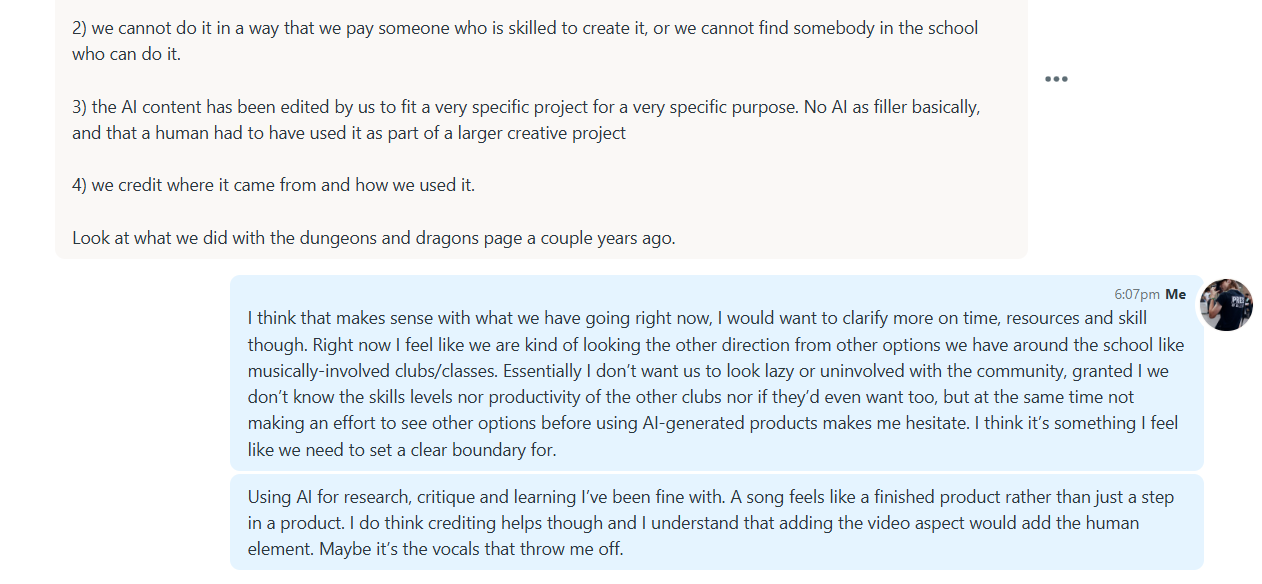
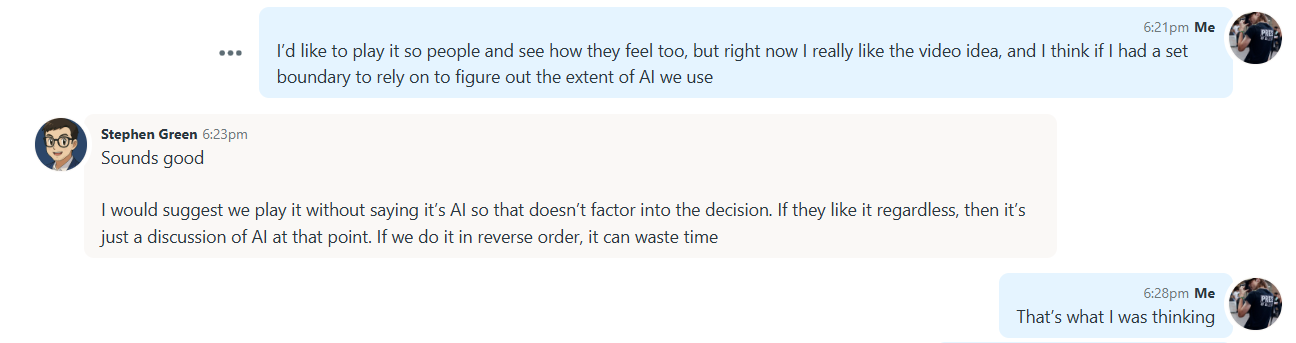
Every monthly editor meeting involves policy discussion at least once. For any policy to enter effect there must be a majority vote with at least half of the editor staff present. Based on the agreed policy terms, I draft the policy updates the next day which are viewable on our online news site. In response to the Texas legislature banning DEI and restricting teachers from use of non-birth-given names, we had to agree on how we would handle students who use another name in the yearbook. By meetings end, we voted 11-0 on an agreed policy to allow use of names separate from birth, but only as long as the name is verified with the students. We required name verification to prevent placing students whose family disapproved of their chosen name at risk.