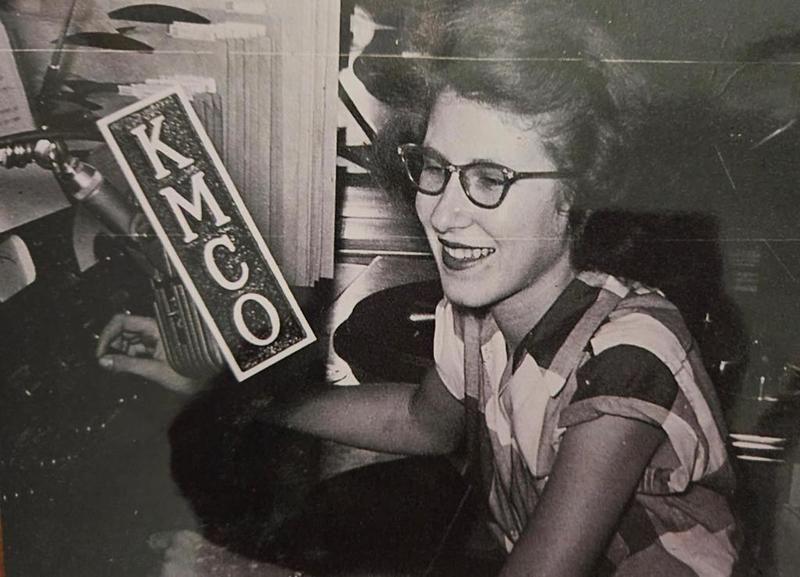
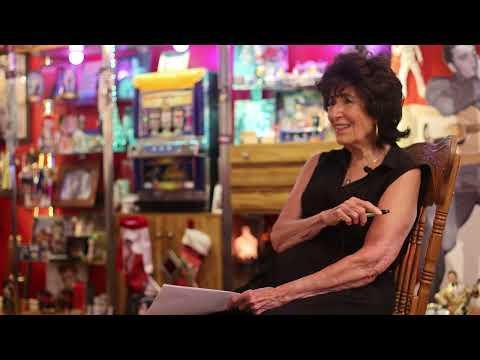
[VIDEO] World's longest serving female DJ Mary McCoy reflects on '50s radio
Video by Logan Day
a good story always remains the same. If you can master telling a story, then you have the building blocks to any form of journalism. Pressing record instead of the shutter-release scared me at first, but, once I started, storytelling through video and audio came naturally.
What I've learned most from the work I've done so far: You can never have enough B-roll.
New skills take first steps. My first steps into broadcast was a big one with an interview with the Guinness Book World Record holder’s oldest female radio show host, Mary McCoy. Houston Chronicle reporter Sondra Hernandez provided McCoy's information, and, on somewhat impulse, I took this chance to finally click record. Yes, I wrote a story as well, but you can't tell such a visual- and audio-centered story without incorporating both.
I did the best I could with my two weeks of videography training under my belt. The video spreads across two interviews, one at her home and one at the radio station.
Learning along the way brought stacks of mistakes but, this video was about taking a step in a new direction, going outside my comfort zone and reporting.
That's what journalism takes.
Recognition: Best of SNO
This was the first interview I did after spending the last five weeks writing my opioid epidemic column series. I felt nervous and rusty.
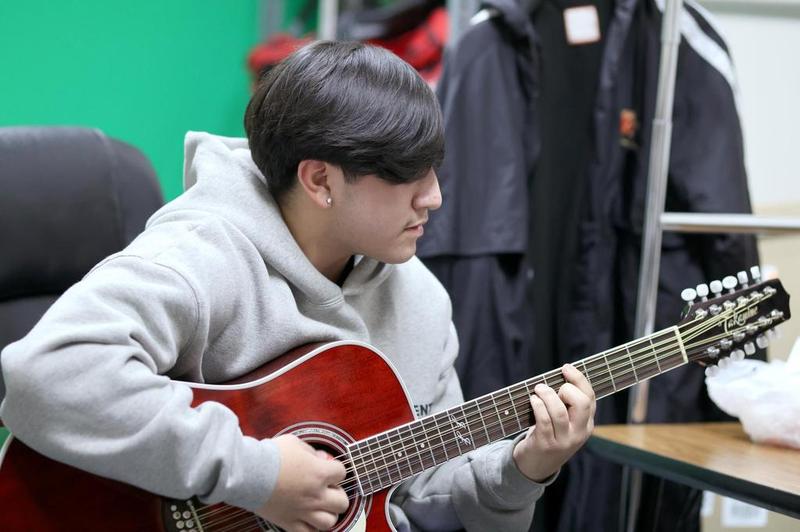
Sophomore Santiago Enriquez played his own music on the record after an hour-long interview I planned to use for his writing-feature and radio-feature.
The story broke my rust as I hoped, but more so, reminded me why I do journalism: people. As we spoke, Enriquez mentioned he was looking for platforms to share his music so I invited him, and anyone else on the guitar club, to play on-air for our radio station. It was a chance for readers to hear Enriquez art, while also being a platform for my community.
Recognition: Best of SNO
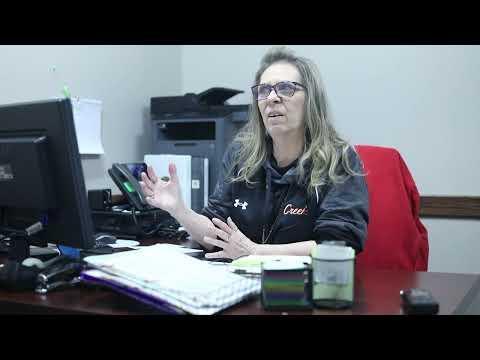
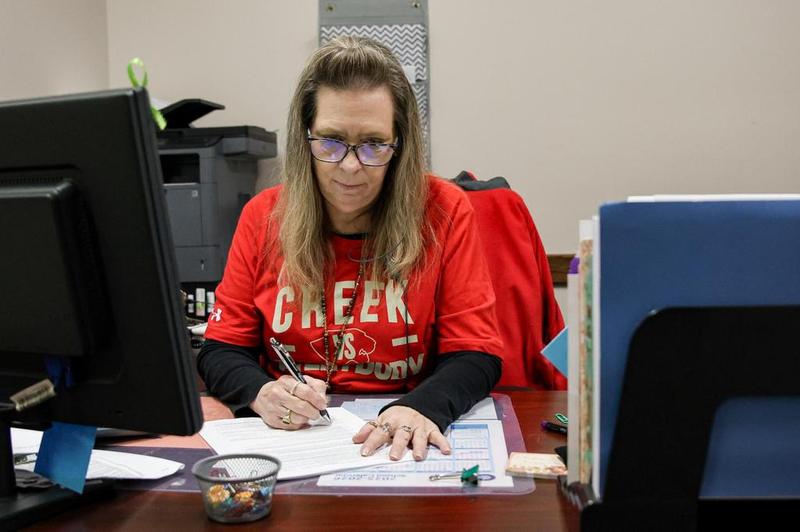
Secretary of 30-years Darla Youngblood did not like to be recorded. She spent three days straight ducking all my emails, but through some sweet-talk, she agreed to let me record.
The interview went well, except for the fact the microphone died and made all the footage useless. All the color in my face left. I knew I had to send that embarrassing email to request another recording.
Luckily she replied to that one, and I was able to collect the footage. Journalism is about problem solving on-the-fly, and sometimes that means entering uncomfortable situations.
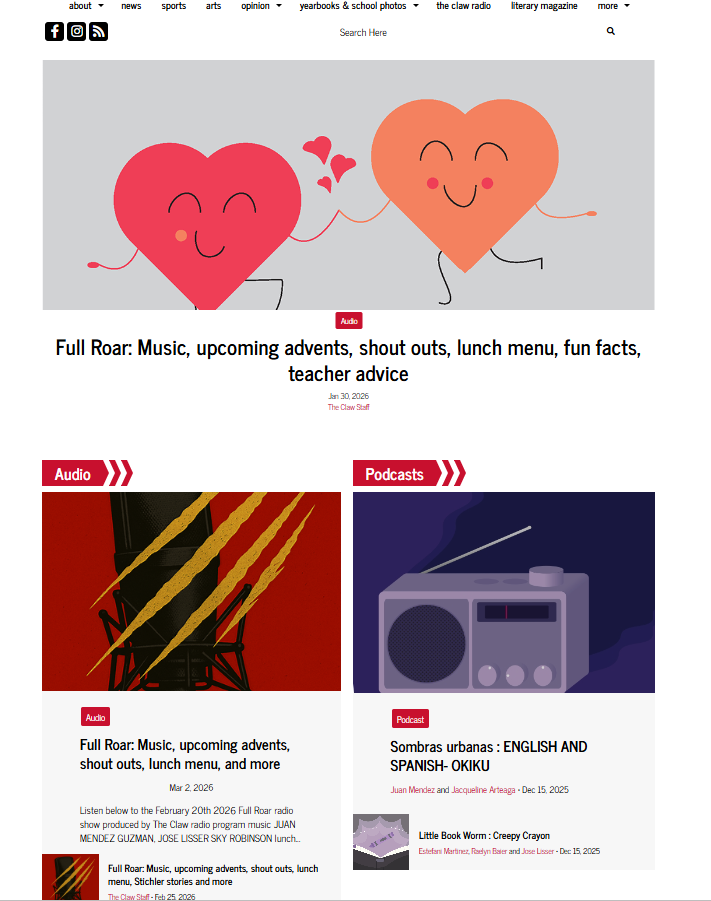
This year the audio-video class asked Student Media to assist them in publishing the school’s first radio show. I agreed to be a mentor and got to work setting up their end of the website.
The radio team had a passion for sound, but lacked journalistic knowledge, that’s where I stepped in the most. The majority of the team was young and immature. Working with them forced me to practice patience.
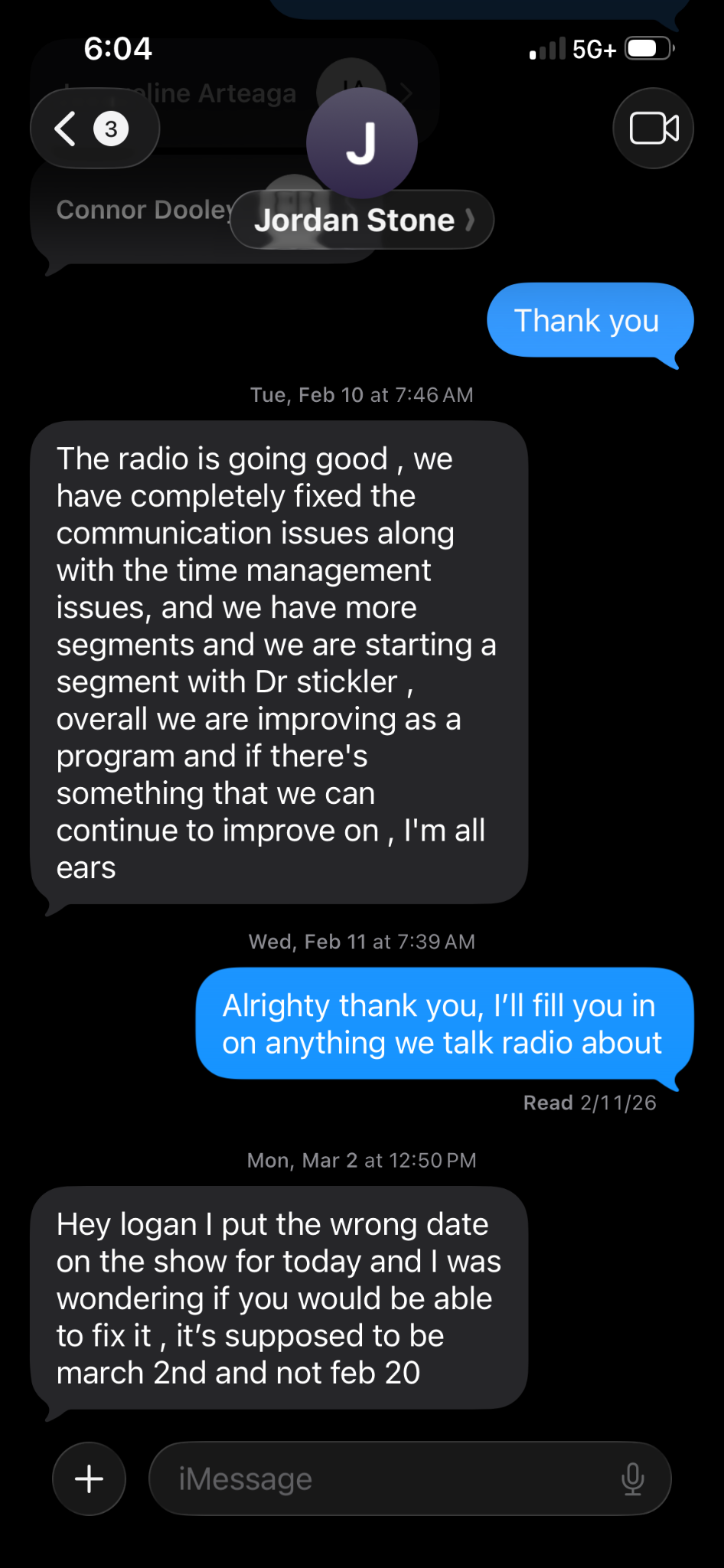
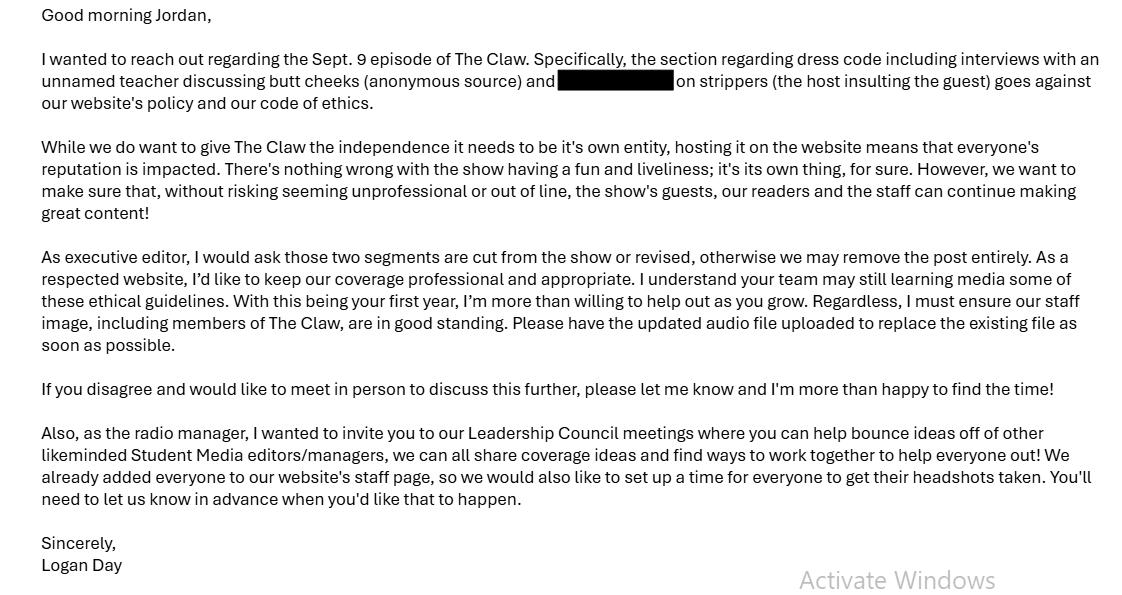
At one point I had to take down one of their episodes for posting inappropriate topics. Radio Editor-in-Chief Jordan Stone was understanding and I've since mentored them to improve interviews, micrcophone quality and understand what makes a story.
The team is still new and quality could always be better, but they’ve improved over the year and that’s what matters to me.
To learn more about how I encourage students to share their voice, visit the Marketing and Audience Engagement Page.