Photojournalism

PHOTOGRAPHY IS

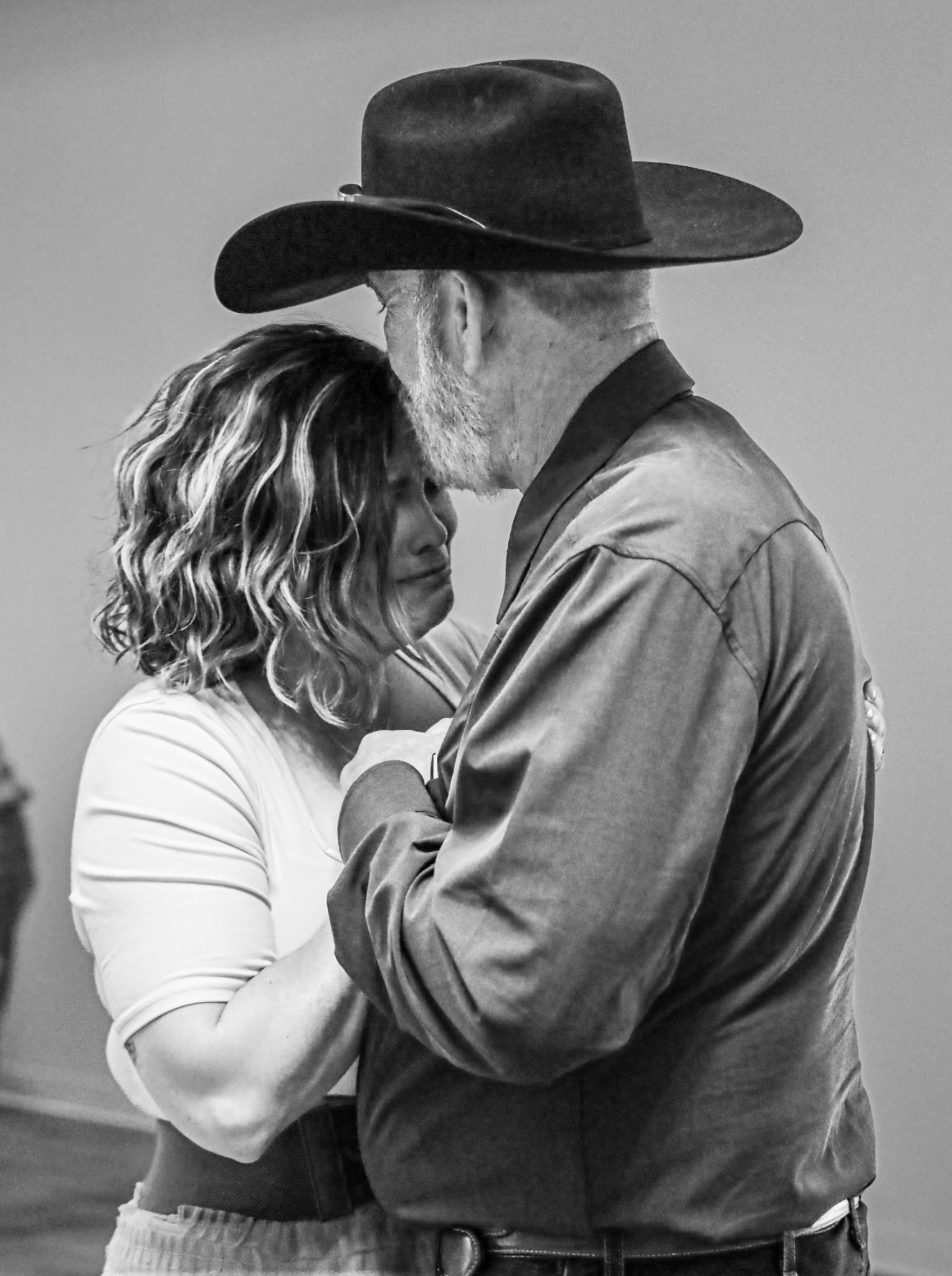
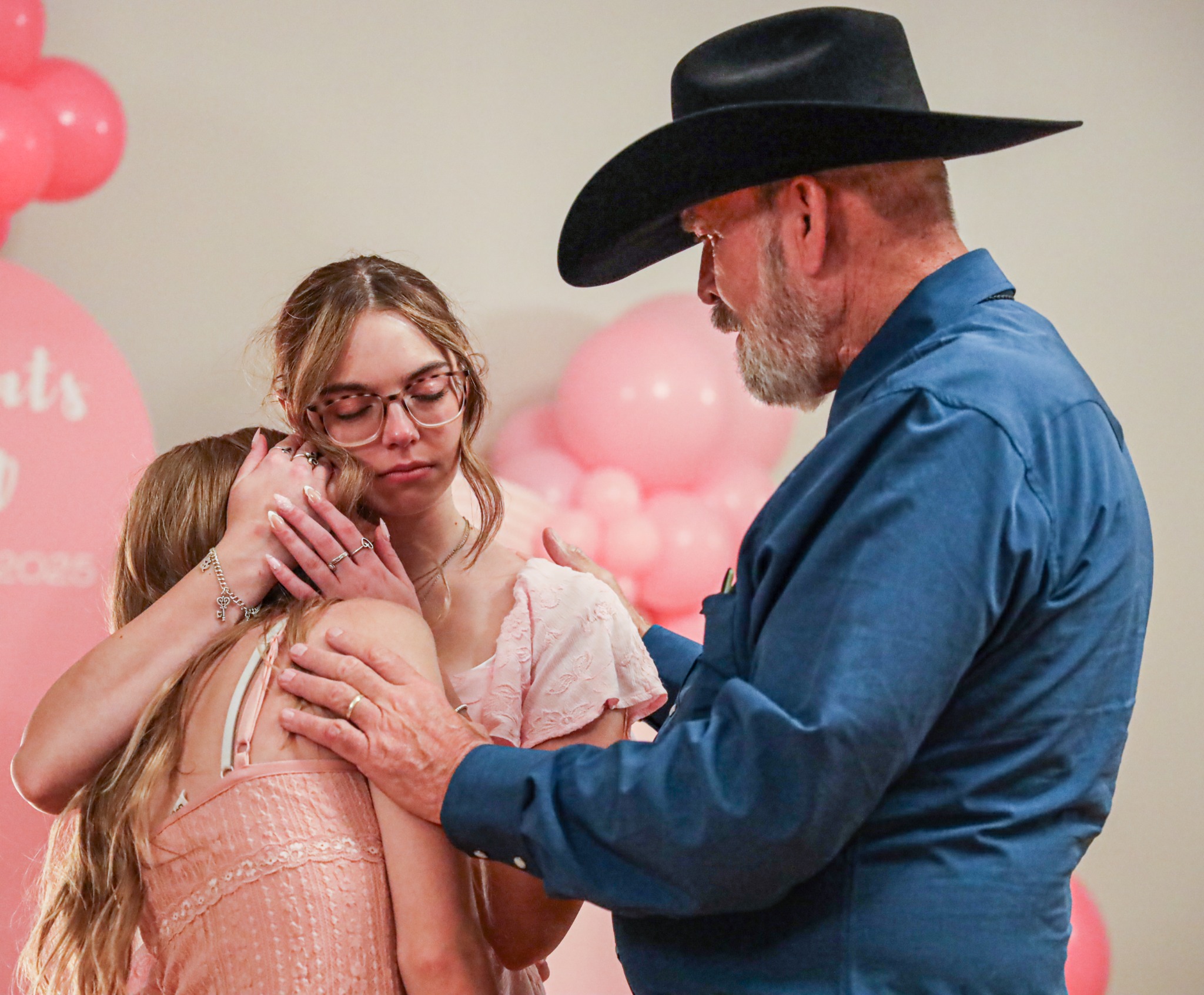
capturing power, emotion and narrative in a single moment frozen in time. Photojournalism was my entrance into the reporting industry, and while I've expanded beyond, I always find my way back to a camera. People are right when they say "take a photo; it lasts longer."

Get Started

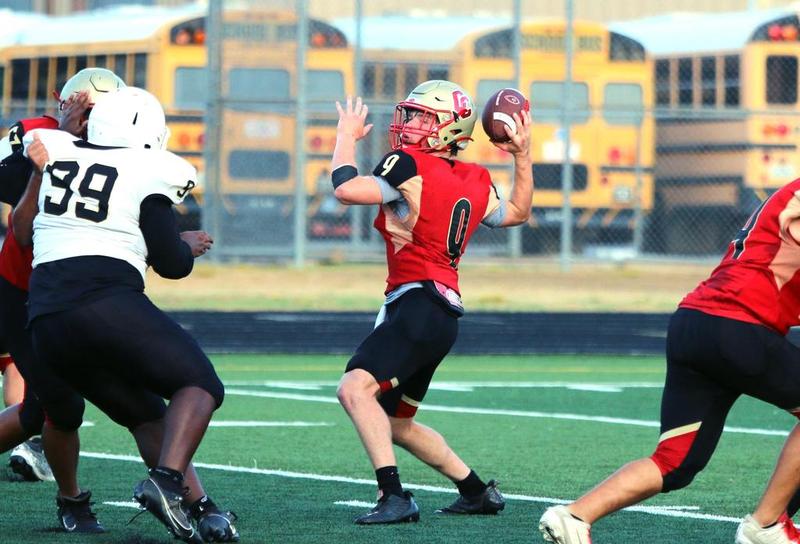
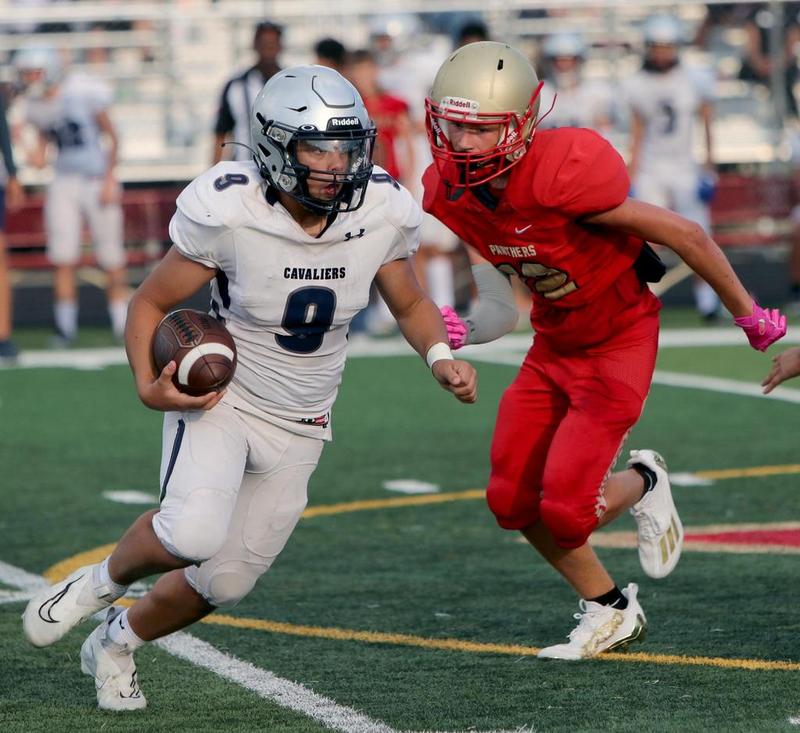
I first hopped aboard Student Media as a JV football photographer. I chose football because I had a sense of familiarity, having been raised watching and playing the sport. 

My photos were amateur at the time, but the experience built a foundational understanding to step out of my comfort into the angles others hesitate to. It also helped me understand the errors beginning photojournalists make. 

But I soon learned photography is about unfamiliarity. There are millions of identical, generic football photos my adviser calls, “boy with ball on field photos.” To get those memorable shots, I had to be uncomfortable. I had to stand in places where I felt vulnerable to show the audience a story and angle they haven't seen before. 

Take a Risk

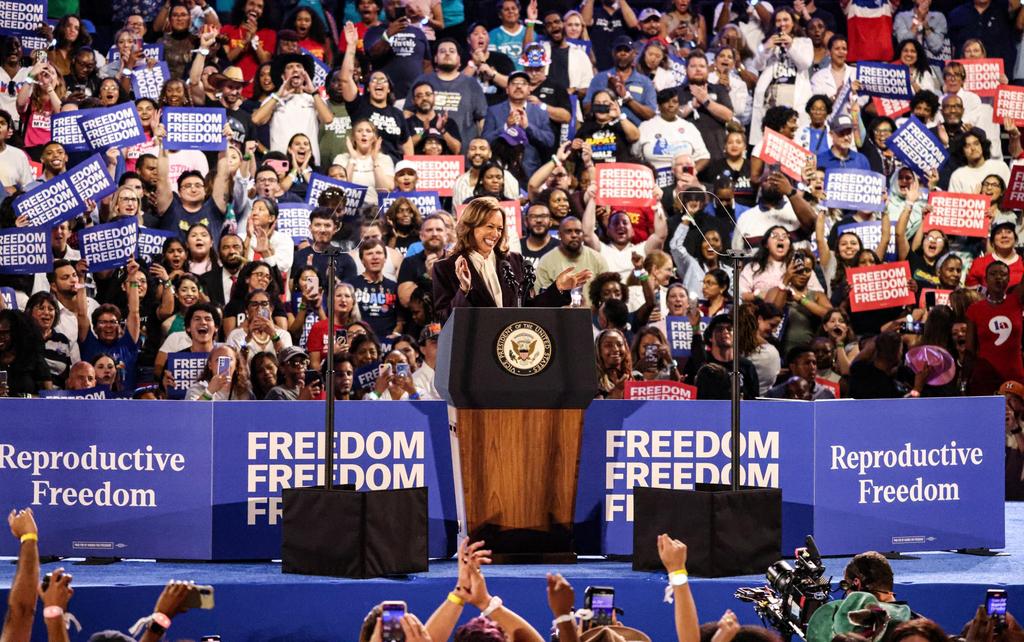
Writing for a local source calls for localization, and more importantly, initiative. What better way to localize the presidential election than in-person reporting on the then-vice president just an hour away in Houston? 

I didn't even take my adviser seriously when he asked if I wanted to report on the Kamala Harris rally at NRG stadium, but of course I agreed. He was serious though and two weeks later I found myself with a press pass around my neck, camera in hand and surrounded by a 30,000-person audience. 

I placed a recorder at my feet for the article I would write later and photographed shoulder-to-shoulder with CNN and CBS reporters. I published the article paired with a gallery later that week.

Expand Coverage

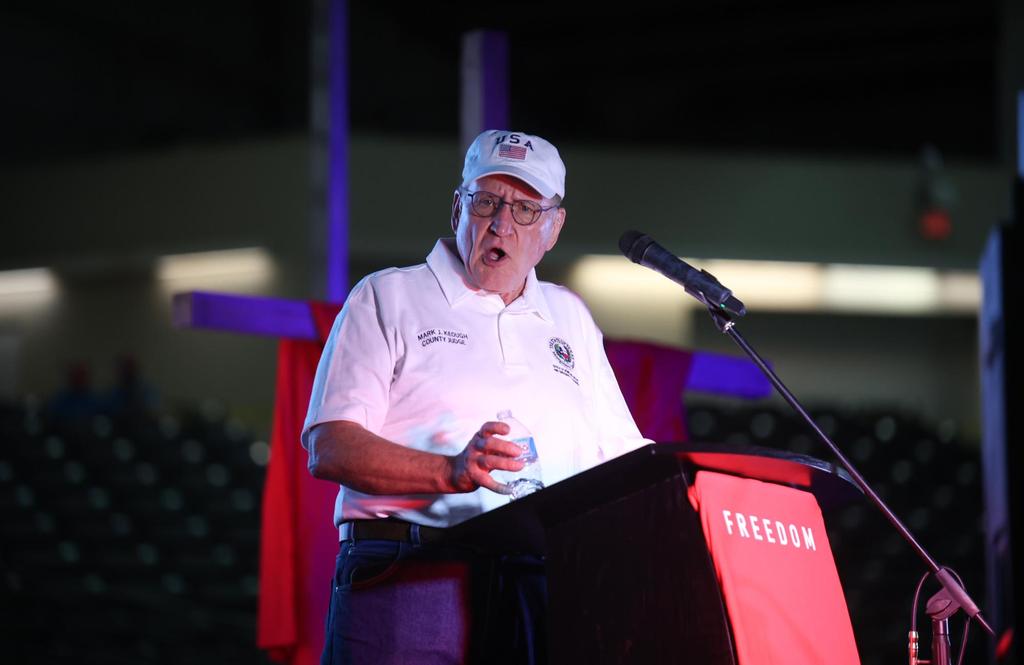
When right-wing activist Charlie Kirk was assassinated in Utah, the shock spread across the country. For Montgomery County – the third most conservative county in Texas, according to the Texas Tribune – that grief leeched everywhere. 

I needed to document it. 

County officials hosted a memorial service, and I jumped to cover it. For the first time independently, I requested press access. Event hosts granted my request, but Dad was the next challenge. 

A Kirk memorial was the last place he wanted me. I convinced him on the day of the event, strapped up and came out with over a thousand photos plus a lesson: to take initiative and stand my ground as a reporter


Recognition:
Best of SNO

Grow Confident

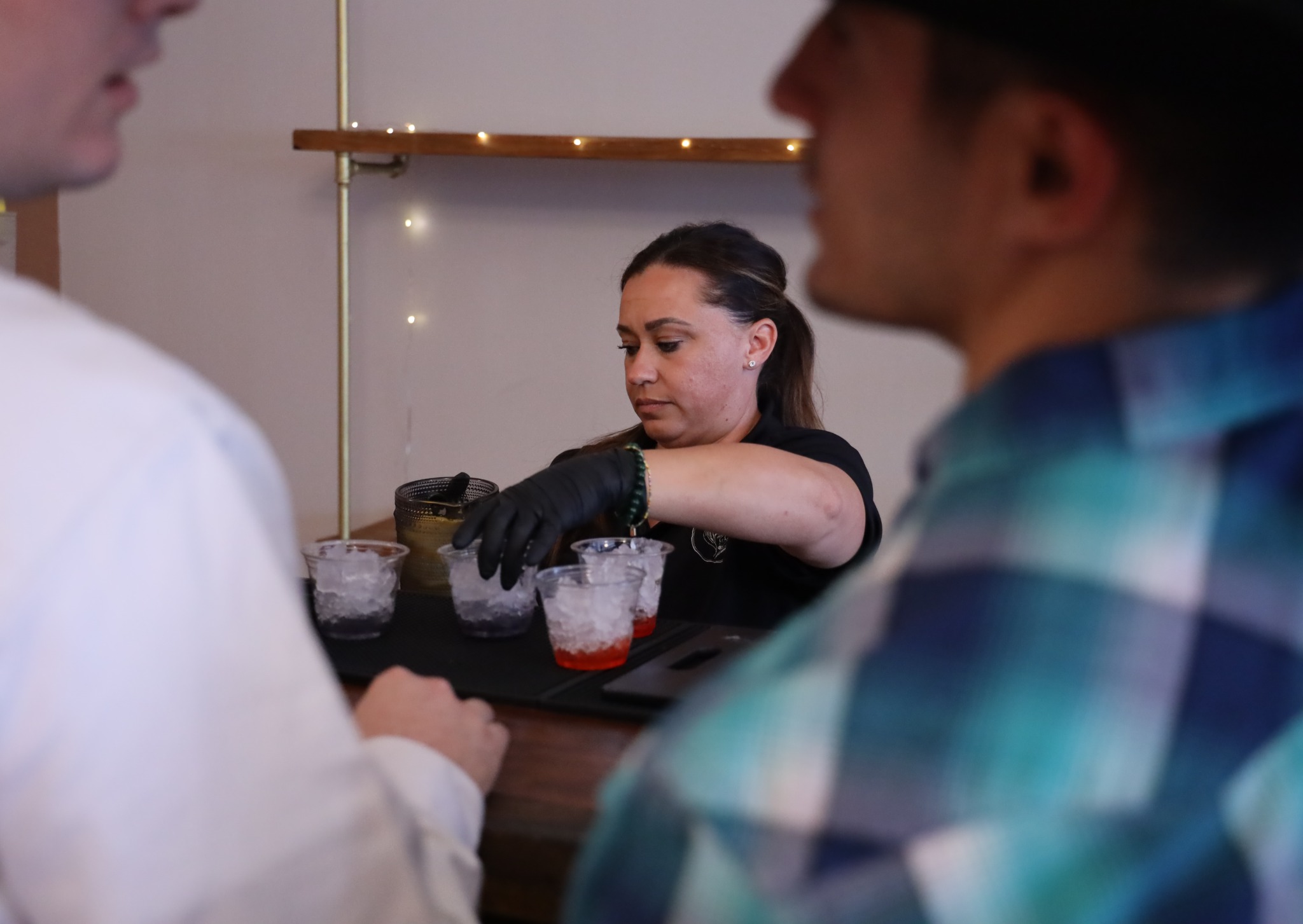
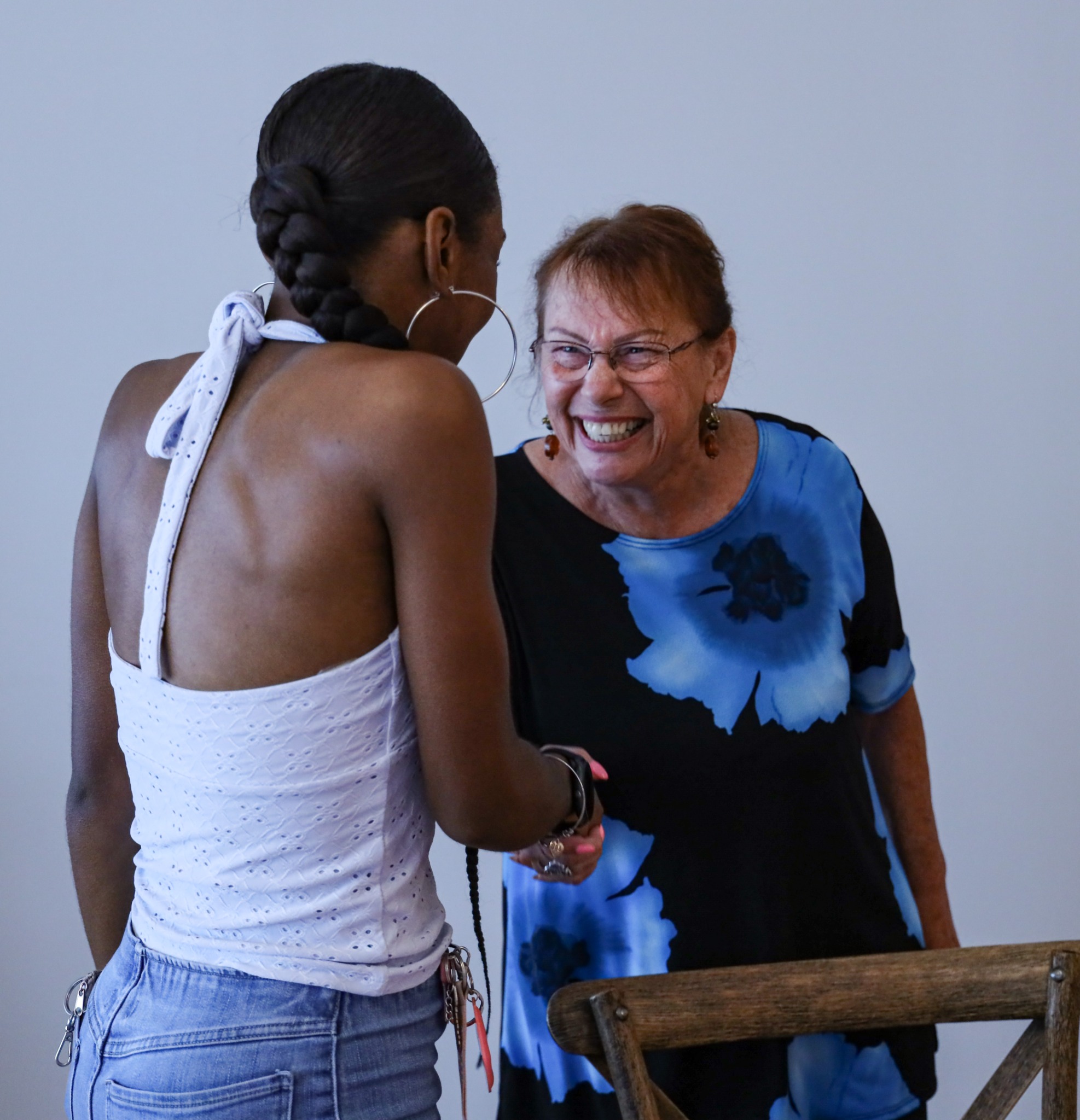
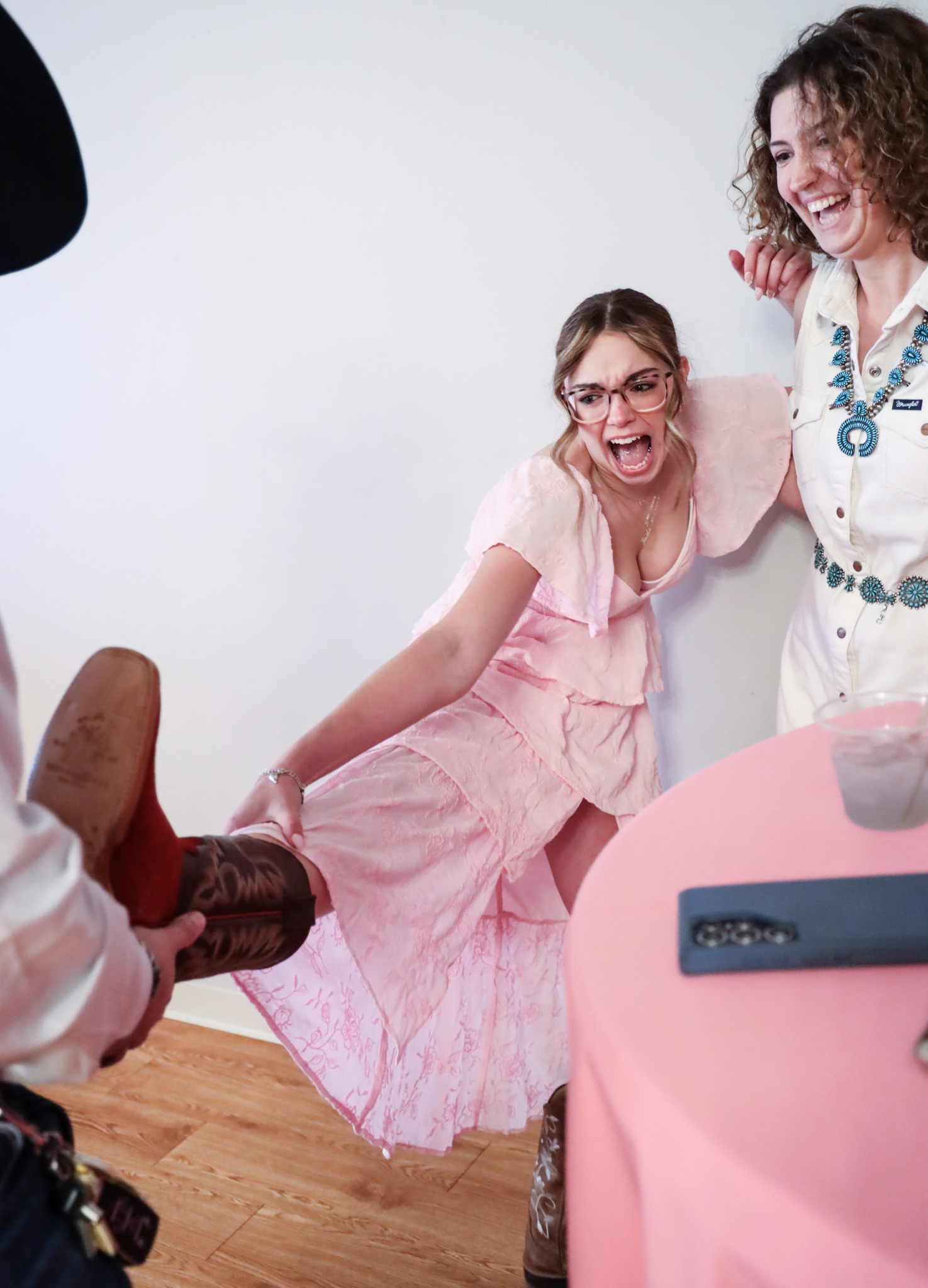
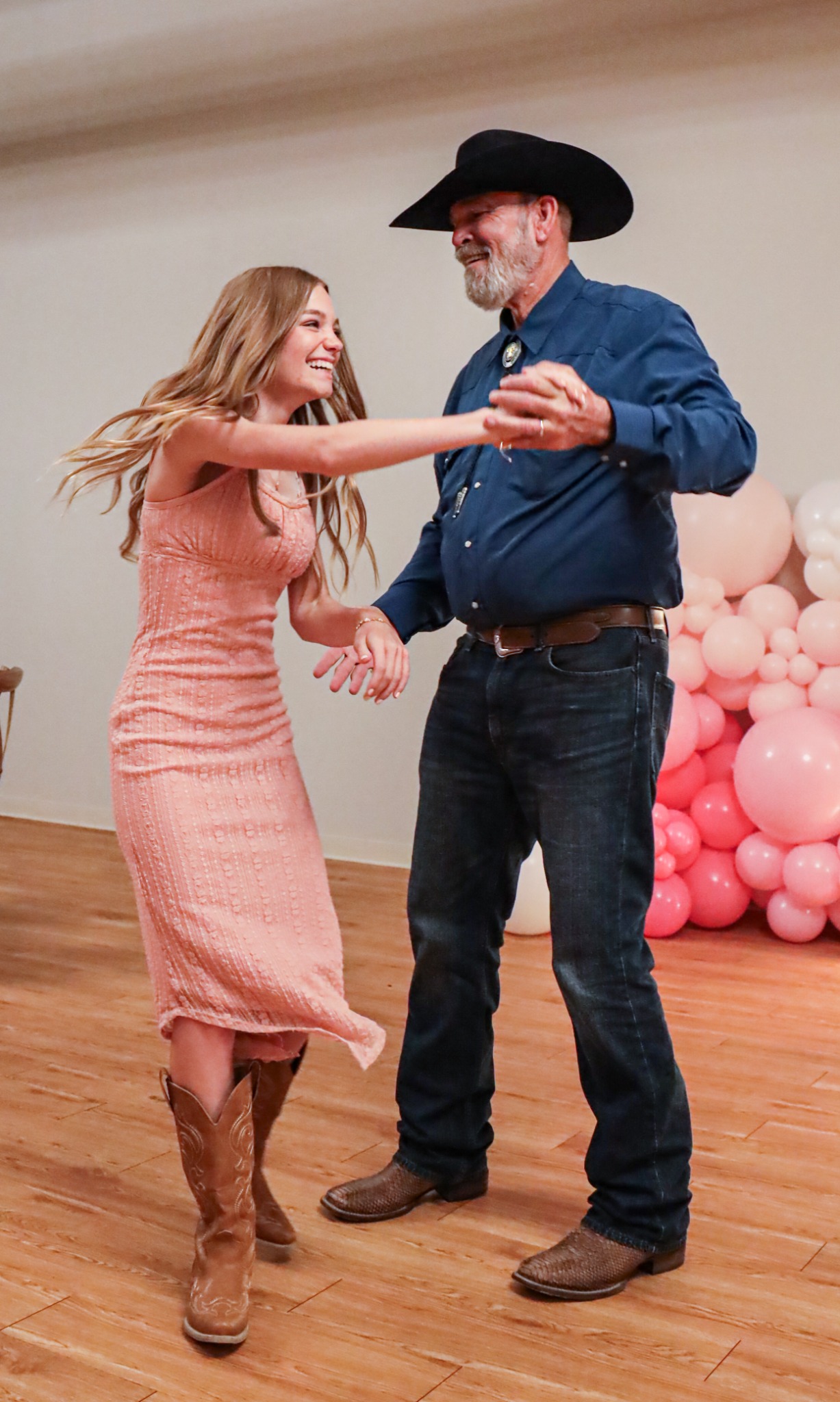
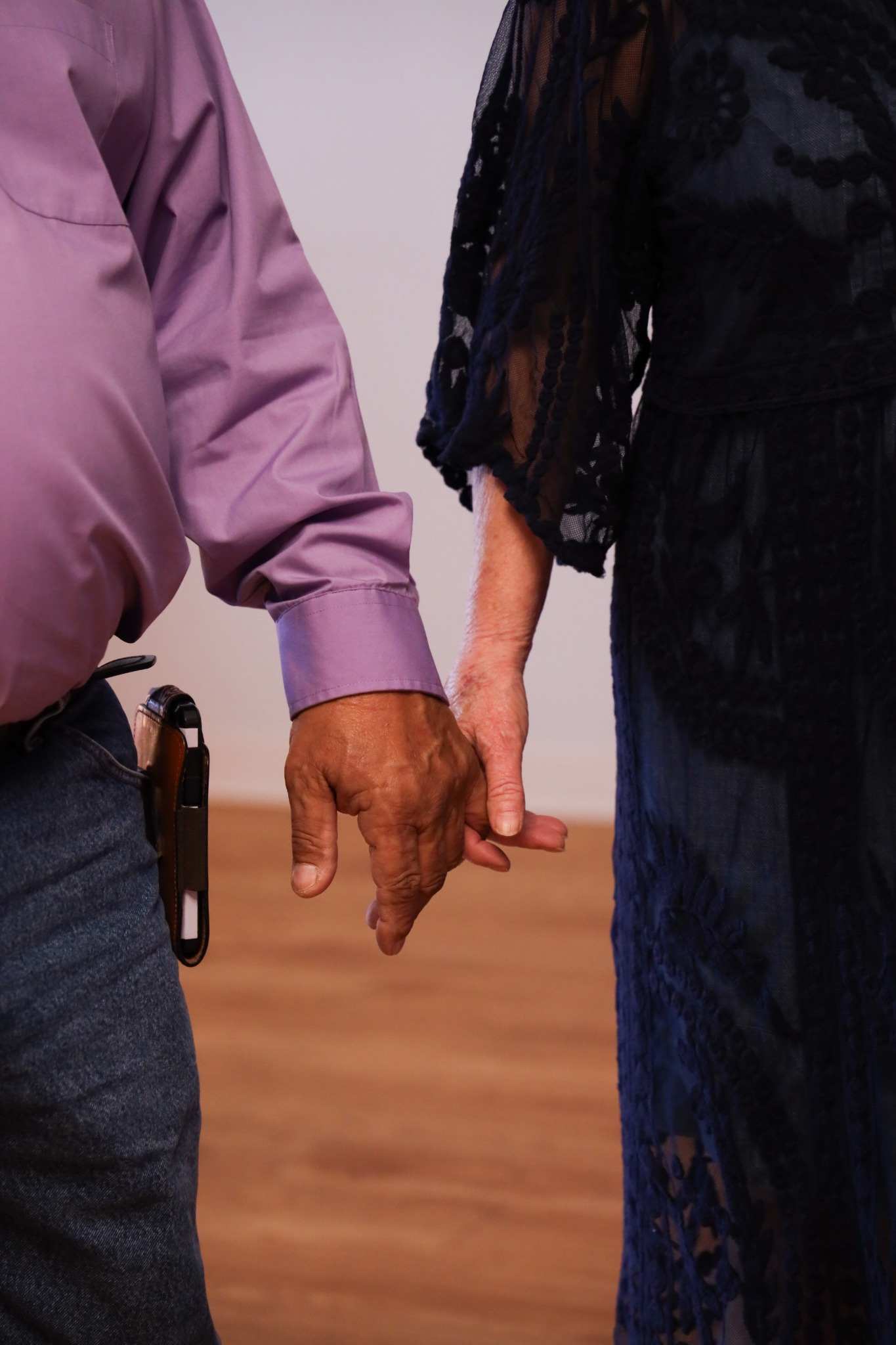
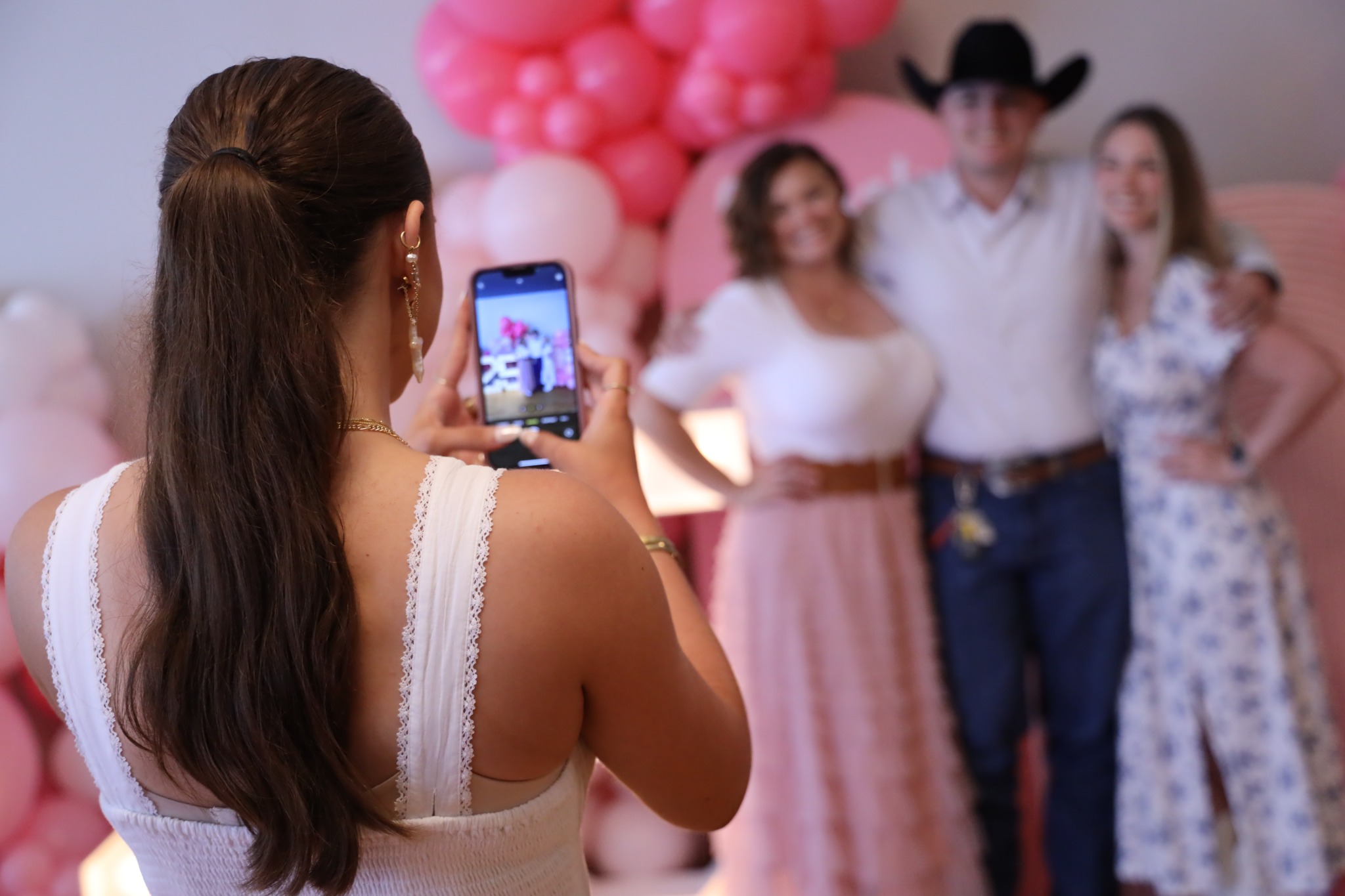
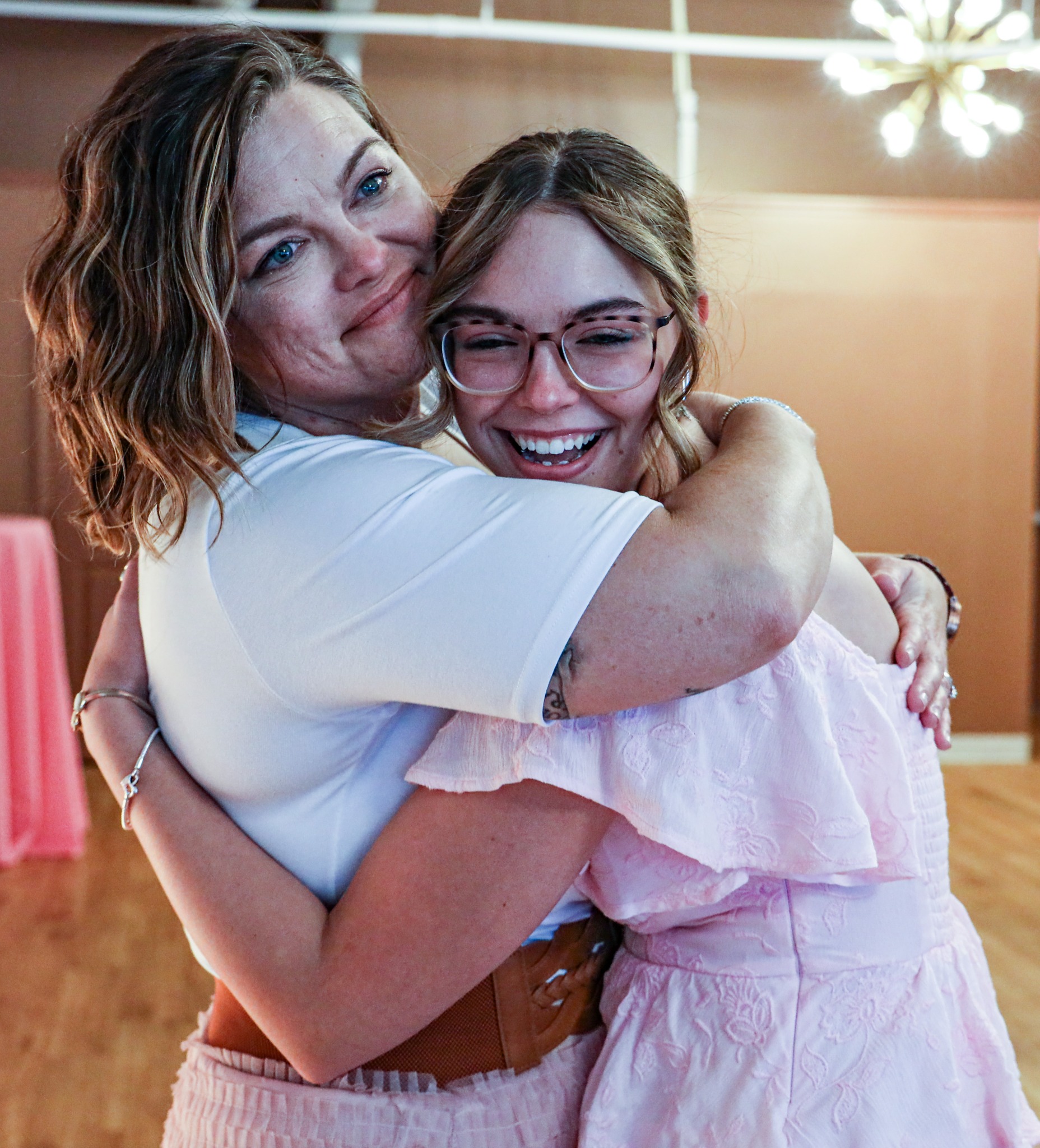
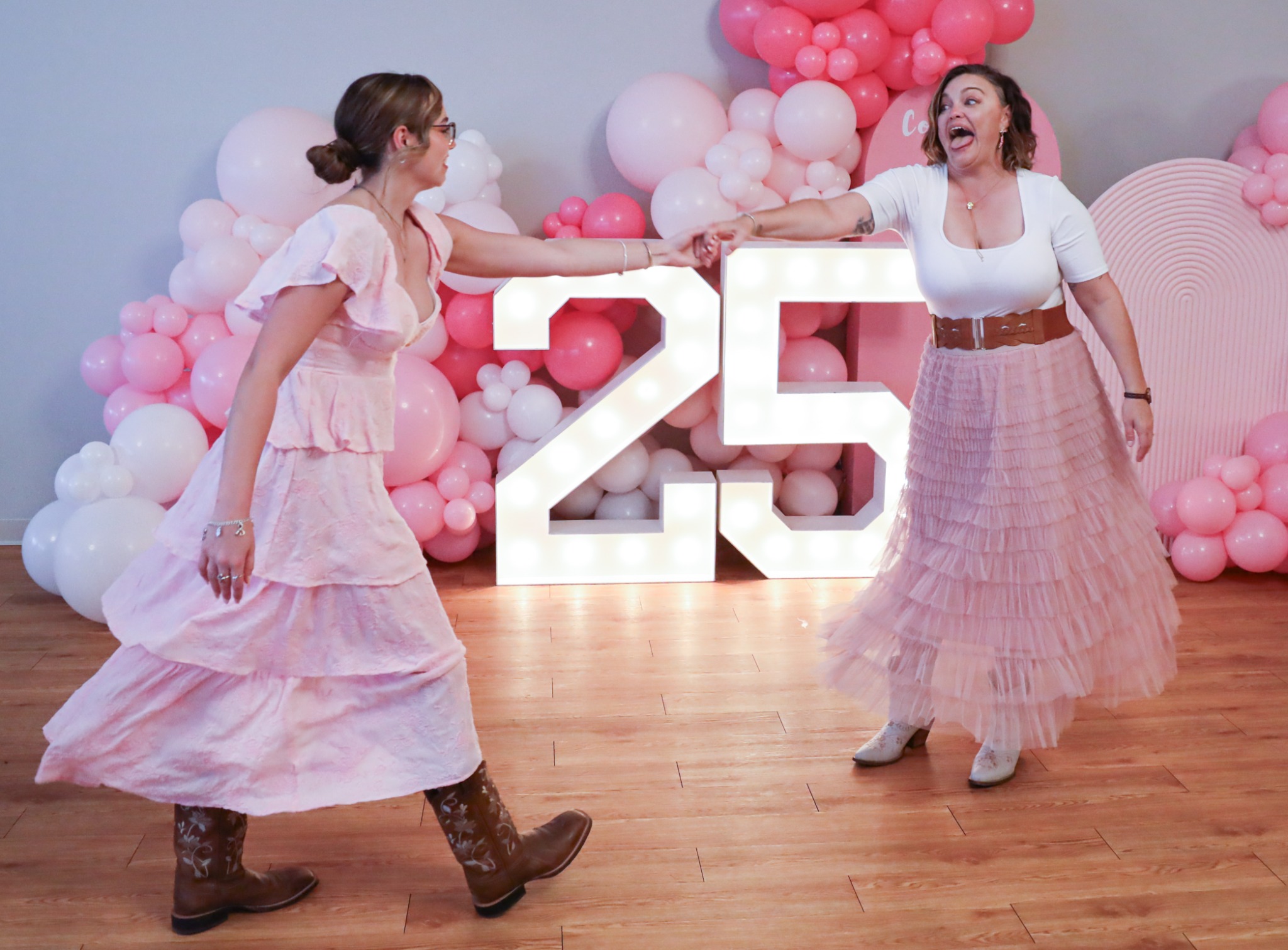
I ended junior year with what I expected to be quiet photoshoot for a graduation party. But that photoshoot was everything but quiet. 

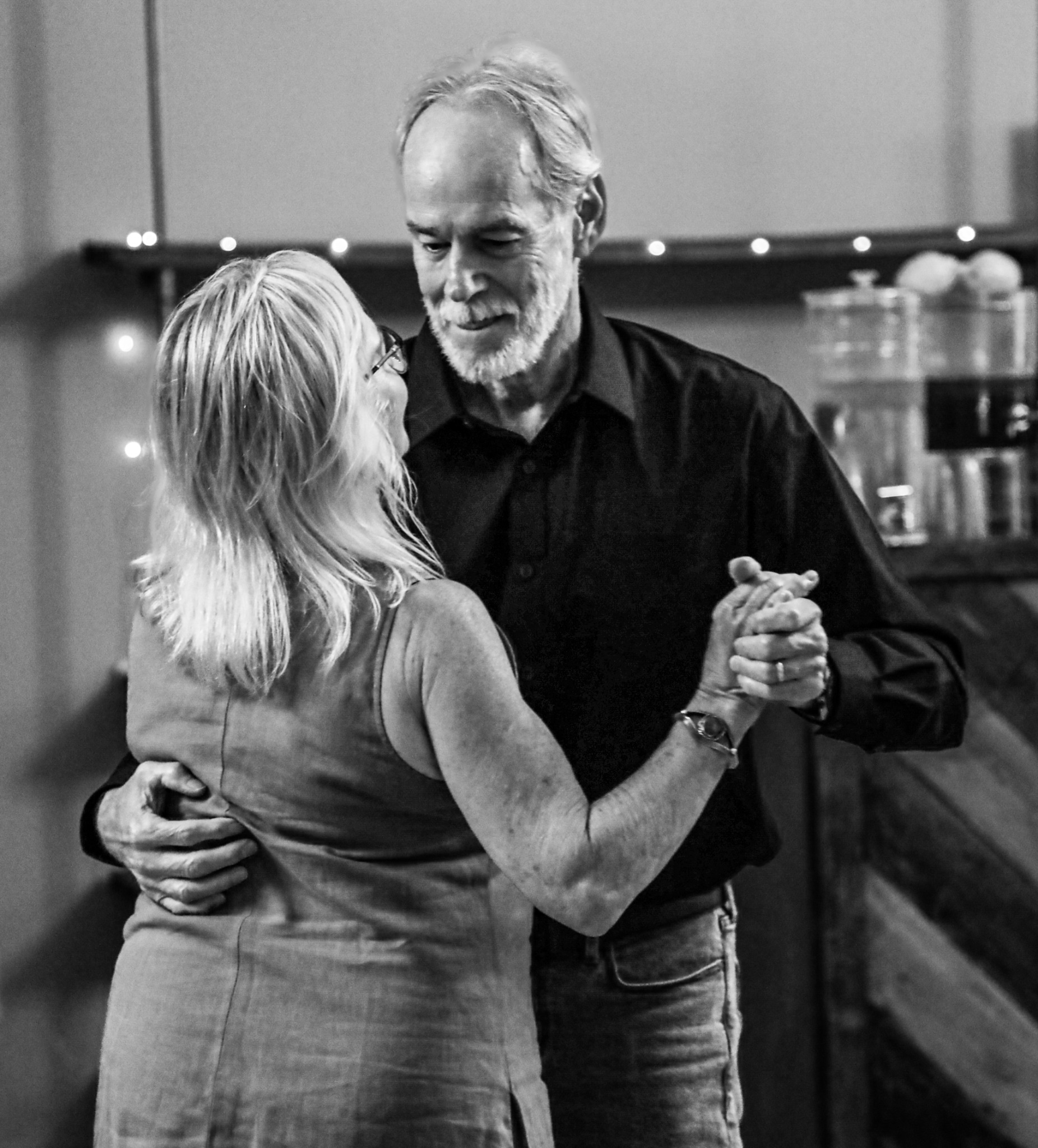
The room overflowed with stories to capture. Family members shouting, drinks splashing and groups dancing. For three hours I stuck my face behind that viewfinder and shot away. 

That was the easy part, the hard part was building the confidence to select photos. 

I spent more time deciding on the defining photos than I did taking them. Every bit of work paid off when the graduate's Mom cried joyful tears after I presented the photos, free of charge.

Learn Control

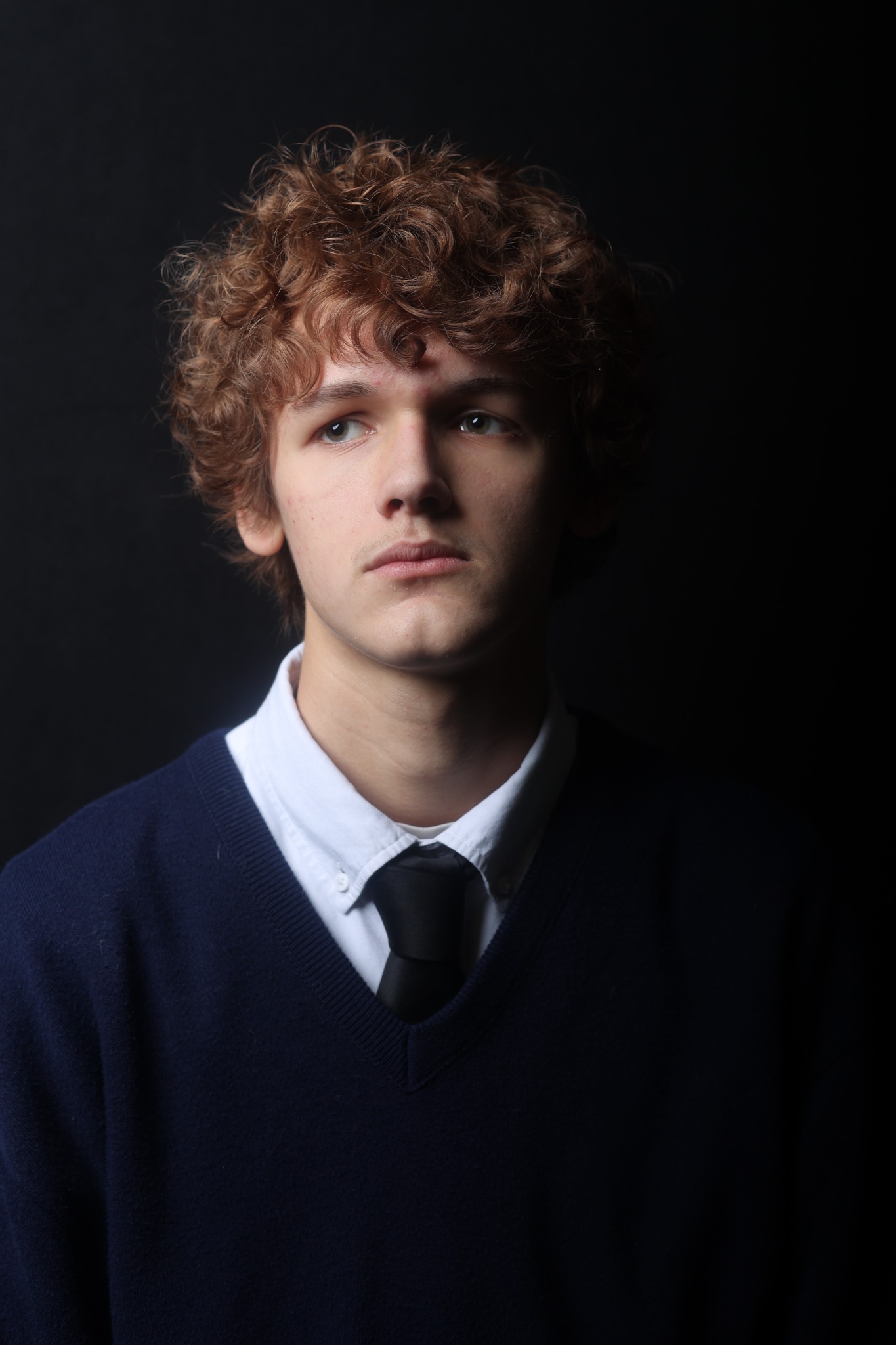
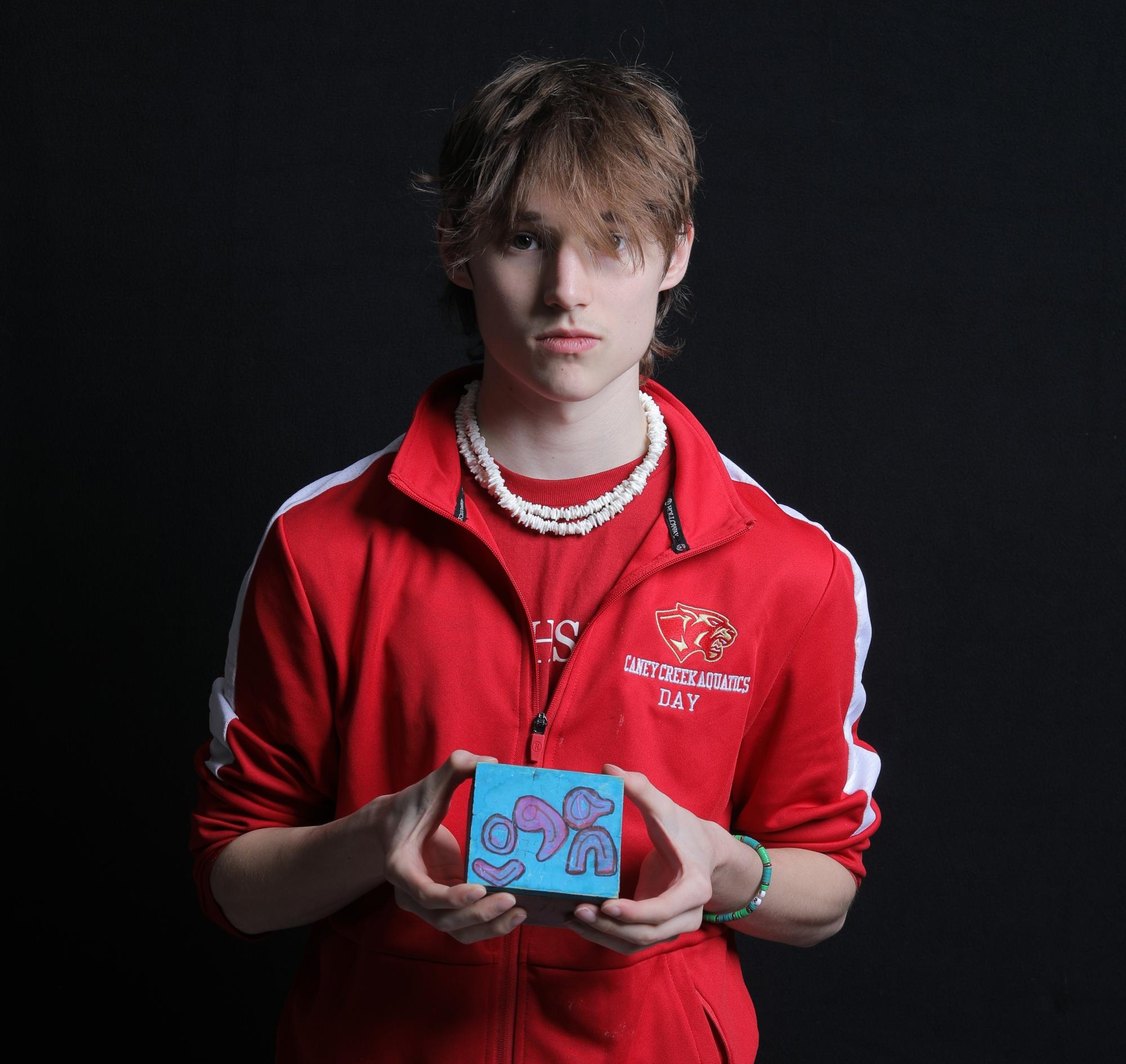
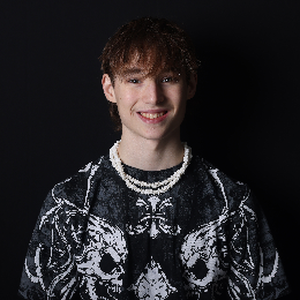
Since I started photography through a journalistic lens, I began taking studio portraits later in my career. 

My first photo I orchestrated was a self-portrait for my opioid personal column series. Taking a studio shot was sharply different from the classic candid shots I was comfortable with. If I messed up, there were no excuses. 

I controlled everything in the photo.  Every detail is intentional, and that’s the power of portrait photography. 

It’s an art and taking the chance to learn it this year built a new found respect for portrait photographers and their work.