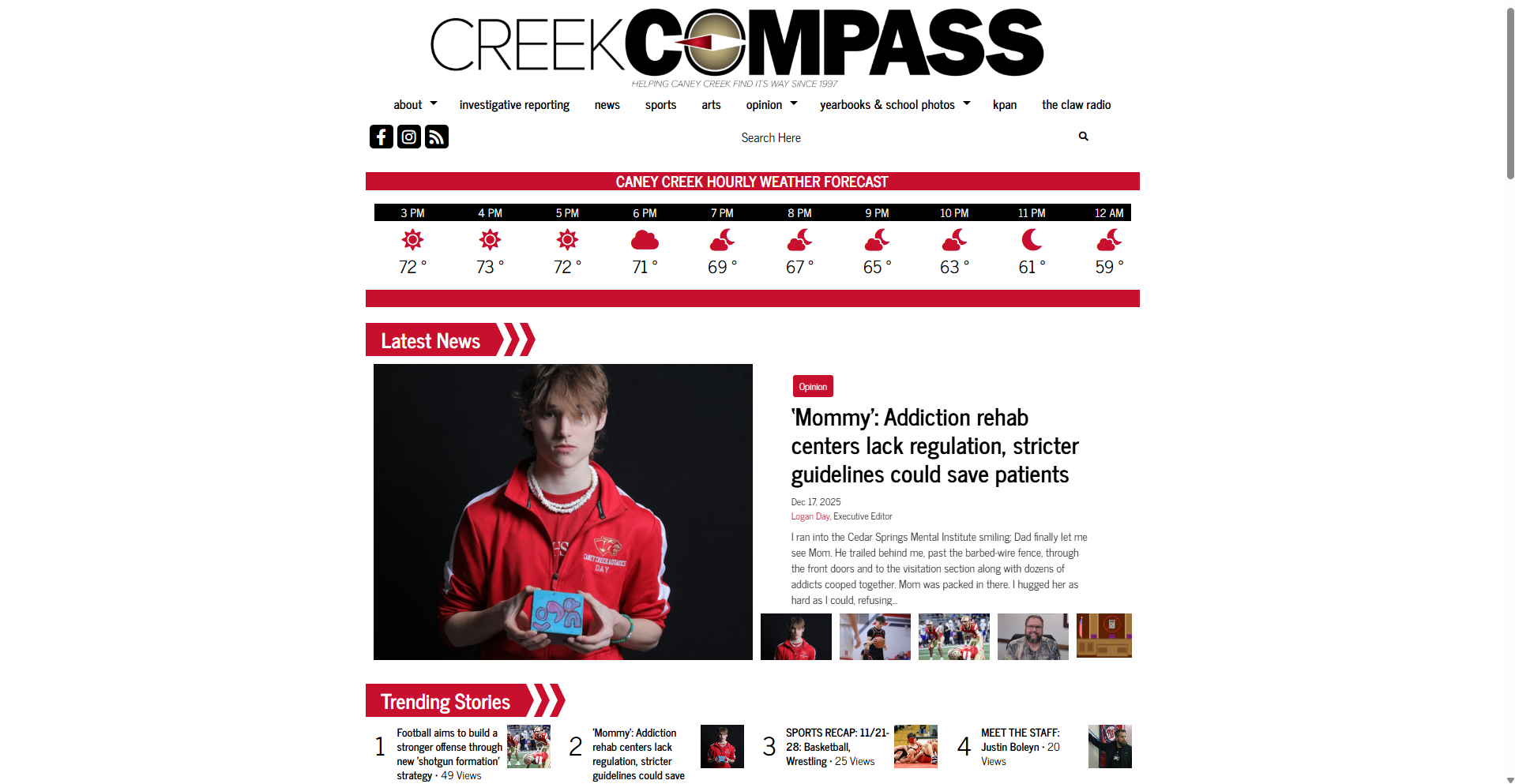
the new front page. Information and storytelling changes shape as society and technology does. Journalists must adapt too or risk going the way of print news. Social media are the current and future source of information consumption, and newsrooms must keep up — and keep up organically to those platforms.
That doesn't mean trashing existing publications like print or web, rather incorporating new forms of storytelling to elevate coverage.
Recognition: 2025 ILPC gold star award, 2025 CSPA silver crown award & 2026 crown recipient; 2025 TAJE 4th best of show, Fall Fiesta
My 2023-2024 editors created an unforgettable newsroom environment. That staff won our publication's first Pacemaker for yearbook. I wanted to go beyond their success.
Last year felt like the opposite with weak communication and contagious unproductivity. In December, editors met to solve our newsroom crisis. I left that meeting with my first editor-in-chief title jointly the website with the other. With a burst of motivation I upended our web-production system and took over reporter management.
The energy spread across reporters and contributed to what my adviser described as Student Media’s strongest year for writing...and the district's first web Crown Award, which we earned again this year.
To learn more about how I designed and work the website, visit the Design Page.
With the rise of AI and social media, I’m told time and time again that journalism will die. I disagree.
While I yearn for tried-and-true print news, the future of journalism lives through social media. I acknowledged this and treated social media editor as an "in-chief" position, after taking a bonus course on social media reporting at the Gloria’s Shield national journalism workshop that summer.
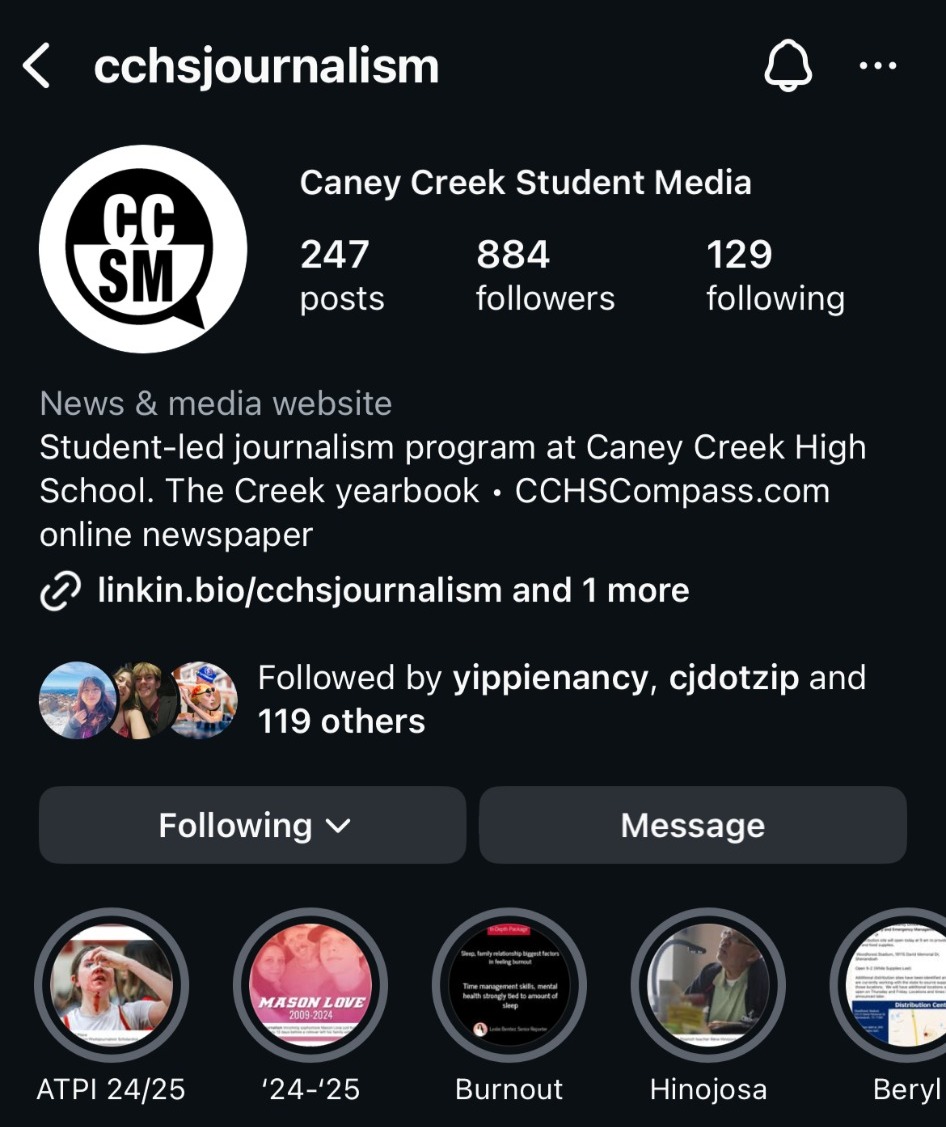
This made social media a high priority publication, comparable to our website. We strive to publish daily and as needed, which led to more engagement than ever.
Instagram: @cchsjournalism
Website: cchscompass.com
Publications all do the same job dressed in different clothes. I advocate the use of social media to promote online news to serve the immediate questions readers have, online news for later that day, and, as we can, in print for later on — all designed to meet the readers where they are.
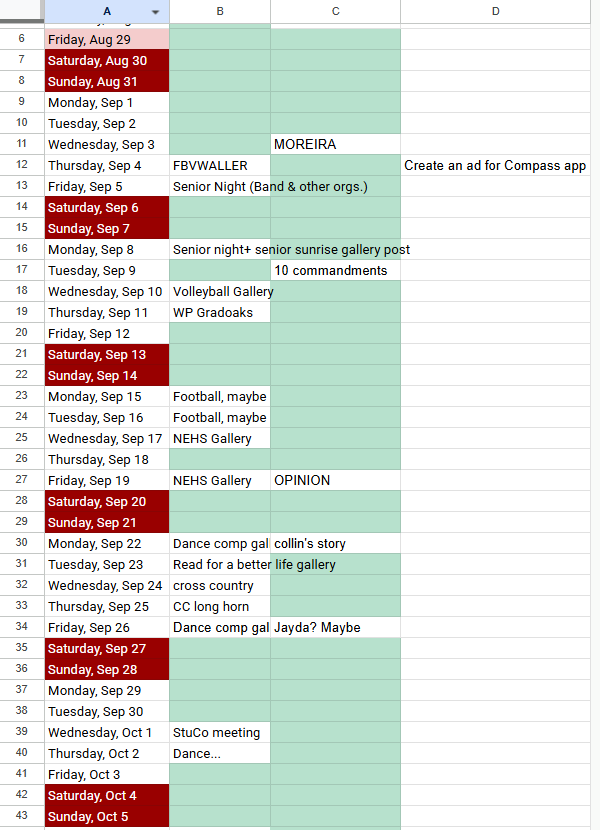
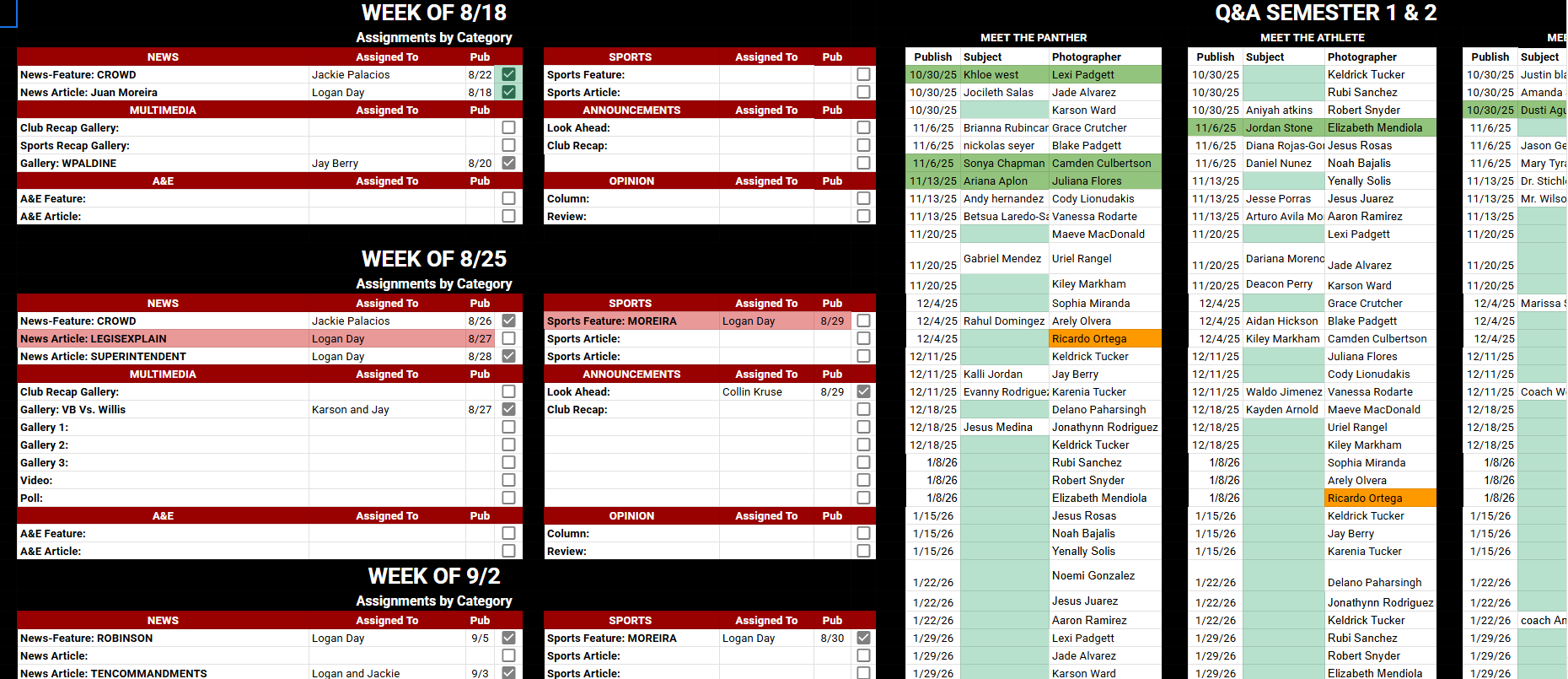
This year, I partnered with the social media editor and designed reusable templates to convert online news to social media. I also created back-end spread sheets for the web editor-in-chief to track publications for online news and schedule social media catered versions. Linking web and social media is just a game of adapting story format.

Treating social media as a proper publication meant reshaping the way we would organize a reporting workflow. My goal was to minimize the time needed to run both social and web, and focus on quick turn-around posts.
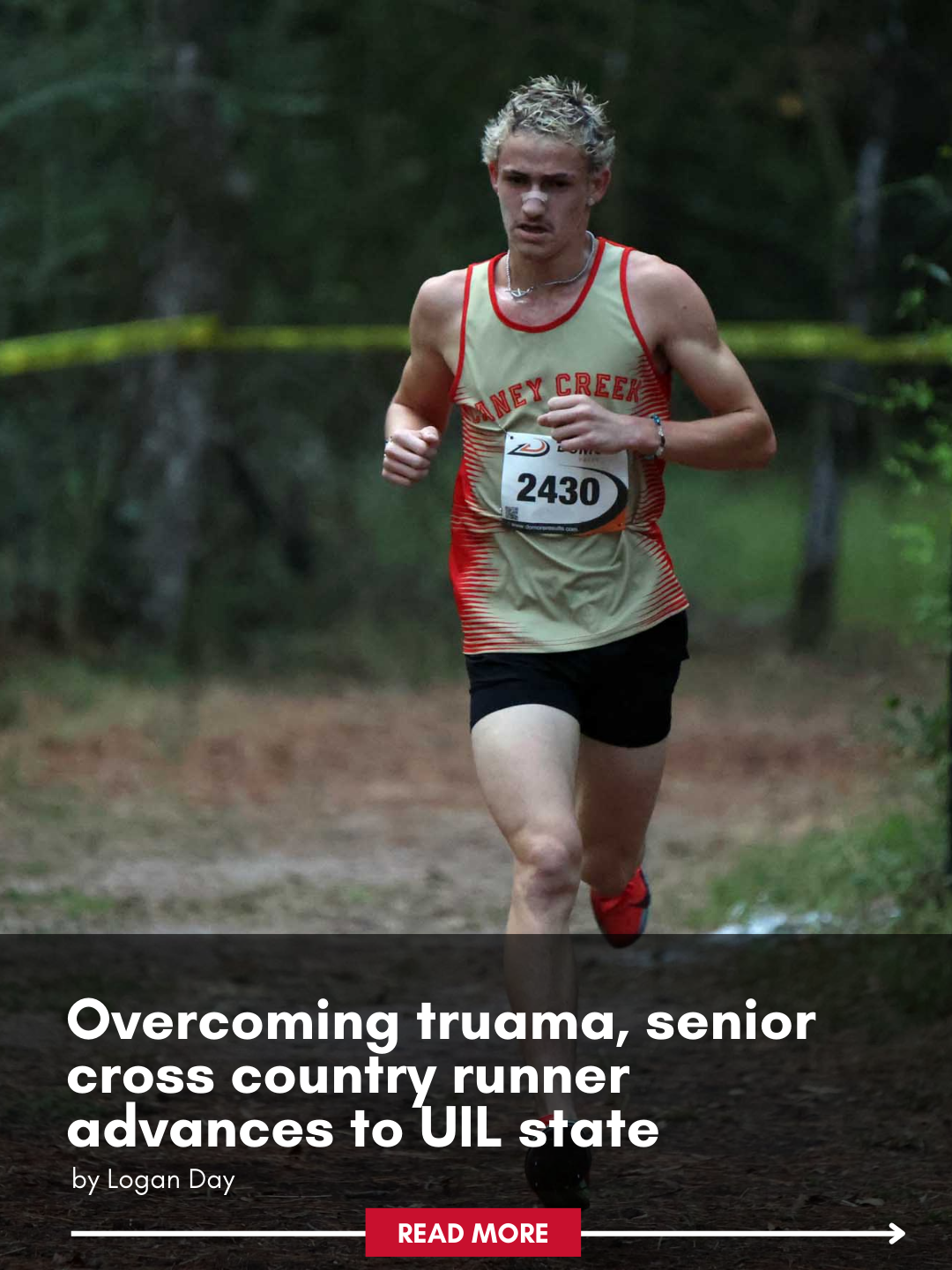
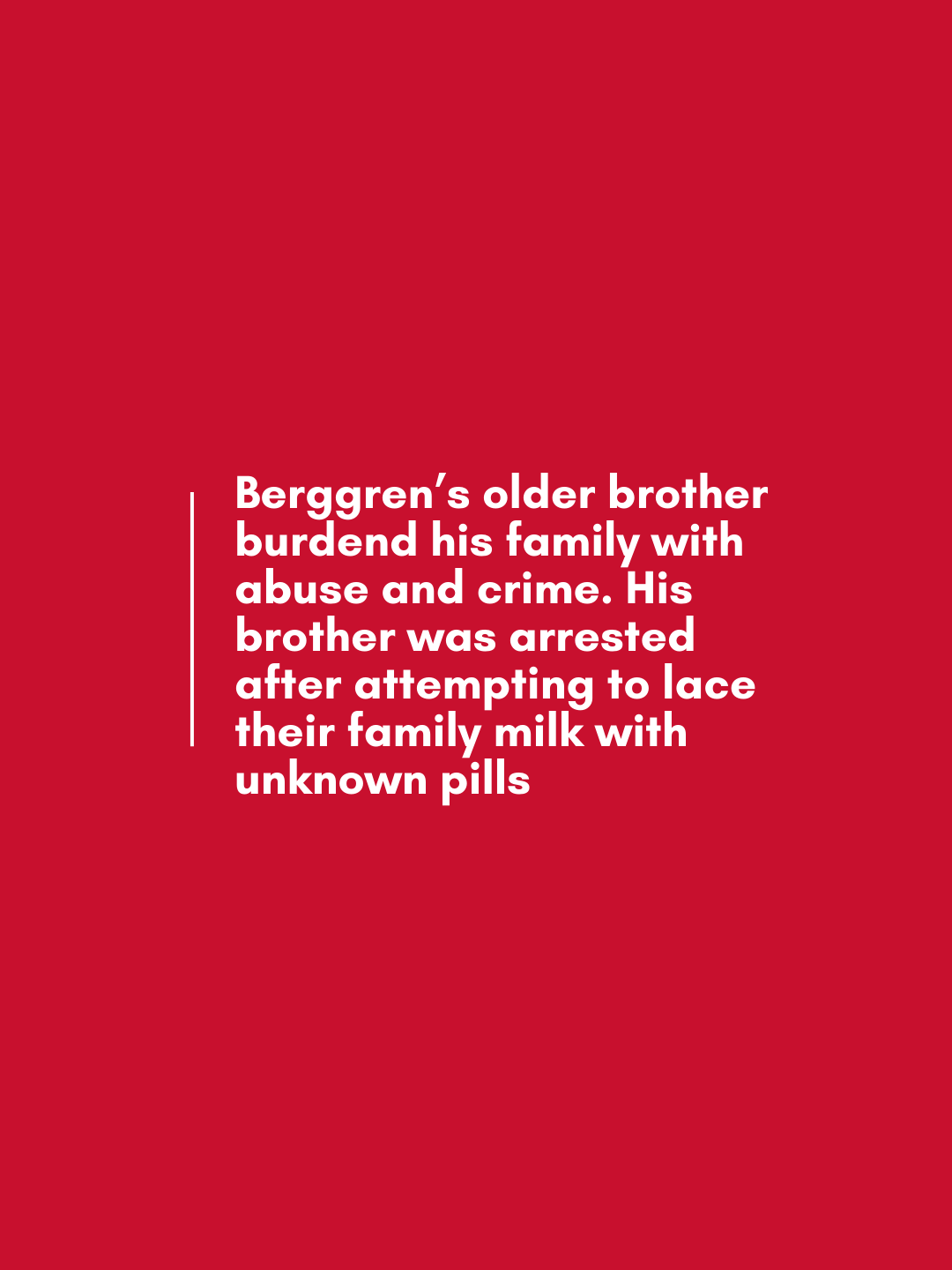
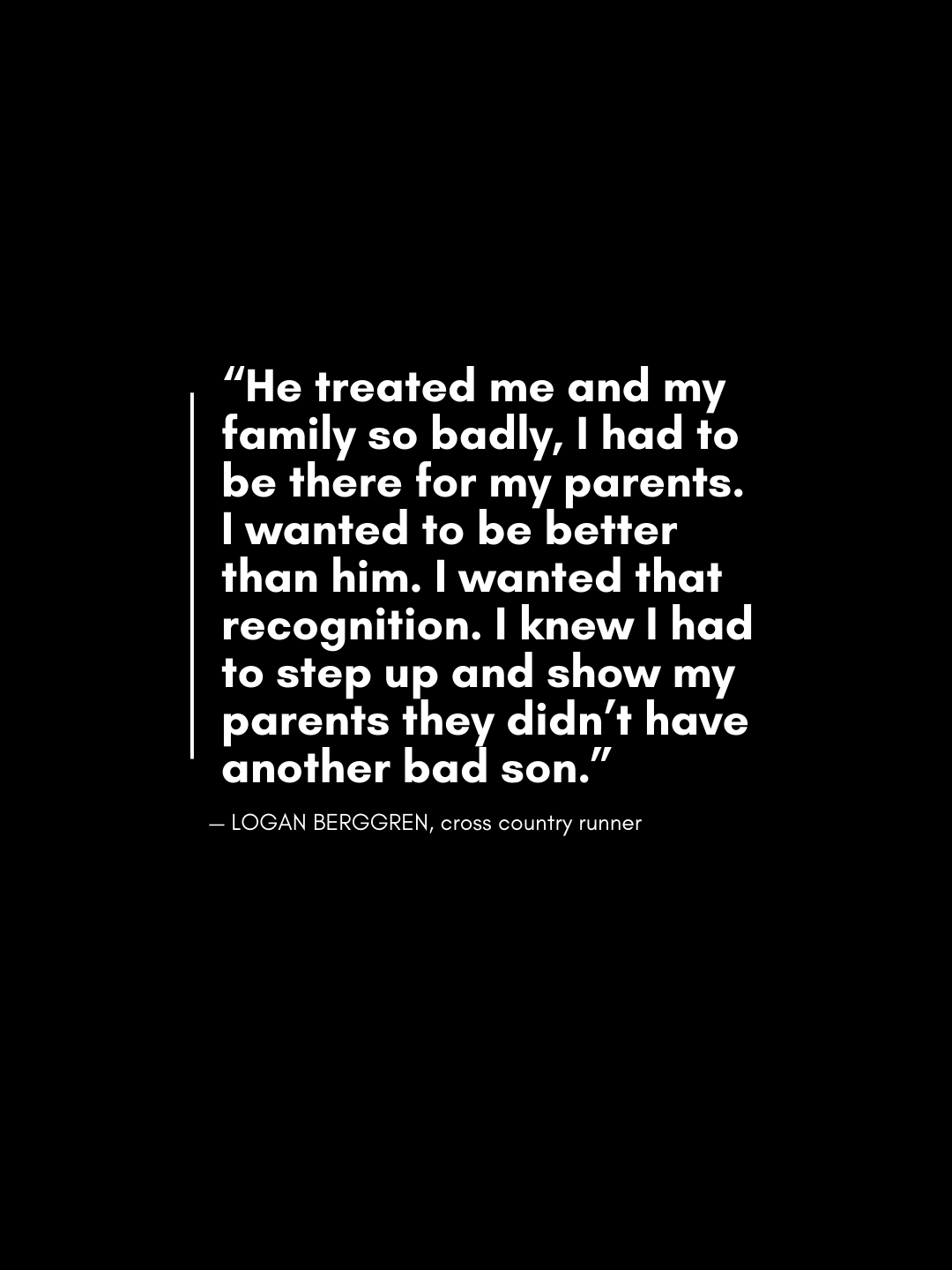
I crafted reusable templates that captures the essence of the original gallery or article. The posts were made to be uniform. Consistency creates a sense of identity and organization behind our publication.
Over the course of a couple months and some back-and-forths edits with the social media editor, we agreed on a final, set template our staff will be able to use even after we graduate.
To see designing process for these posts, visit the Design Page.
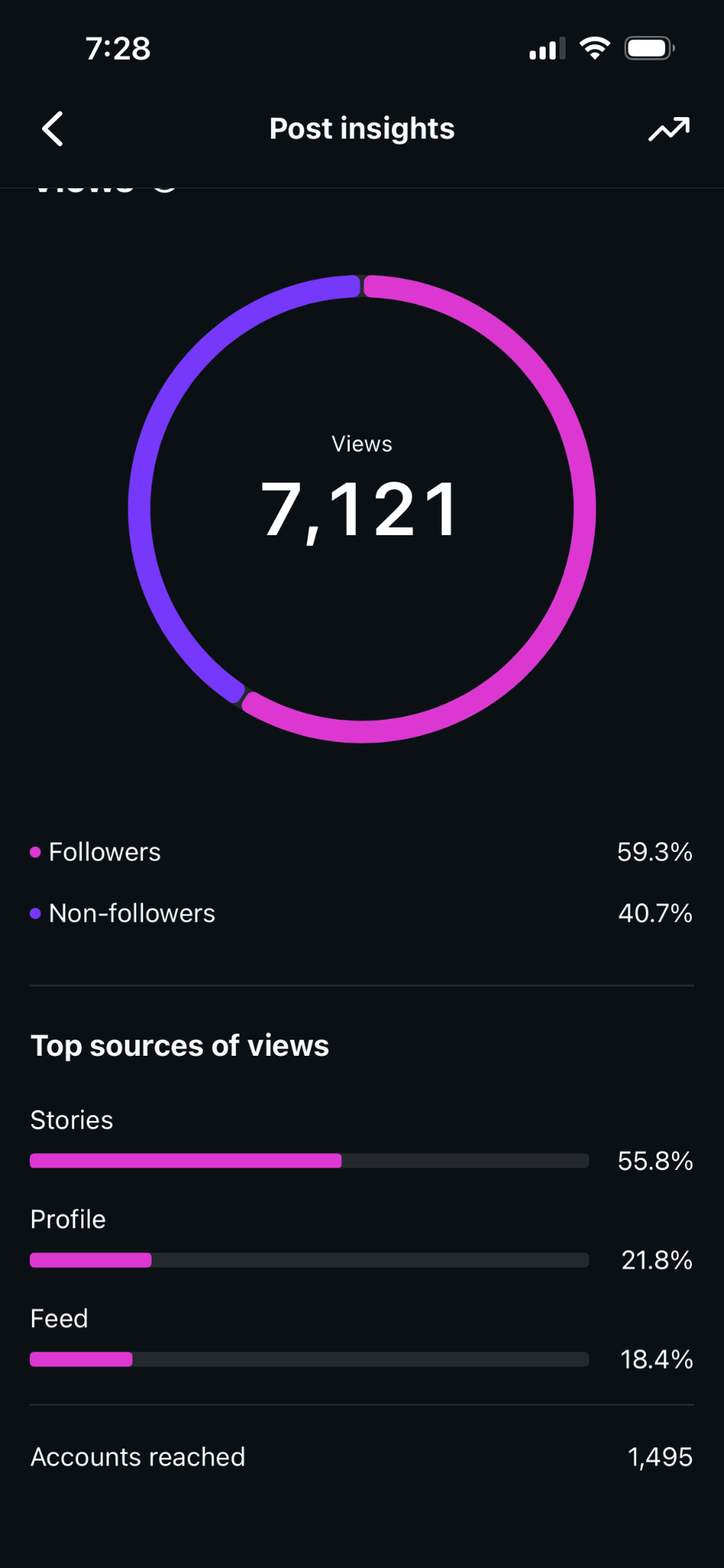
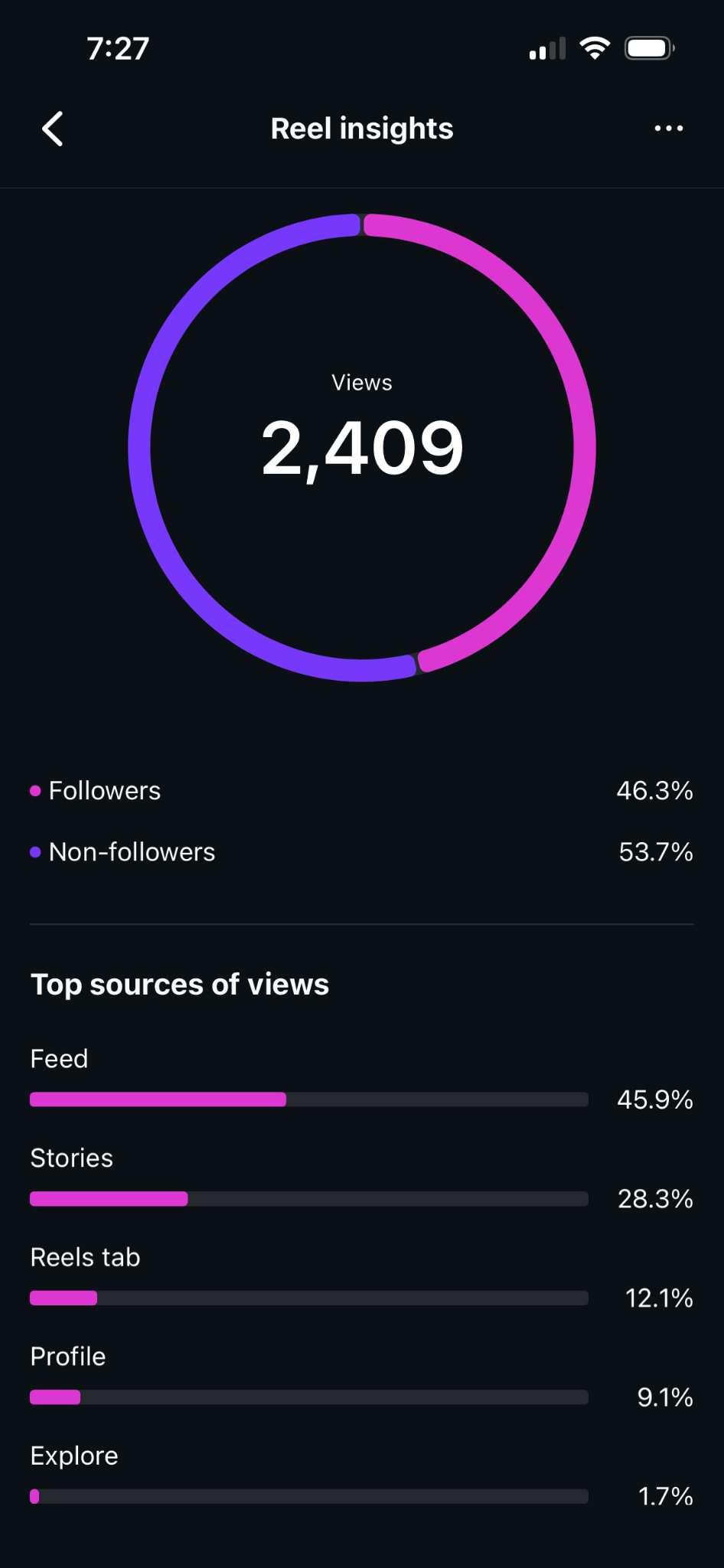
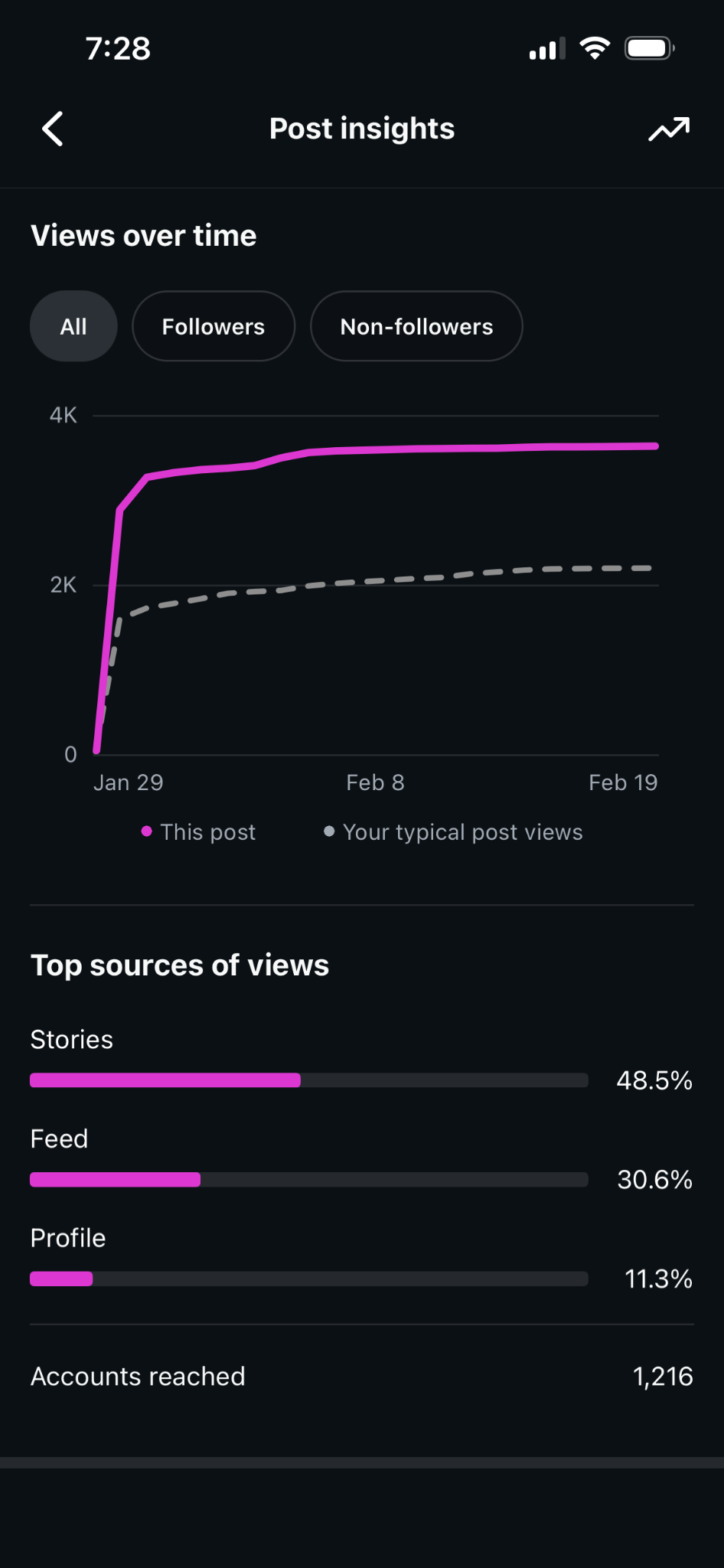
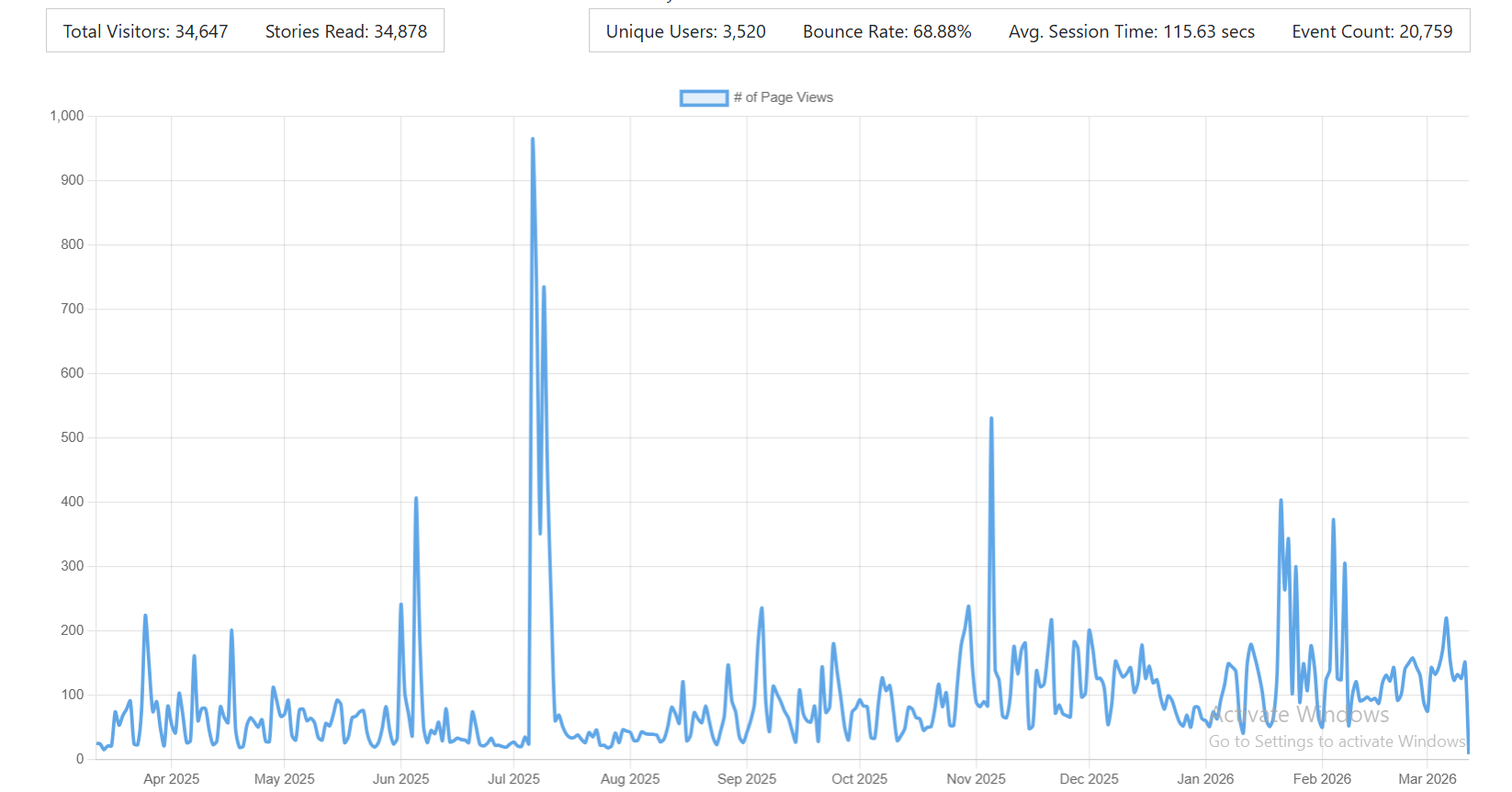
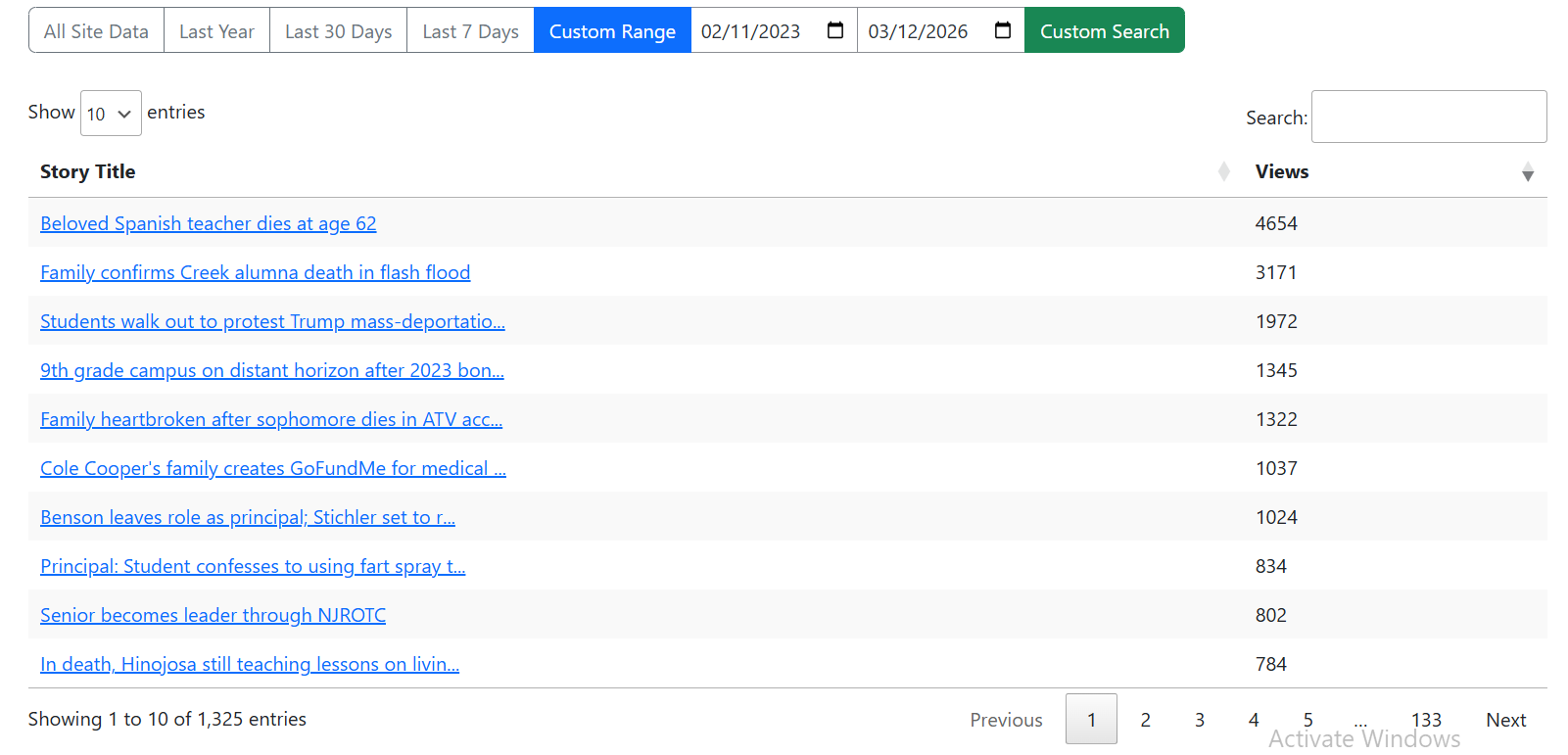
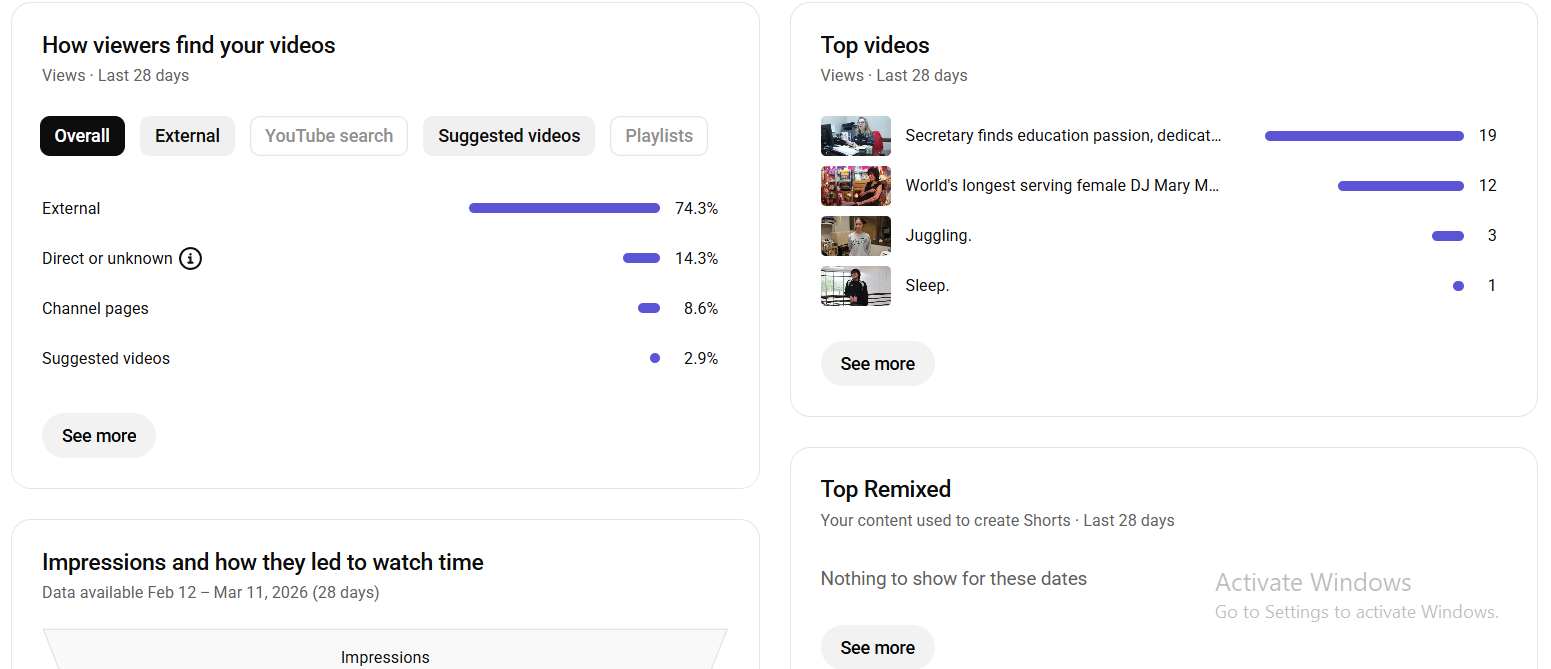
Using social media and online news makes tracking engagement easier than ever. I take advantage of this to follow what our audience most engages with.
Most engaged posts online was around breaking-news coverage, many of which sourced from social media. The most engaged social media posts tended to be videography in any form, which partially inspired my dive into broadcast.
Taking these analytics in account, I shaped our publication strategy to match what our audiences care about. Journalism requires adapting even on the audience level.