Personal Narrative

Bench rider.

I sat the side lines of the world for most of my life. Watching other kids on the playground, waiting for them to leave; watching Mom take handfuls of her prescription opioids; watching Dad grieve alone.

For me, “Life was just lived.”

A good journalist would rewrite this sentence in active voice, a better would know it is true. I really did let the world happen to me.

But journalism would rewrite my life.

Sure, the bench is safer than the field.

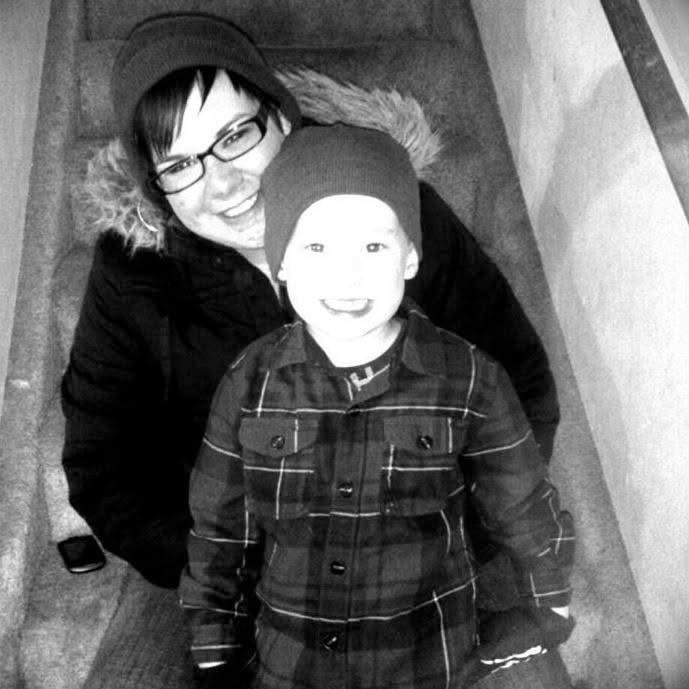
As a 4 year old, I could only follow Mom. She’d strap me in my seatbelt and drive me to her affair-boyfriend’s house where she’d snort crushed OxyContin. I was blissfully ignorant.

When addiction killed Mom in 2012, it killed my home stability. Loss of income paired with expensive medical fees from Mom forced Dad to move us out, under a new roof; any roof. Mostly, he found shelter through girlfriends.

Each breakup meant another home to replace it. My world shifted constantly, but between new families one thing remained:Colorado's KRDO channel 13. My uncle worked behind-the-scenes with a small army of people like me – watchdogs – uniting to share the voice of others. I resonated with them.

A day always comes where back up players are tossed into the action.

In 2022, Dad met a Texas woman, packed us up and herded me into a three bedroom house with a new family of 10. I rolled into the Lone Star state with nothing but a bad haircut and hand-me-down clothes from my previous family. Even hundreds of miles away from KRDO, journalism still remained – only this time in camera form.

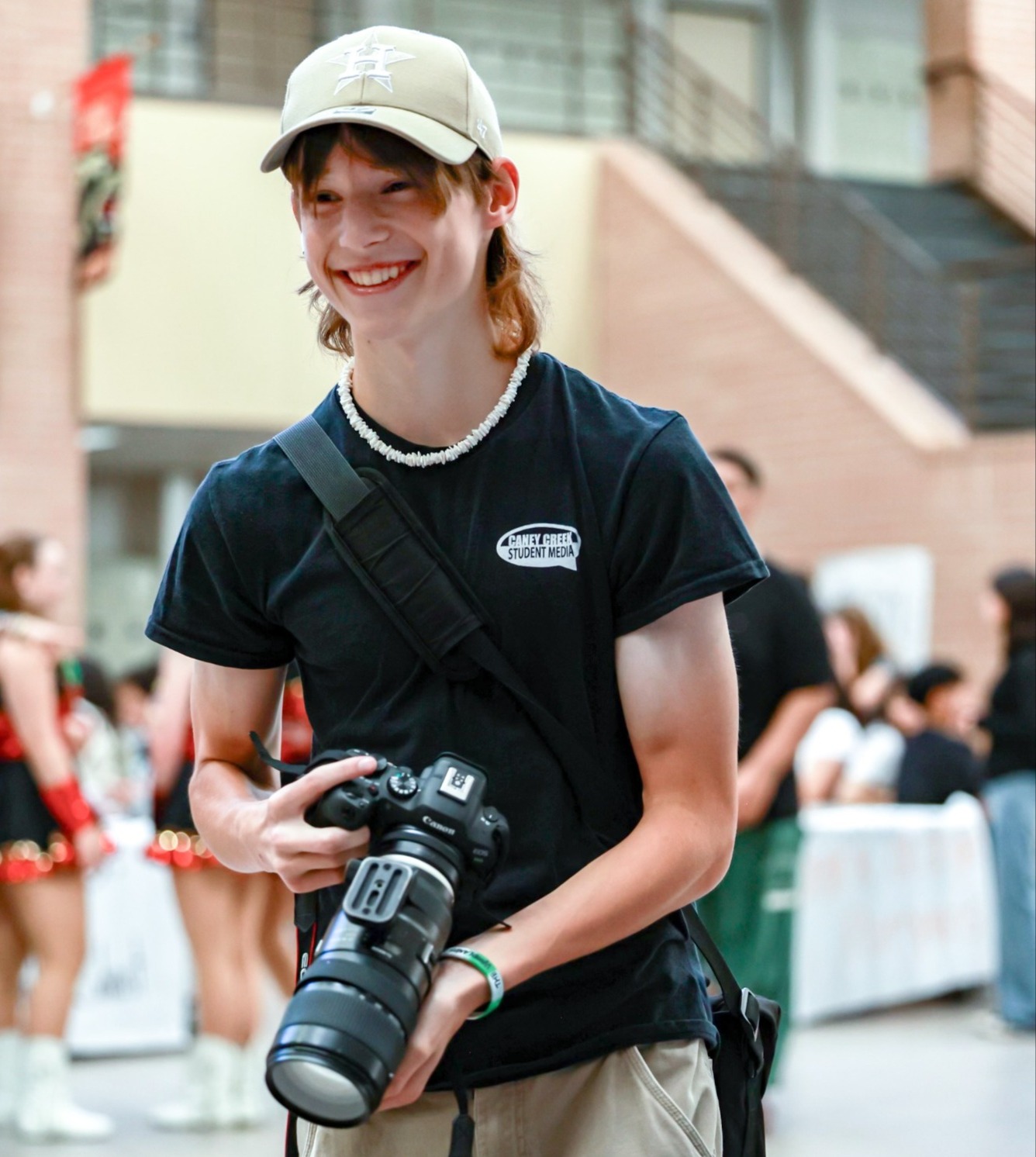
Geared with a school-provided Canon Rebel T7 I could barely understand, I stuck to my roots: viewing life around me. The camera was my shield as I stepped outside comfort.

That T7 turned my watching into documenting.

In those breaths of opportunity, back ups can either seize their chance or return to the safety of their side line.

The next year, Student Media offered a spot to me based on my work in the introductory photography class. I applied for the sports editor position.

I filled the application in room 3415; the newsroom. I was the only one in there, apart from the monotone, deep-voiced giant of a person – known as the journalism advisor, Stephen Green – silently sitting at his desk across from me. Small talk didn’t exist. I awkwardly turned in the paper and hustled my way out of that situation.

By the second month of school, room 3415 became my new room home. The staff editors showed me what it was like to run a team, encourage growth and be a reporter.

Those editors convinced me to join the UIL journalism writing team. One thing sticks with me from those early contests today: journalistic writing is always active voice.

So I rewrote my life to be a journalist’s.

I lived life – active voice. I seized my opportunity.

Identifying active vs. passive voice is the bare minimum. I still lost every single competition I entered that year. I watched my friends walk out with medals around their necks as I walked out a failure.

Determined, I fully embraced the writing side of journalism.

My turning point came that summer in a beginning feature writing class at the Gloria Shields national journalism workshop.

The teacher — Lori Oglesbee, renowned scholastic journalism guru — taught me writing could be more than a chase for UIL medals (a hard truth for my sports-oriented brain). Stories are shaping meaning from letters, punctuation, and raw feelings and facts – the kind that people really feel.

When I understood the power behind words, awards piled in.

Trophies only hold the value you give them, my real victories came from the voices I shared.

Journalists all have that “moment you knew.” Mine came in when freshman Mason Love died in an ATV roll-over, over Summer 2024. I was the only reporter willing to contact his family.

Tears streamed down his mother, Nicole Love’s, face as I sat, notebook and pen in hand, listening to her unravel. A grieving mother of a dead child holds a unique, incomparable grief only ever temporarily drowned out.

Under that heart-aching interview, I discovered what journalism truly is made of: honest human connection.

Stories like his – guttural, emotional, powerful stories – are journalist’s duty to share. It takes more than words on a page, a real story comes from raw feelings and facts.

But to ever reach those stories relies on a genuine trust between interviewer and interviewee; between Nicole and I.

Peers have perceived my reporting as heartless and clinical, but the truth is, journalism takes real connection, and we feel everything – I had to.
When I listened to Nicole cry, I felt it. When I interviewed Mason’s friends, I felt it. When I saw Mason’s memorial plastered online, I felt it.

Those moments of unique vulnerability shared between two strangers, uniting to communicate a message are what I live for. Interviews like those are what make a real story.

Nicole proved this in a text she sent me after I published Mason’s story.

“We are very honored and to know your story of his life can impact others means the world to us,” Nicole wrote.

Mason died, but his story lives on. That’s my kind of journalism.

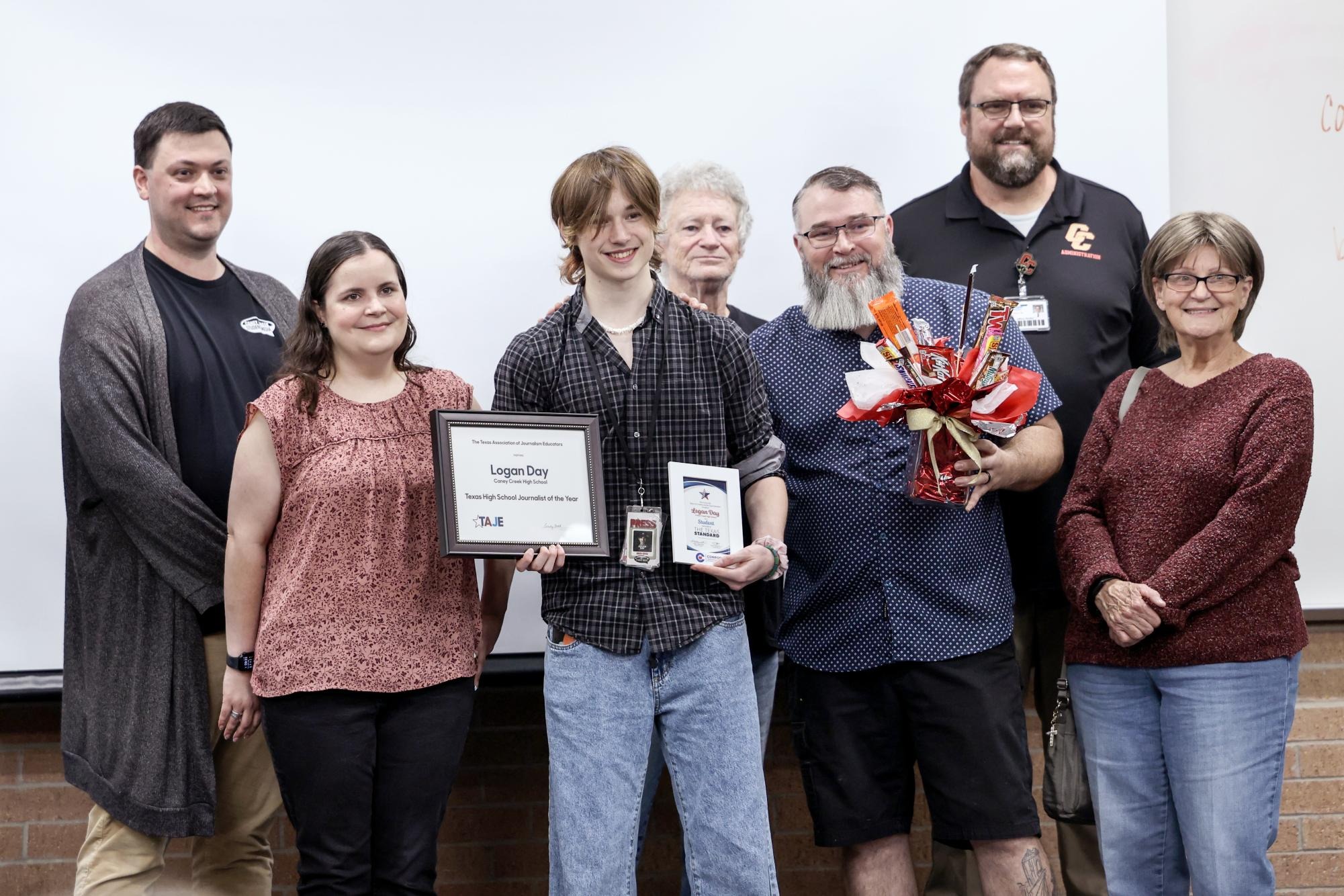
I’m not a bench rider anymore, I am a journalist. The reporting world rewrote my life in an active voice – now it’s my job to write for the world instead.

Words have power. Information has power. The story has power.

Whether audio, video, online or paper.

That’s my duty, my future, my calling.